June 7, 2024
4 mins read

Modi 3.0 and India’s positioning in the world

Ahead of Modi 3.0 assuming charge, various speculations are heating up the debate pertaining to India’s role in World politics, writes Rahul Tiwari

When Exit Polls for 2024 Lok Sabha elections were released, many expressed disagreements over the calculations made by Indian media houses. The NDA joyfully lauded the exit polls while the Congress did a flip-flop on TV debates, exhibiting its lack of confidence in the INDIA bloc. 

The fear of losing elections even saw inciteful statements from leaders like Akhilesh Yadav, who said ‘Karo ya Maro’ regarding the Lok Sabha Election results during a press briefing.

However, all that ceased to end on Tuesday when the NDA finally defeated the INDIA bloc and is now ready to form next government.
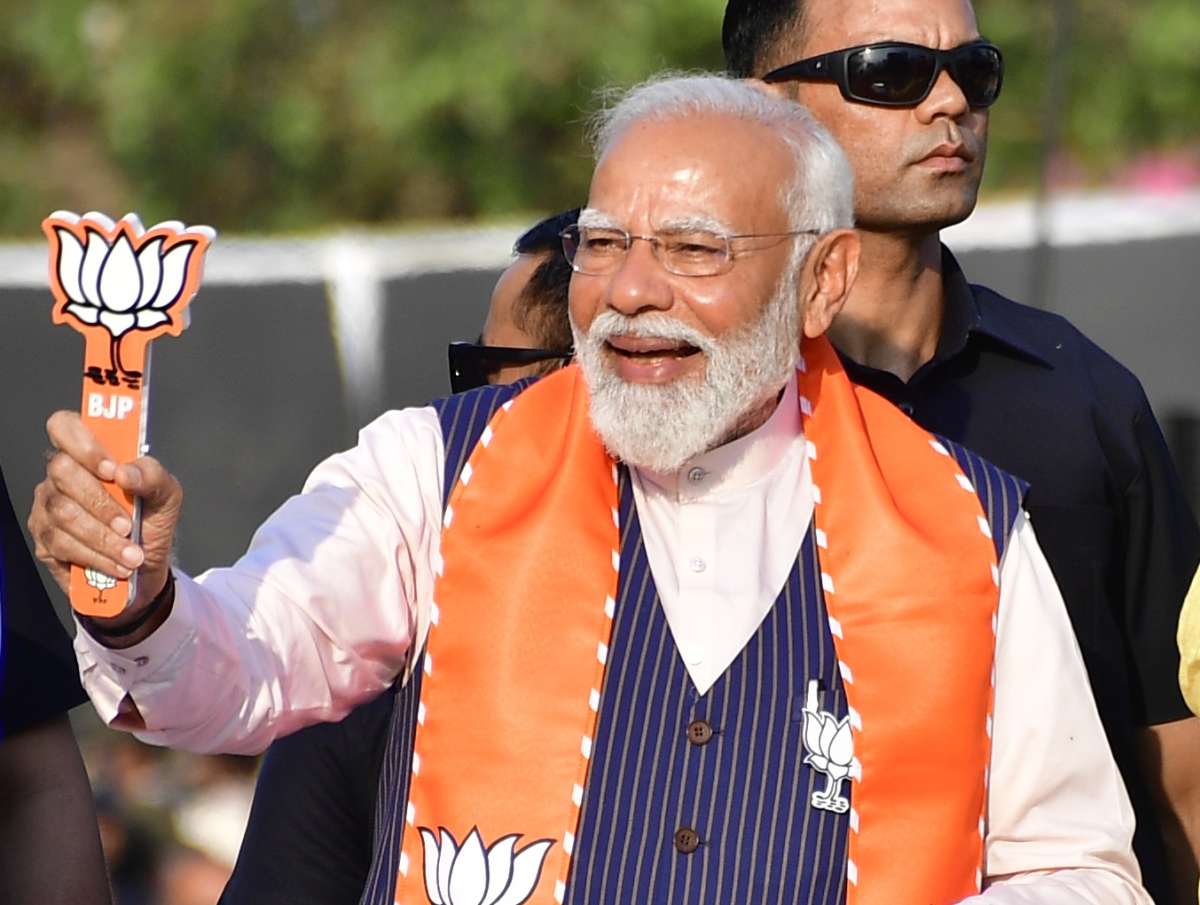
The slogan of ‘400 par’ is gone as NDA has ended up close to 300. Several factors like low turn-out, Muslim consolidation, in-fights, selection of candidates, etc seem to have thwarted BJP’s dream of ‘400 paar’. Also, many reports highlighted about the ‘intervention of foreign powers’ in the Lok Sabha elections.

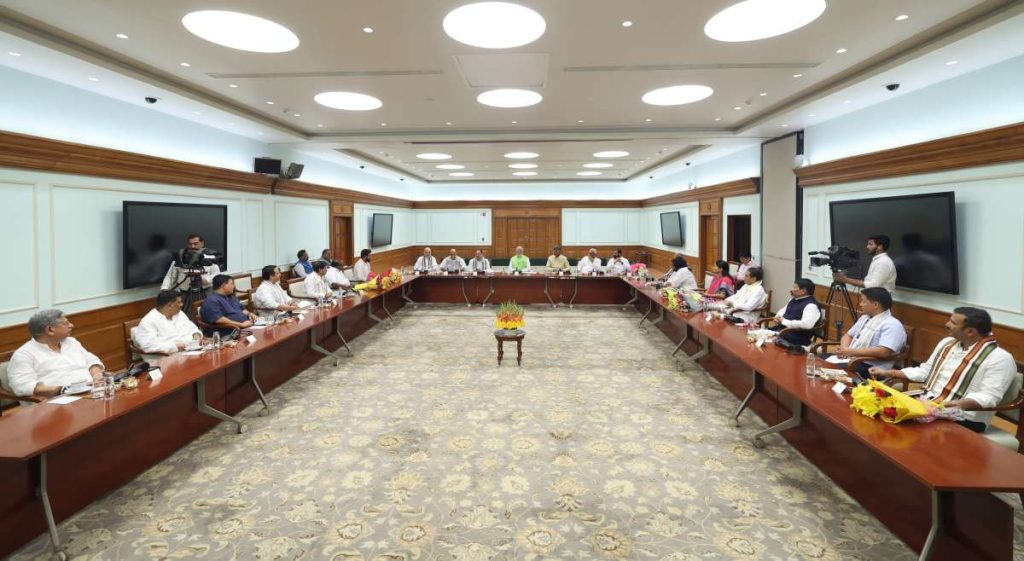
Nonetheless, ahead of Modi 3.0 assuming charge, various speculations are heating up the debate pertaining to India’s role in World politics.
* Two Major Conflicts: The Russia-Ukraine War and the Israel-Hamas War

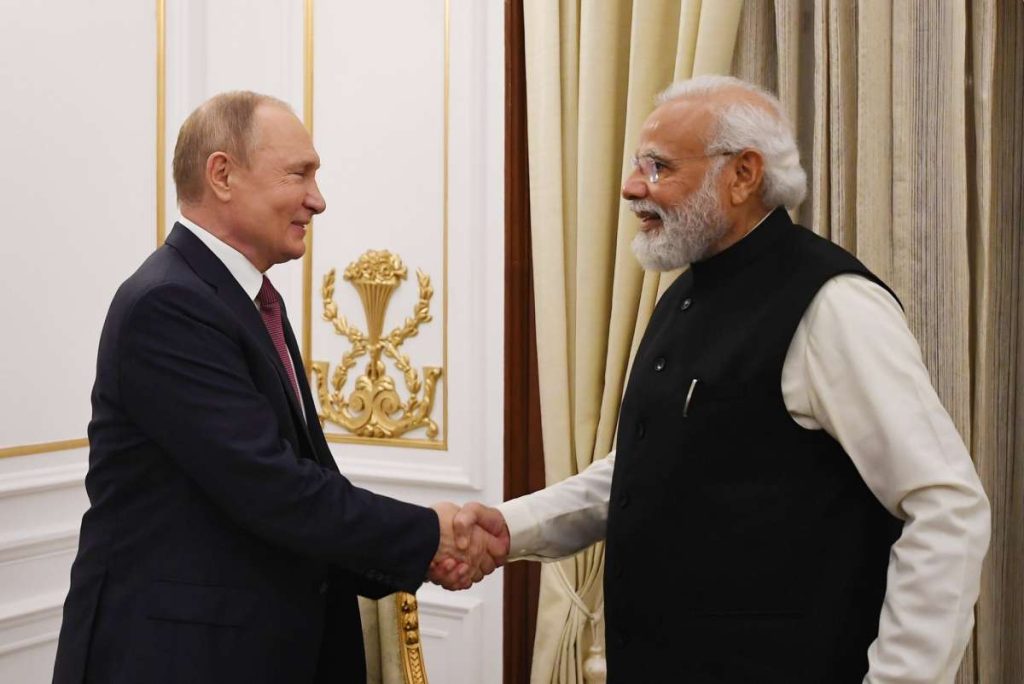
As the two major ongoing conflicts, that is, the Russia-Ukraine War and the Israel-Hamas War, are taking place, India’s stand and its role are being looked at. It has been quite evident that India maintained a balancing attitude simultaneously in dealing with Russia and the United States by not voting against it neither in the UNSC nor in the UNGA. Rather, it increased the Oil purchase from Russia, evading all sorts of pressure from the West by putting emphasis on its energy demands, which can also be reflected in the statement made by India’s External Affairs Minister S. Jaishankar. Modi government has reaffirmed, meanwhile, that it supports a ceasefire and the dispersal of hostilities between the two countries.

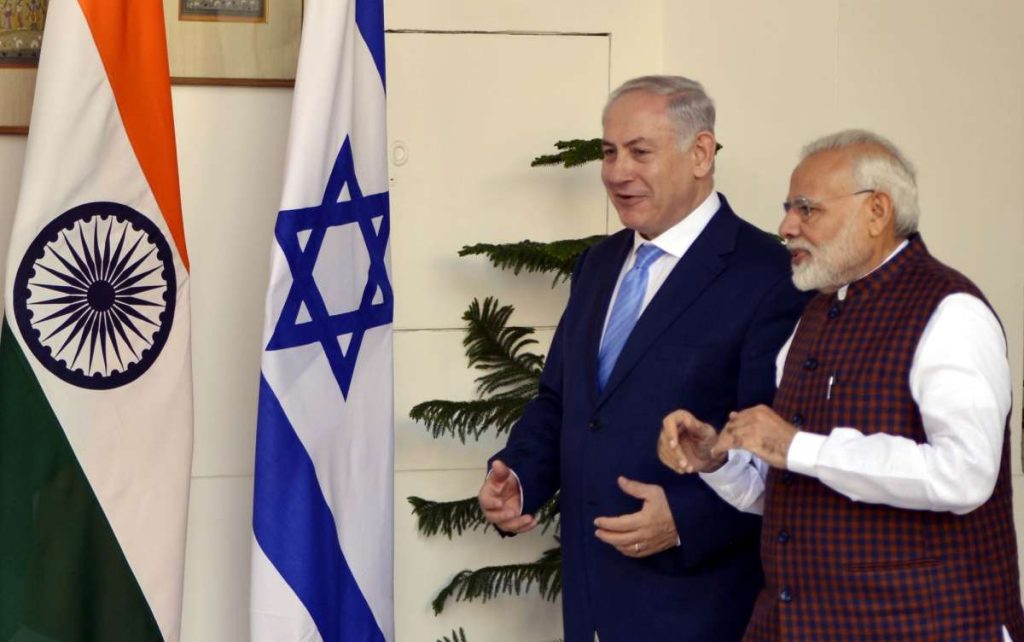
The Israel-Hamas conflict that started on Oct 7, 2023, after the unprovoked attack by Hamas Militia, also frowned the eyes of world leaders and various stakeholders as to what stand India would take. India criticized the attack launched by Hamas, but at the same, it pitched for a ceasefire and peace concerning the conflict between the two.
* India’s positioning in the Global South and the United Nations

The consecutive third term of the Narendra Modi government would not only strengthen India’s positioning in the Global South but also cater to India’s interest in the World forums like the United Nations. India has long been demanding a permanent seat at the United Nations Security Council, which was also mentioned in BJP’s manifesto. “We are committed to seeking permanent membership in the UN Security Council to elevate Bharat’s position in global decision-making,” the manifesto read. Had the government not repeated this, the stand might have been different, which is not the case.

India’s initiative, the International Solar Alliance, exhibits the sustainable worldview that the Narendra Modi government has maintained on the world forums. Indian Prime Minister Narendra Modi originally suggested this idea in a speech at Wembley Stadium (London) in November 2015, when he referred to sunshine countries as Suryaputra (“Sons of the Sun”).

Subsequently, the CCP-led China, which is becoming a challenge to democratic governments, and the Global South would also be contained by India’s rising power under the NDA government. The NDA government is expected to focus more on Multilateral Alliances like QUAD to challenge the CCP’s expansionism. Moreover, being a rising power in the Global South, India’s no-tolerance stand on terrorism will certainly show the path to the world as to how to deal with the menace and emerge as the leader of the undisputed Global South.

* India’s Digital Infrastructure: A role model for the world

The ambitious plan of the Narendra Modi government created a world-class digital infrastructure in India that certainly paved the way for the world to reduce dependency on cash and other sorts of bureaucratic hurdles. Several heads of various countries were found using digital payments in India at the local vendors. Moreover, during the COVID-19 pandemic, when the world was struggling with social distancing, India’s digital infrastructure proved to be the best in the world, which shifted its operations from paper to paperless. Such an infrastructure was applauded earlier by global institutions and world leaders, which provides confidence in the government for more such initiatives.

In the longer run, the Narendra Modi government is expected to perform better both domestically and internationally. The world is becoming one entity due to interdependence and interconnectedness in this era of globalization and digitalization. This entity can also be termed as a family, which Prime Minister Narendra Modi has recognized by saying, ‘Vasudhaiva Kutumbkam’ at several global forums. That is why, any activity of one country affects all, as what we have seen in the two major conflicts. In a similar way, the world community at large, as well as India’s neighbours, would be impacted by Narendra Modi’s leadership.

(The writer is the author of a book titled – The Puritan Movement: US Universities and their anti-Bharat Approach. Views are personal)
ALSO READ: Modi, EU President Discuss FTA, G7 Summit Plans

Previous Story

Rahul alleges stock market scam, seeks JPC probe

Next Story

65.79% turnout recorded in 2024 Lok Sabha elections

Previous Story

Rahul alleges stock market scam, seeks JPC probe

Next Story

65.79% turnout recorded in 2024 Lok Sabha elections

Latest from -Top News

Pakistan Risks Overstretching Itself in Yemen War

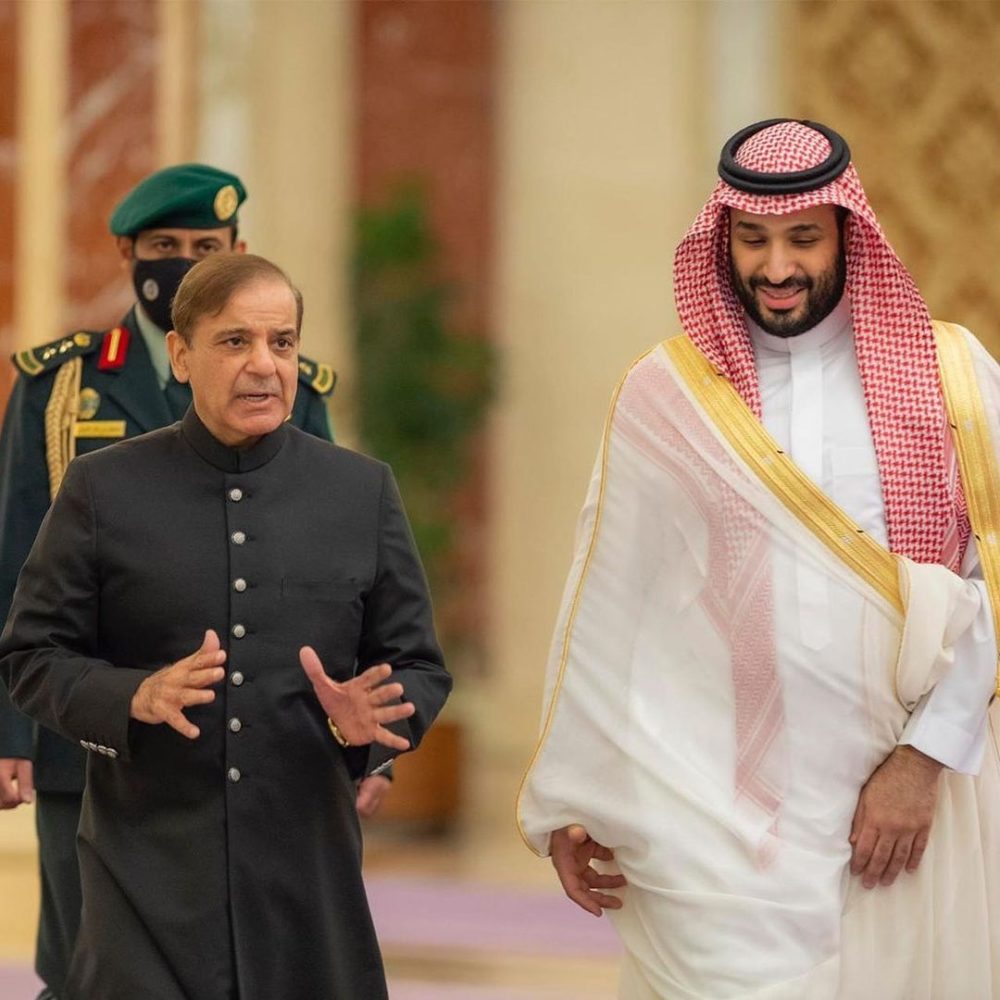
Pakistan’s expanding military role in Saudi Arabia amid the Yemen conflict could strain its defence resources and fragile finances…reports Asian Lite News Desk Pakistan’s military involvement in the war in Yemen may prove unsustainable because of mounting financial pressures and competing security demands, according to a new report. Islamabad’s growing military presence in Saudi Arabia risks stretching its defence resources while exposing the country to greater strategic and economic challenges. An article by Andrew Wilson in One World Outlook describes Pakistan’s involvement as a case of “fiscal and strategic overreach”, arguing that the country lacks the financial flexibility to sustain an expanded military commitment. Pakistan’s external finances depend heavily on an International Monetary Fund (IMF) programme, financial support from Gulf countries and remittances from Pakistani workers in the region. The report argues that deeper military involvement in the conflict could place additional pressure on these sources of financial stability. It also warns that deploying troops and military equipment abroad could weaken Pakistan’s capacity to address security challenges along its eastern border and deal with two domestic insurgencies. The move could also draw Islamabad into a conflict it has sought to approach cautiously. A Reuters report in May, citing Pakistani security and government sources, said Islamabad had deployed around 8,000 troops, a squadron of approximately 16 aircraft, mostly JF-17 fighter jets, two drone squadrons and a Chinese HQ-9 air-defence battery to Saudi Arabia. According to those sources, Riyadh was financing the deployment, with Pakistani personnel operating the equipment. The sources also said a confidential agreement contemplated the possibility of deploying up to 80,000 troops. Islamabad has not confirmed those figures, although it has acknowledged its military presence in Saudi Arabia, including the deployment of fighter jets at King Abdulaziz Air Base from April. The One World Outlook article argues that Saudi financial support can cover allowances and operating expenses but cannot easily replace military equipment needed elsewhere or resolve the political and strategic challenges of participating in the Yemen conflict. Pakistan’s defence budget is another concern. For the 2026-27 financial year, the federal government allocated PKR 3 trillion, or approximately $10.8 billion, to defence services. The allocation represents an 18 per cent increase from the original PKR 2.55 trillion provision and amounts to around 2.1 per cent of projected gross domestic product (GDP). Defence spending accounts for approximately 16 per cent of the federal government’s PKR 18.8 trillion expenditure. Military pensions are budgeted separately at PKR 822 billion, while debt servicing costs stand at approximately PKR 8 trillion, more than two-and-a-half times the defence allocation. The report argues that these competing financial obligations leave little room for additional military expenditure without placing further pressure on public finances. Pakistan’s reliance on IMF assistance also limits its fiscal flexibility. The country must meet the conditions attached to the programme, including a primary budget surplus target of 2 per cent of GDP and continued restraint on development spending. According to the article, these requirements make it difficult for Islamabad to finance an additional military commitment without compromising other budgetary priorities. Pakistan’s economic indicators offer limited reassurance. Economic growth for the 2025-26 financial year is estimated at between 3.6 and 3.7 per cent, while inflation reached approximately 10.3 per cent in September following an energy price shock. Foreign exchange reserves stood at around $21.5 billion at the end of September. Although this marks an improvement from the low levels recorded in 2023, the report notes that the reserves cover only a few months of imports. Financial assistance from Gulf partners remains central to Pakistan’s external stability. The article says Islamabad holds approximately $8 billion in Saudi deposits at its central bank. In July, the State Bank of Pakistan said Riyadh had extended the maturity of $5 billion in deposits to December 2028, easing the country’s immediate external financing requirements. A further $3 billion deposit was also extended in the spring. However, the article argues that these arrangements provide temporary relief rather than long-term financial independence, particularly as regional conflict threatens the stability of the Gulf economies on which Pakistan relies. The report concludes that Pakistan faces a difficult balance between supporting Saudi Arabia militarily and preserving the financial and military resources needed to address its domestic and regional challenges.

UK and Germany Ratify Kensington Treaty

Britain and Germany ratify the Kensington Treaty, agreeing new cooperation on AI, quantum research, defence and security while targeting investment, jobs and Russian hybrid threats…reports Asian Lite News Desk Britain and Germany

Economic tide is turning in Bangladesh

If there is one thing that can bring some comfort to the struggling Bangladeshi economy, it is good relations with India. Bangladesh should remember that Delhi’s backing, through easy supplies of essentials
Go toTop

Don't Miss

Bookies predict BJP victory in Gujarat with 125 seats

There are no bids for the other parties…writes Atul Krishan

India to showcase northeastern states during G20 events

The Indian government is investing heavily on the infrastructure development