June 30, 2024
3 mins read

Pak rights body urges repeal of Punjab Defamation Act

The conversation on amending the Prevention of Electronic Crimes Act 2016 should also be revived. Finally, a law criminalizing enforced disappearances, used frequently to quell dissenting narratives, must be passed…reports Asian Lite News

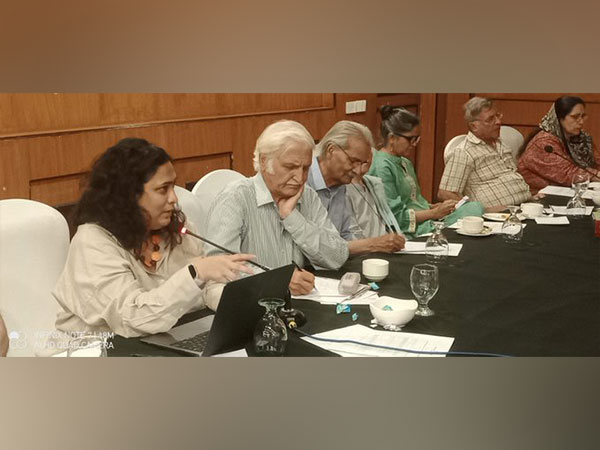
The Human Rights Commission of Pakistan (HRCP) on Friday organized a round table conference in Islamabad, raising their concerns about the Punjab Defamation Act.

The HRCP called upon the administration to repeal the act pushed through a defamation law to curb fake news, however, civil society, and journalists say that it infringes on freedom of press and expression.

HRCP in a statement said that it could build fears of a national firewall and greater censorship – the law’s real purpose is much more nefarious, aims to muzzle free speech and inhibit dissenting voices.

The event witnessed the participation of journalists, digital rights experts and civil society members who drew the state’s attention to receding civic spaces and democracy in the country.

During the event Law and Policy Expert Muhammad Aftab Alam while discussing the key loopholes of the Punjab Defamation Act 2024 pointed out that radical changes need to be made to the definitions of key terms such as ‘broadcasting’, ‘newspaper’ and ‘journalist’.

Moreover, journalist and researcher Adnan Rehmat mentioned that the law exceptionalised political and state elites and legalized discrimination. A member of the HRCP Farhatullah Babar mentioned that the law was yet another step in the militarization of the state and society, and tantamount to overwriting other laws, such as those governing the right to information.

Co-founder of Media Matters for (MMFD) Sadaf Khan pointed out a probable plan of the administration to install a national firewall and said this would broaden the scope of censorship by monitoring Internet traffic. “It was an ill-thought plan that had bred fear and mistrust,” she said. Furthermore, another MMFD member also added that such a move would have a serious economic impact on freelance work and online trading.

According to the HRCP statement academic and journalist Tauseef Ahmed Khan traced the history of censorship in the legacy media and chalked out a plan of action. Pakistan Federal Union of Journalists president Afzal Butt said that civil society must hold social media platforms accountable for blocking content on Kashmir and Gaza.

Former senator Afrasiab Khattak said that the establishment must be held accountable for its continuous overreach in such matters. Senior journalist Sohail Sangi added that the working conditions of media persons and press freedom were closely linked.

Further during the roundtable conference, the participants and experts of the various fields recommended repealing the Punjab Defamation Act at once, adding that ‘digital rights should be recognised in the Constitution’.

The conversation on amending the Prevention of Electronic Crimes Act 2016 should also be revived. Finally, a law criminalizing enforced disappearances, used frequently to quell dissenting narratives, must be passed.

HRCP co-chair Munizae Jahangir felt that journalists, lawyers and activists must unite and consolidate their demands before the Parliament. HRCP Islamabad vice-chair Nasreen Azhar agreed, adding that activists must be more organized in countering online disinformation.

HRCP secretary-general Harris Khalique in the conclusive statement mentioned that ‘A nexus between the political leadership, big business and the state establishment is apparent,’ he added. To combat such repressive tactics, all rights-based movements must come together to develop a charter of demands that can be presented to the Parliament. (ANI)

ALSO READ-Pakistan Revamps Budget to Satisfy IMF

Previous Story

BiE -India’s Leading Clean Skincare Brand

Next Story

Baloch rights group amplifies voice in Geneva

Previous Story

BiE -India’s Leading Clean Skincare Brand

Next Story

Baloch rights group amplifies voice in Geneva

Latest from -Top News

Pakistan Risks Overstretching Itself in Yemen War

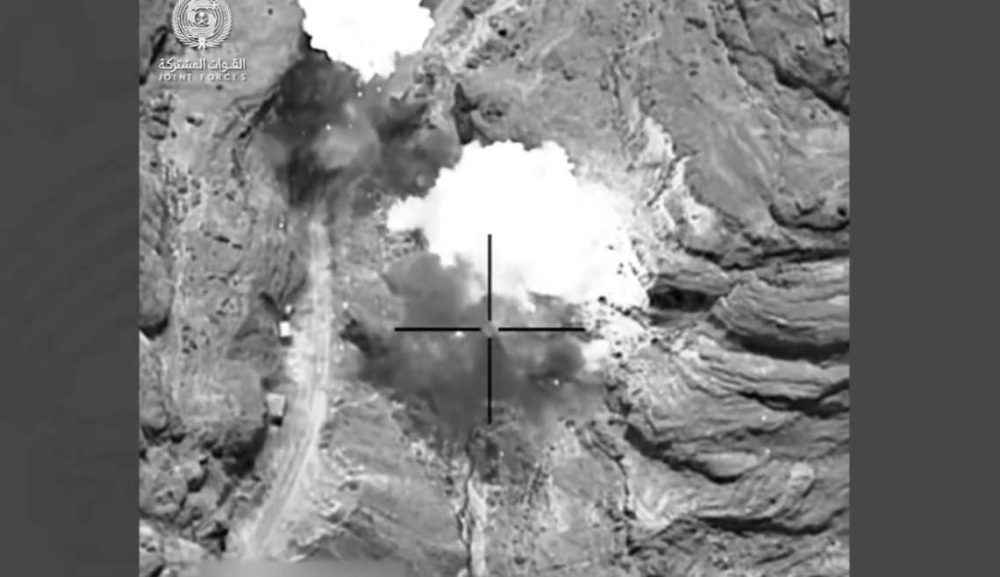
Pakistan’s expanding military role in Saudi Arabia amid the Yemen conflict could strain its defence resources and fragile finances…reports Asian Lite News Desk Pakistan’s military involvement in the war in Yemen may prove unsustainable because of mounting financial pressures and competing security demands, according to a new report. Islamabad’s growing military presence in Saudi Arabia risks stretching its defence resources while exposing the country to greater strategic and economic challenges. An article by Andrew Wilson in One World Outlook describes Pakistan’s involvement as a case of “fiscal and strategic overreach”, arguing that the country lacks the financial flexibility to sustain an expanded military commitment. Pakistan’s external finances depend heavily on an International Monetary Fund (IMF) programme, financial support from Gulf countries and remittances from Pakistani workers in the region. The report argues that deeper military involvement in the conflict could place additional pressure on these sources of financial stability. It also warns that deploying troops and military equipment abroad could weaken Pakistan’s capacity to address security challenges along its eastern border and deal with two domestic insurgencies. The move could also draw Islamabad into a conflict it has sought to approach cautiously. A Reuters report in May, citing Pakistani security and government sources, said Islamabad had deployed around 8,000 troops, a squadron of approximately 16 aircraft, mostly JF-17 fighter jets, two drone squadrons and a Chinese HQ-9 air-defence battery to Saudi Arabia. According to those sources, Riyadh was financing the deployment, with Pakistani personnel operating the equipment. The sources also said a confidential agreement contemplated the possibility of deploying up to 80,000 troops. Islamabad has not confirmed those figures, although it has acknowledged its military presence in Saudi Arabia, including the deployment of fighter jets at King Abdulaziz Air Base from April. The One World Outlook article argues that Saudi financial support can cover allowances and operating expenses but cannot easily replace military equipment needed elsewhere or resolve the political and strategic challenges of participating in the Yemen conflict. Pakistan’s defence budget is another concern. For the 2026-27 financial year, the federal government allocated PKR 3 trillion, or approximately $10.8 billion, to defence services. The allocation represents an 18 per cent increase from the original PKR 2.55 trillion provision and amounts to around 2.1 per cent of projected gross domestic product (GDP). Defence spending accounts for approximately 16 per cent of the federal government’s PKR 18.8 trillion expenditure. Military pensions are budgeted separately at PKR 822 billion, while debt servicing costs stand at approximately PKR 8 trillion, more than two-and-a-half times the defence allocation. The report argues that these competing financial obligations leave little room for additional military expenditure without placing further pressure on public finances. Pakistan’s reliance on IMF assistance also limits its fiscal flexibility. The country must meet the conditions attached to the programme, including a primary budget surplus target of 2 per cent of GDP and continued restraint on development spending. According to the article, these requirements make it difficult for Islamabad to finance an additional military commitment without compromising other budgetary priorities. Pakistan’s economic indicators offer limited reassurance. Economic growth for the 2025-26 financial year is estimated at between 3.6 and 3.7 per cent, while inflation reached approximately 10.3 per cent in September following an energy price shock. Foreign exchange reserves stood at around $21.5 billion at the end of September. Although this marks an improvement from the low levels recorded in 2023, the report notes that the reserves cover only a few months of imports. Financial assistance from Gulf partners remains central to Pakistan’s external stability. The article says Islamabad holds approximately $8 billion in Saudi deposits at its central bank. In July, the State Bank of Pakistan said Riyadh had extended the maturity of $5 billion in deposits to December 2028, easing the country’s immediate external financing requirements. A further $3 billion deposit was also extended in the spring. However, the article argues that these arrangements provide temporary relief rather than long-term financial independence, particularly as regional conflict threatens the stability of the Gulf economies on which Pakistan relies. The report concludes that Pakistan faces a difficult balance between supporting Saudi Arabia militarily and preserving the financial and military resources needed to address its domestic and regional challenges.
Go toTop

Don't Miss

Journalists move Lahore HC against Punjab Defamation Act

Journalists and rights bodies, including those based internationally have expressed