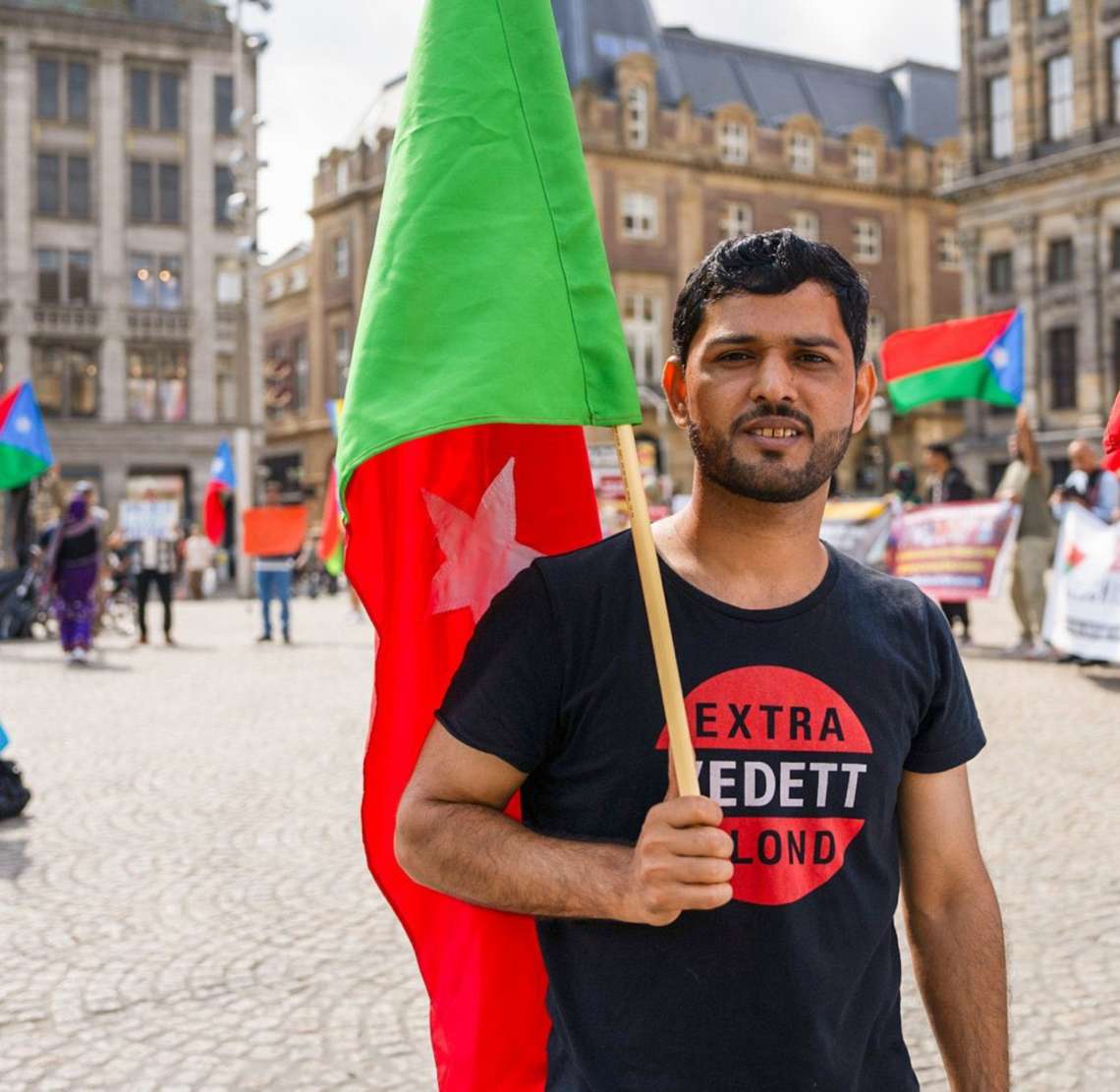
Tatchell referenced the Balochistan Freedom Charter, a proposal first introduced in Geneva by a coalition of Baloch activists…reports Asian Lite News
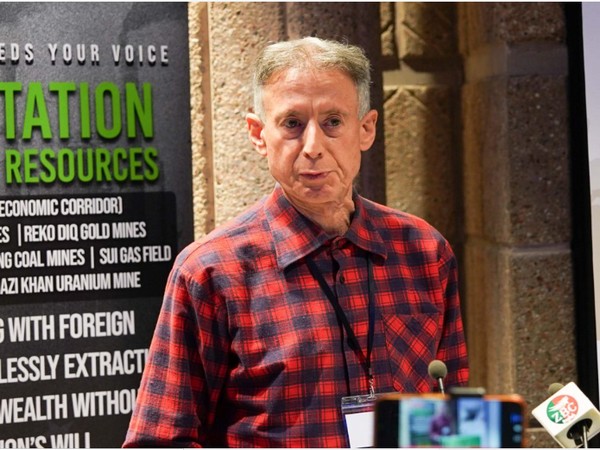
Human rights lawyer Peter Tatchell has raised serious concerns about Pakistan’s atrocities in Balochistan during the fifth Balochistan International Conference (BIC), organised by Baloch National Movement (BNM).
Tatchell, a renowned advocate for human rights, used this opportunity to outline a comprehensive roadmap for Balochistan’s peace and self-determination. While addressing an audience of Baloch leaders, activists, and international observers, he emphasised the urgency of presenting a clear, actionable plan to end the decades-long conflict and occupation by Pakistan.
“In occupied Balochistan, under the Pakistani state and its military, I want to address how we can transition from the current situation to a better future for Balochistan. In other words, how do we move toward not only ending human rights abuses but also achieving self-determination for the Baloch nation?” he stated.
“This is a significant challenge. While we are all aware of the problems, we must focus on the solutions. I speak as a friend and ally of the Baloch people, mindful that the future of Balochistan rests with its citizens and their national movement,” he added.
Tatchell referenced the Balochistan Freedom Charter, a proposal first introduced in Geneva by a coalition of Baloch activists. He explained that the charter provides a roadmap for de-escalating the conflict and securing the national liberation of Balochistan. He highlighted that the international community is more likely to support the Baloch cause when presented with a credible and comprehensive plan.
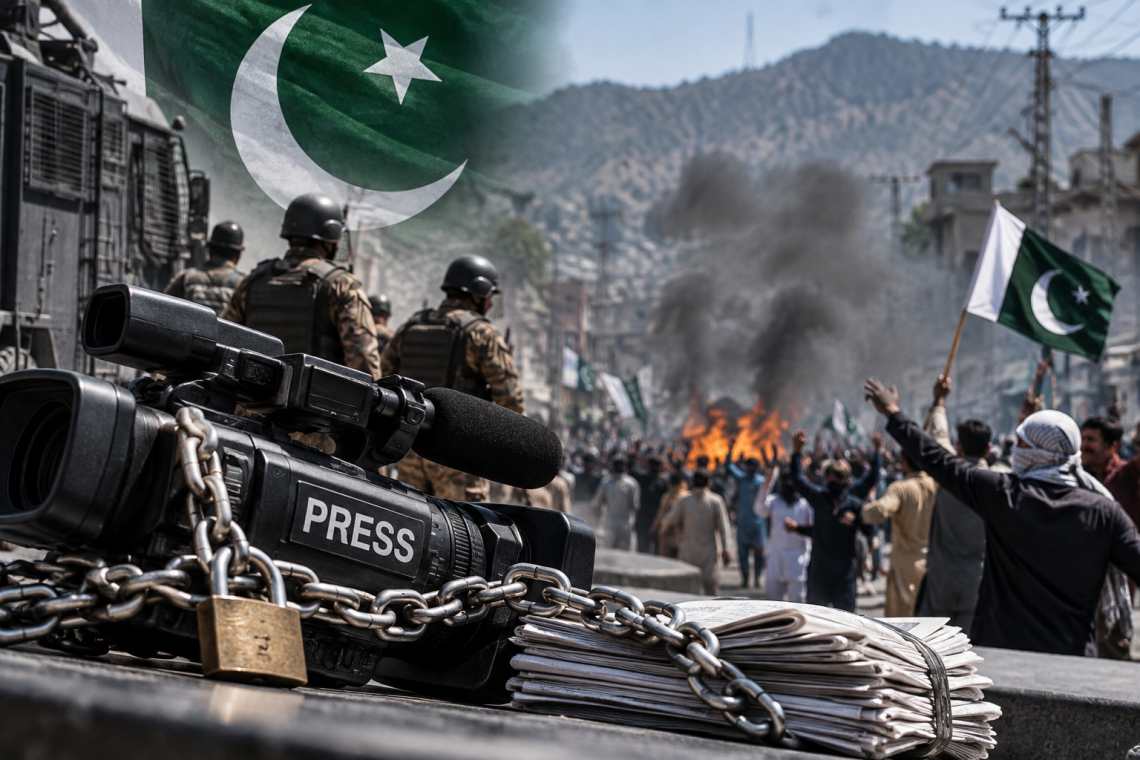
Tatchell outlined several crucial principles for achieving peace and self-determination in Balochistan, including an immediate ceasefire under United Nations supervision, the release of political prisoners, and an end to military operations by both sides. He stressed the importance of allowing journalists, aid organisations, and human rights groups access to Balochistan, as they are currently barred from entering the region.
He condemned Pakistan’s policy of encouraging non-Baloch settlers to flood the area, which he described as a form of demographic manipulation aimed at diluting the indigenous population.
In his address, Tatchell presented a vision for a free and independent Balochistan, rooted in principles of social justice, equality, and democracy. He called for a future of Balochistan that guarantees human rights for all its citizens, including equal rights for women–a critical issue in a region traditionally dominated by patriarchal and tribal systems.
He further advocated for land reform, emphasizing that all adult Baloch citizens should have a stake in land ownership to address significant inequalities in wealth and land distribution. Another major focus was on redistributing wealth and power, with Tatchell insisting that Balochistan’s resources should benefit the broader population rather than just a privileged few.
Additionally, he called for the establishment of a commission of inquiry into the disappearances and detentions without trial that have plagued the Baloch population under Pakistani rule. He stated that such an investigation would bring justice to the victims and their families.
Tatchell concluded his speech by urging Baloch leadership to present their case to the international community with a clear, practical plan. He drew parallels between the Baloch struggle and other historical movements, including Vietnam’s successful challenge to the United States, to illustrate that even a small, determined population can triumph over a powerful adversary.
“David can defeat Goliath,” he reminded the audience, asserting that, like all peoples, the Baloch have the right to self-determination.
Peter Tatchell has been an advocate for human rights, democracy, and global justice since 1967. He has been a dedicated supporter of the Baloch liberation movement for over a decade. Through the Peter Tatchell Foundation, he continues to campaign for human rights both in Britain and globally. (ANI)
ALSO READ: Indian Navy, IAF dispatch second tranche of aid to Myanmar