Tsering noted the significance of increased cooperation between the United States and India, particularly on issues like microchips….reports Asian Lite News
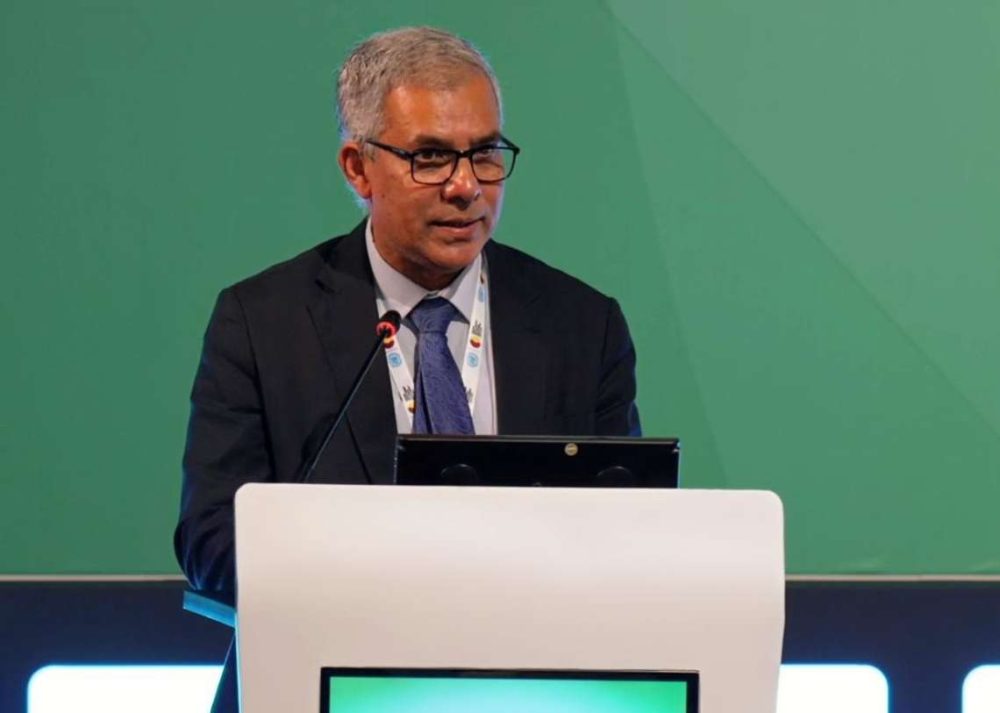
Tibetan leaders have reacted strongly to remarks made by President Biden and Prime Minister Modi regarding China during the recent Quad Summit. Sikyong Pempa Tsering, President of the Central Tibetan Administration, expressed his views on the evolving dynamics within the Quad alliance.
He stated, “It looks like the Quad formation is getting more entrenched and as we have been mentioning over the years the reality of China’s threat is very visible so I think India’s role particularly in this grouping will be very-very crucial.”
Tsering also noted the significance of increased cooperation between the United States and India, particularly on issues like microchips.
“There is a convergence of strategic alliance that needs to be formed because of China and China’s behaviour so that’s very much clear in this grouping,” he said. Tsering pointed out that the competition for influence in the Global South is also an important factor in this geopolitical landscape.
Highlighting the strategic importance of the Indo-Pacific region, Tsering remarked, “Indo Pacific is a very busy maritime trade route from Malacca Strait to Indian Ocean so it is important not only for the countries in this region but it involves a lot of trade.”
He emphasized that concerns over China’s hegemonic claims in the South China Sea and East China Sea have intensified discussions about security and economic issues.
“I think it is very clearly mentioned South China Sea and East China Sea that is where Australia comes into,” he said to ANI during the interview.
The Sikyong further indicated that nations in the Asia-Pacific region, including Japan, South Korea, Australia, and New Zealand, are also ramping up their defence spending in response to China’s actions. He pointed out, “So all of these countries announce many more money on defence only because of China’s behaviour.”
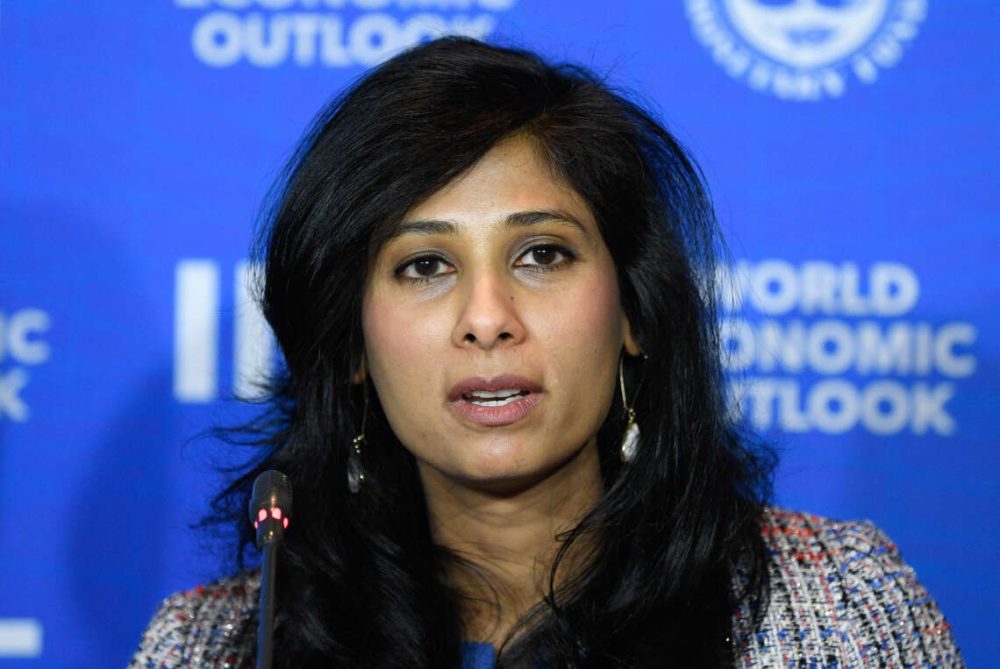
Dolma Tsering, Deputy Speaker of the Tibetan Parliament in-exile, also weighed in on the importance of the Quad and the remarks from Biden and Modi. “I think these statements are very important that too coming from America and India.
India becoming a leading power is a very positive thing that’s happening around the world so I want to congratulate Prime Minister Modi for that,” she stated. Dolma noted that the Quad Summit reflects a unified stance against threats to the rule of law and democratic sovereignty.
She remarked on China’s expanding influence, saying, “Looking into Xi Jinping’s global ambition of expending to wherever they are touching is not only intimidation endanger to South Asia but also to the whole world.”
Dolma echoed President Biden’s concerns, adding, “Therefore, I think President Biden has well said that China is testing us. Us in the sense is the whole world, the democratic setup,” Dolma said to ANI.
Dolma Tsering also highlighted the need for a peaceful resolution to global conflicts. “Prime Minister Modi has also told that they are looking for a possible peaceful resolution of conflicts happening around the world,” she said. She expressed a specific request to Modi regarding the situation of Tibetans in exile. “The majority of Tibetans are in India, so we want Prime Minister Modi and the stakeholders of the Quad, in America also we have sizeable American Tibetans, in Austria also, Australia also we have a sizeable number of Australian Tibetans,” she stated.
Dolma urged global leaders to advocate for Tibetan rights, emphasizing, “We want the leaders to raise the issue of Tibet, the occupation of Tibet also and try to resolve this long-standing decades old conflict between Tibet and China in a most amicable way.”
Earlier on Saturday, the Wilmington declaration of the Quad grouping expressed serious concern about the coercive and intimidating manoeuvres in the South China Sea.
In the joint declaration, the leaders from the US, India, Australia, and Japan opposed efforts to disrupt other countries’ offshore resource exploitation activities, and reaffirmed that maritime disputes must be resolved peacefully and in accordance with international law.
The leaders asserted that they are of strong conviction that international law, including respect for sovereignty and territorial integrity, along with the maintenance of peace, safety, security, and stability in the maritime domain, should be kept at the topmost priority. (ANI)
ALSO READ: Garcetti calls Biden ‘most pro-India President’ ever