North Korea, China and Russia are expanding nuclear arsenals at breakneck pace, says a senior White House official National Security Council
North Korea, China and Russia are expanding and diversifying their nuclear weapons stockpiles at a “breakneck” speed, a White House official has said, warning that absent a change in the trajectory of their arsenals, the US may have to increase its own.
Pranay Vaddi, senior director for arms control, disarmament and nonproliferation at the National Security Council, made the remarks at a forum on Friday, noting that the three countries are driving the US and its allies into bracing for a “world where nuclear competition occurs without numerical constraints”, Yonhap news agency reported.
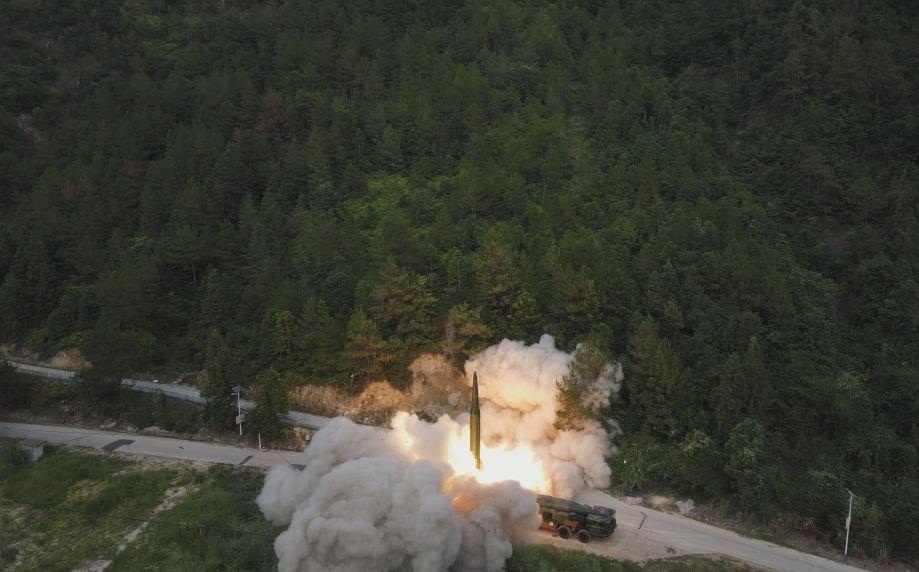
“Russia, the PRC and North Korea are all expanding and diversifying their nuclear arsenals at a breakneck pace, showing little or no interest in arms control,” he said at the event hosted by the Arms Control Association, a US-based nonpartisan organization. PRC stands for China’s official name, the People’s Republic of China.
“Those three, together with Iran, are increasingly cooperating and coordinating with each other in ways that run counter to peace and stability, threaten the United States, our allies and our partners, and exacerbate regional tensions,” he added.
The official pointed out that to deal with the realities of a “new” nuclear era, President Joe Biden recently issued an updated nuclear weapons employment guidance. “It emphasizes the need to account for the growth and diversity of the PRC’s nuclear arsenal and the need to deter Russia, the PRC and North Korea simultaneously,” he said. “It also reaffirms our commitment to use arms control and other tools to minimize the number of nuclear weapons needed to achieve US objectives.”
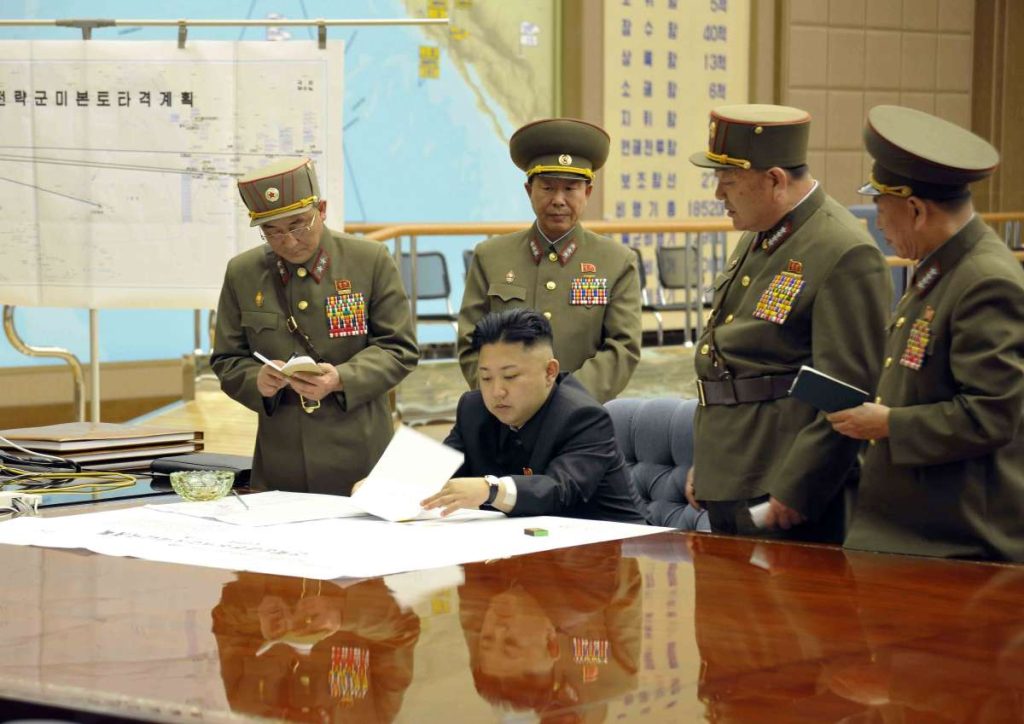
Vaddi warned that the US will need to adjust its posture and capabilities to ensure its ability to deter growing threats from the three countries should there be no change in their current nuclear weapons policy trajectory. “Let me be clear (that) absent a change in the trajectory of adversary arsenals, we may reach a point in the coming years where an increase from current deployed numbers is required,” he said.
Vaddi stressed that Washington has already taken “prudent” deterrence steps, including pursuing a modern variant of the B61 nuclear gravity bomb, and seeking to extend the life of certain Ohio-class ballistic missile submarines during the transition from legacy to modern capabilities.
He also pointed out that the US has “fully” invested to ensure that its “extended deterrence” commitment to using the full range of its military capabilities, including nuclear, to defend allies, continues to contribute to nonproliferation efforts.
He mentioned the Washington Declaration between the US and South Korea as an example of efforts to “jointly approach nuclear scenarios” with allies as “equal partners”. South Korean President Yoon Suk Yeol and Biden adopted the declaration last April as part of efforts to enhance the credibility of extended deterrence.
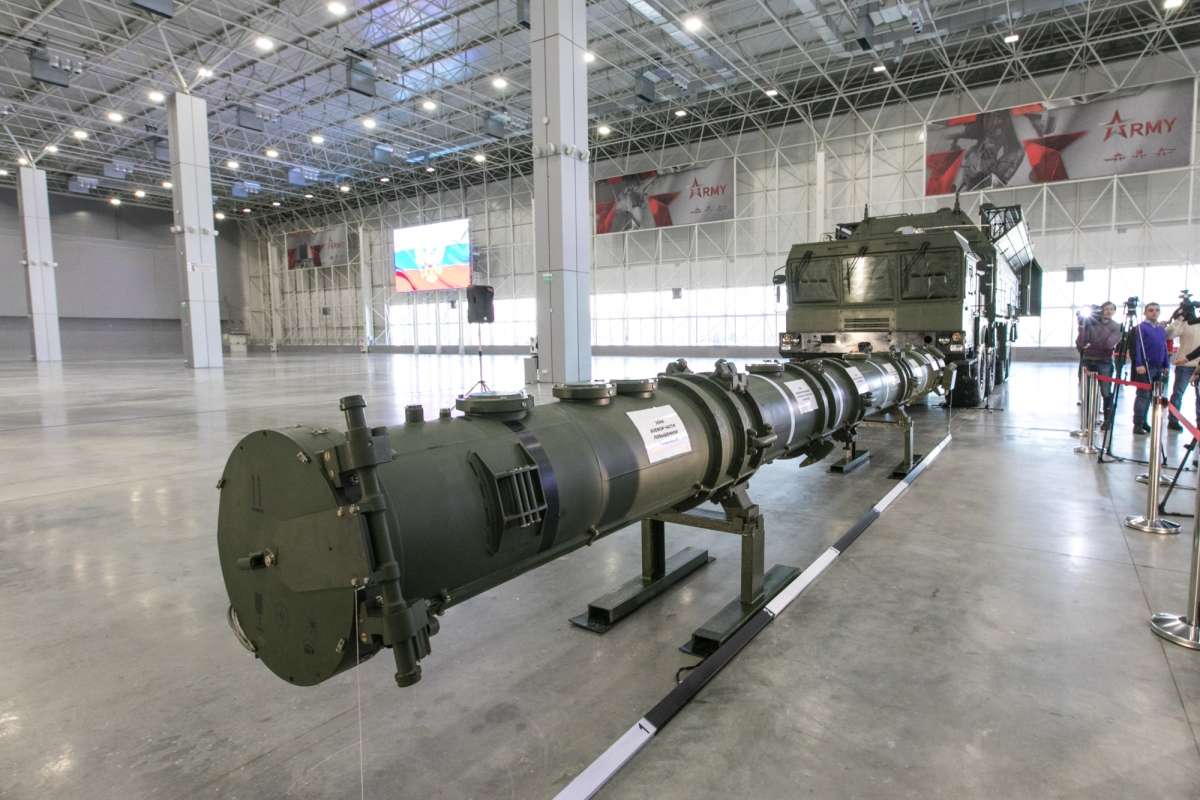
The official criticized Russia and China for their “outright refusal” to even discuss arms control, and North Korea for answering the US’ attempts to engage on risk reduction and nuclear issues with “more missile tests and greater hostility”.
“Practically speaking, they are forcing the US, our close allies and partners to prepare for a world where nuclear competition occurs without numerical constraints,” he said. “The reality is that further enhancing our capabilities and posture is incredibly important to rejuvenating strategic arms control.”
ALSO READ: Russia warns US of ‘fatal consequences’ after strike authorisation