October 24, 2024
5 mins read

Budget deals struck with all departments, says Reeves

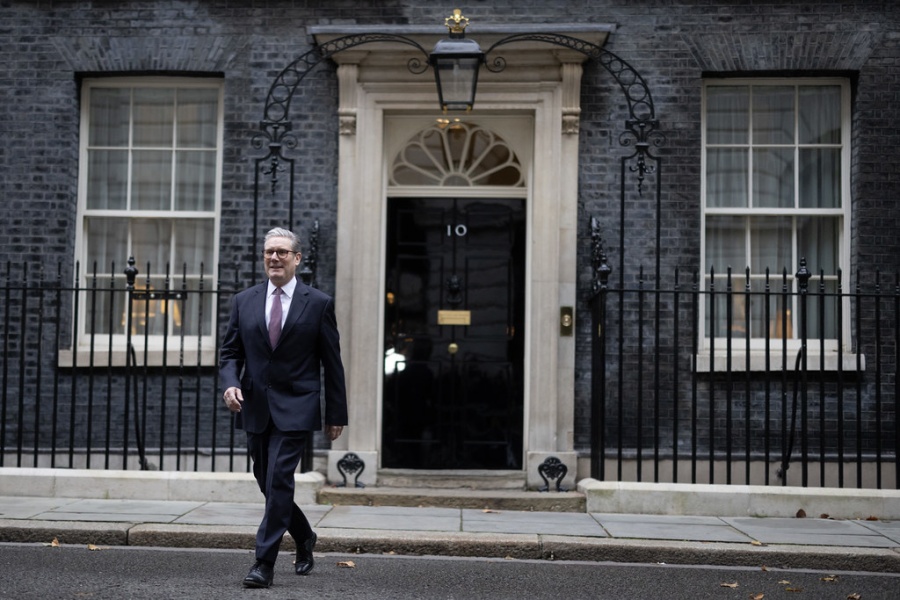
The revelation comes after a tricky period for cabinet relations during which multiple ministers went over the chancellor’s head to write directly to Prime Minister Keir Starmer to protest cuts to their areas….reports Asian Lite News

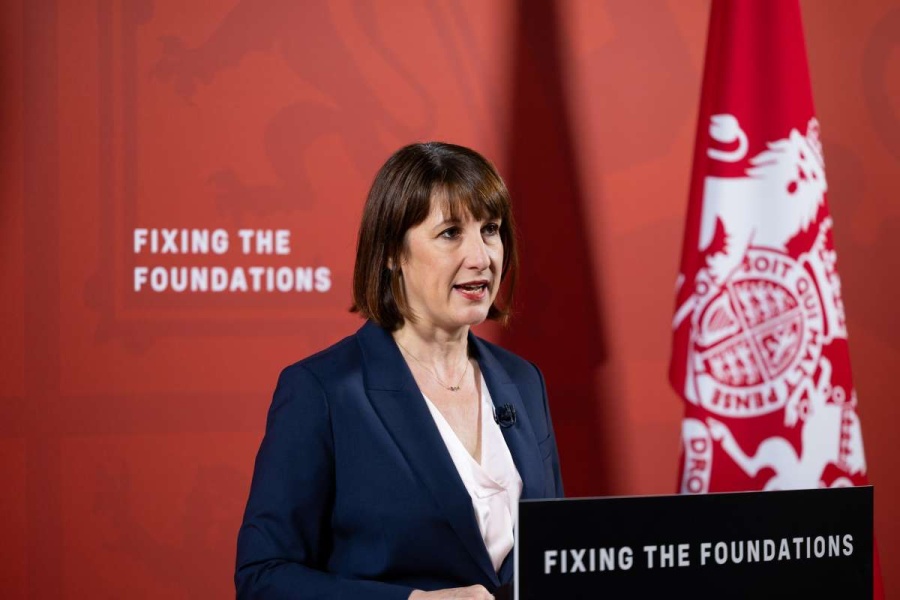
Chancellor Rachel Reeves said she’s reached agreement with all of her UK cabinet colleagues on their spending allocations for next week’s budget, following tensions with some senior ministers over cuts planned for their departments.

In a BBC interview, Reeves referred to a Treasury tradition whereby balloons representing each government department were inflated and stuck to the wall of the office of her deputy, Chief Secretary to the Treasury Darren Jones, ahead of budget talks, before being popped when settlements were reached. “All you need to know,” Reeves told BBC Radio 5 Live, “is there are no balloons left in the chief secretary’s office.”

The revelation comes after a tricky period for cabinet relations during which multiple ministers went over the chancellor’s head to write directly to Prime Minister Keir Starmer to protest cuts to their areas.

Angela Rayner, the deputy prime minister and housing secretary, did not reach agreement with the Treasury on spending for her department until late on Friday night, two days past the allotted deadline.

“I’m very sympathetic towards the mess that my colleagues have inherited”, Reeves said, referring to the £22 billion (S$37.7 billion) fiscal black hole she says the previous Conservative administration left behind. “But any additional money, in the end, it has to be paid for either by taking money from other departments or raising taxes.”

Addressing reports of cabinet dissent, Reeves said it was “perfectly reasonable that cabinet colleagues set out their case – both to me as chancellor and to the prime minister, about the scale of the challenges that they find in their departments.” She described the past week as “a really constructive process.”

As she prepares to deliver Labour’s first budget in 14 years, Reeves is planning a mix of tax rises and short-term spending restraint as part of a push to raise as much as £40 billion to plug the budgetary void and fund her party’s priorities – including the National Health service and longer-term infrastructure projects.

Reeves said she remained committed to election promises not to raise income tax, national insurance and value added tax for working people, but added “we do need to look at other taxes to make sure that the sums add up.”

“We do need to find additional money,” Reeves said. “There will be more difficult decisions to come on spending on welfare and taxation, and I’m not going to pretend otherwise.”

Reeves to announce major change to fiscal rules

Reeves will announce at the International Monetary Fund a plan to change Britain’s debt rules that will open the door for the government to spend up to £50bn extra on infrastructure projects.

After weeks of speculation, the chancellor will confirm at the fund’s annual meetings in Washington on Thursday that next week’s budget will include a new method for assessing the UK’s debt position – a move that will permit the Treasury to borrow more for long-term capital investment.

The change to the debt rule will be welcomed by the IMF, which says spending on UK infrastructure projects should be ringfenced as the government seeks to repair the damage to the public finances caused by the pandemic and the cost of living crisis.

Reeves will not specify while in Washington which of the various debt measures under consideration has been chosen, but the Guardian has been told by a senior government source that she will target public sector net financial liabilities (PSNFL).

This yardstick – which will replace public sector net debt – will take into account all the government’s financial assets and liabilities, including student loans and equity stakes in private companies, as well as funded pension schemes.

This would give the chancellor room to increase borrowing for investment in long-term infrastructure. Reeves said before leaving for the IMF on Wednesday: “A Britain built on the rock of economic stability is a Britain that is a strong and credible international partner.

“I’ll be in Washington to tell the world that our upcoming budget will be a reset for our economy as we invest in the foundations of future growth. It’s from this solid base that we will be able to best represent British interests and show leadership on the major issues like the conflicts in the Middle East and Ukraine.”

Labour inherited a set of fiscal rules from Reeves’s predecessor, Jeremy Hunt, dictating that day-to-day spending be met by revenues and that debt as a share of the economy must be falling in the fifth year of forecasts produced by the Office for Budget Responsibility.

Hunt was only narrowly on course to meet his debt rule, by £8.9bn, after announcing large tax cuts despite spending pressures linked to Britain’s high debt servicing costs, ballooning demand on public services and weak economic growth.

Had Hunt adopted a PSNFL target in March, it would have added about £53bn to his borrowing headroom.

The Treasury has hinted that it would not initially take advantage of all the extra scope that a change to the debt rule would provide and would put “guard rails” in place to ensure investment projects deliver value for money. Sources said energy and transport projects would be a particular focus of capital spending in the budget on 30 October.

ALSO READ: Starmer rules out ban on Israel arms exports  

Previous Story

Starmer rejects calls for slavery reparations

Next Story

‘Labour donor Lord Alli breached parliamentary rules’

Previous Story

Starmer rejects calls for slavery reparations

Next Story

‘Labour donor Lord Alli breached parliamentary rules’

Latest from -Top News

Pakistan Risks Overstretching Itself in Yemen War

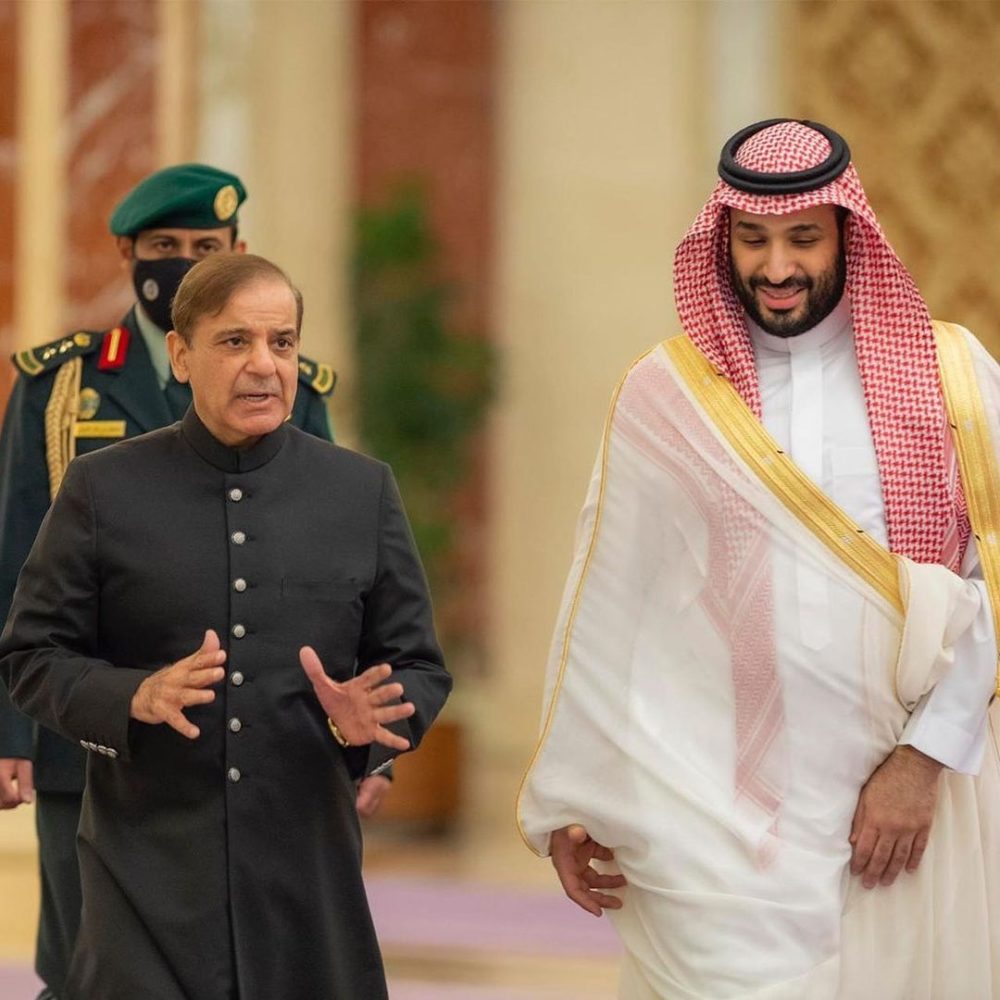
Pakistan’s expanding military role in Saudi Arabia amid the Yemen conflict could strain its defence resources and fragile finances…reports Asian Lite News Desk Pakistan’s military involvement in the war in Yemen may prove unsustainable because of mounting financial pressures and competing security demands, according to a new report. Islamabad’s growing military presence in Saudi Arabia risks stretching its defence resources while exposing the country to greater strategic and economic challenges. An article by Andrew Wilson in One World Outlook describes Pakistan’s involvement as a case of “fiscal and strategic overreach”, arguing that the country lacks the financial flexibility to sustain an expanded military commitment. Pakistan’s external finances depend heavily on an International Monetary Fund (IMF) programme, financial support from Gulf countries and remittances from Pakistani workers in the region. The report argues that deeper military involvement in the conflict could place additional pressure on these sources of financial stability. It also warns that deploying troops and military equipment abroad could weaken Pakistan’s capacity to address security challenges along its eastern border and deal with two domestic insurgencies. The move could also draw Islamabad into a conflict it has sought to approach cautiously. A Reuters report in May, citing Pakistani security and government sources, said Islamabad had deployed around 8,000 troops, a squadron of approximately 16 aircraft, mostly JF-17 fighter jets, two drone squadrons and a Chinese HQ-9 air-defence battery to Saudi Arabia. According to those sources, Riyadh was financing the deployment, with Pakistani personnel operating the equipment. The sources also said a confidential agreement contemplated the possibility of deploying up to 80,000 troops. Islamabad has not confirmed those figures, although it has acknowledged its military presence in Saudi Arabia, including the deployment of fighter jets at King Abdulaziz Air Base from April. The One World Outlook article argues that Saudi financial support can cover allowances and operating expenses but cannot easily replace military equipment needed elsewhere or resolve the political and strategic challenges of participating in the Yemen conflict. Pakistan’s defence budget is another concern. For the 2026-27 financial year, the federal government allocated PKR 3 trillion, or approximately $10.8 billion, to defence services. The allocation represents an 18 per cent increase from the original PKR 2.55 trillion provision and amounts to around 2.1 per cent of projected gross domestic product (GDP). Defence spending accounts for approximately 16 per cent of the federal government’s PKR 18.8 trillion expenditure. Military pensions are budgeted separately at PKR 822 billion, while debt servicing costs stand at approximately PKR 8 trillion, more than two-and-a-half times the defence allocation. The report argues that these competing financial obligations leave little room for additional military expenditure without placing further pressure on public finances. Pakistan’s reliance on IMF assistance also limits its fiscal flexibility. The country must meet the conditions attached to the programme, including a primary budget surplus target of 2 per cent of GDP and continued restraint on development spending. According to the article, these requirements make it difficult for Islamabad to finance an additional military commitment without compromising other budgetary priorities. Pakistan’s economic indicators offer limited reassurance. Economic growth for the 2025-26 financial year is estimated at between 3.6 and 3.7 per cent, while inflation reached approximately 10.3 per cent in September following an energy price shock. Foreign exchange reserves stood at around $21.5 billion at the end of September. Although this marks an improvement from the low levels recorded in 2023, the report notes that the reserves cover only a few months of imports. Financial assistance from Gulf partners remains central to Pakistan’s external stability. The article says Islamabad holds approximately $8 billion in Saudi deposits at its central bank. In July, the State Bank of Pakistan said Riyadh had extended the maturity of $5 billion in deposits to December 2028, easing the country’s immediate external financing requirements. A further $3 billion deposit was also extended in the spring. However, the article argues that these arrangements provide temporary relief rather than long-term financial independence, particularly as regional conflict threatens the stability of the Gulf economies on which Pakistan relies. The report concludes that Pakistan faces a difficult balance between supporting Saudi Arabia militarily and preserving the financial and military resources needed to address its domestic and regional challenges.

UK and Germany Ratify Kensington Treaty

Britain and Germany ratify the Kensington Treaty, agreeing new cooperation on AI, quantum research, defence and security while targeting investment, jobs and Russian hybrid threats…reports Asian Lite News Desk Britain and Germany

Economic tide is turning in Bangladesh

If there is one thing that can bring some comfort to the struggling Bangladeshi economy, it is good relations with India. Bangladesh should remember that Delhi’s backing, through easy supplies of essentials

DP World Lands 15-Year Bangladesh Port Deal

The agreement between the Chittagong Port Authority (CPA) and DP World covers the New Mooring Container Terminal…reports Asian Lite News Desk Bangladesh has signed a 15-year concession agreement with global ports operator
Go toTop

Don't Miss

Prince Harry back in UK for Prince Philip’s funeral

Prince will be able to attend the funeral on “compassionate

‘Russia won’t forget Britain’s weapon supply to Kiev regime’

Moscow said London has completely subordinated its foreign policy to