China’s import of seafood right after it halted shipments from Japan has decreased by about 10 per cent….reports Asian Lite News
A year after China banned imports of seafood from Japan, the country is now turning to South America to keep up with its demand. Beijing banned importing seafood from Japan in response to Tokyo’s decision to release treated wastewater from the disaster-hit Fukushima Daiichi nuclear power plant.
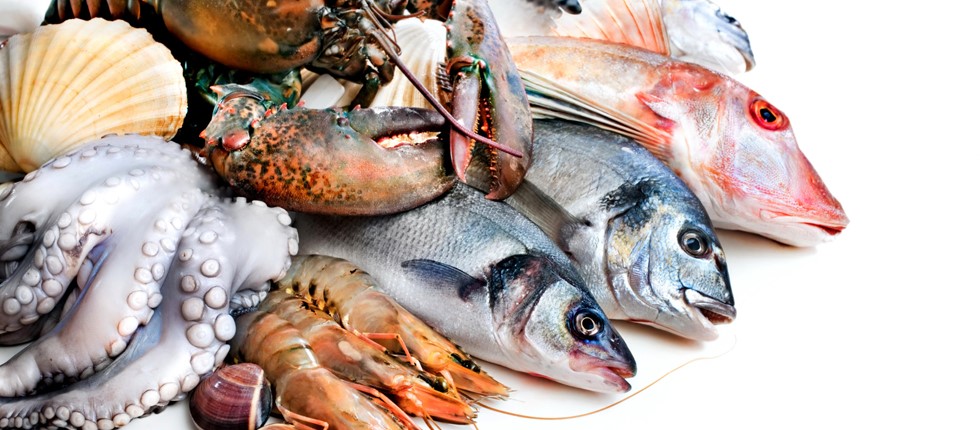
Since, then China has attempted to fill the gap with purchases of seafood from South America, Asia and elsewhere. According to Nikkei Asia, China’s import of seafood right after it halted shipments from Japan has decreased by about 10 per cent. As per the data released by China’s General Administration of Customs, imports of mollusks, which include scallops, were down 11 per cent and imports of fresh fish saw a 4 per cent decline.
Before the release of the treated water, China had imported $290 million worth of scallops during the first eight months of the year 2023.
From last September to July this year, mollusk shipments to China rose 42 per cent from Indonesia, about 150 per cent from the United Kingdom and almost tripled from Argentina. “This is similar to how imports from South America grew when imports from the US decreased due to US-China trade friction,” Toru Nishihama, chief economist at Japan’s Dai-ichi Life Research Institute told Nikkei Asia.
Since the ban, the Japanese government has been trying to improve its trade relations with China. Japanese Prime Minister Yoko Kamikawa has been asking his Chinese counterpart Wang Yi to drop the import ban. While the discussions are still ongoing, there is no prospect of China lifting the ban, anytime soon.
“The precautionary measures taken by China and some other countries in response to Japan’s move are aimed at protecting food safety and people’s health,” Chinese Foreign Ministry spokesperson Mao Ning said at a news conference Friday. “These measures are entirely legitimate, reasonable and necessary,” she added.
Meanwhile, Japanese seafood companies have been trying to venture out in search of alternatives. Those based in Hokkaido, where about 90 per cent of Japan’s scallops are produced, have increased exports to the US and Southeast Asia.
From January to June this year, the scallop shipments to the United States has doubled on the year to 3.6 billion yen. The Japanese companies have also increased their export to Vietnam. However, losing China as a customer affected Japan as well.
The country’s overall scallop exports during those six months fell 37 per cent to 24 billion yen. The US has now replaced China to be the biggest buyer of Japanese scallops.
ALSO READ: Unite calls for 1% wealth tax on super-rich