May 23, 2024
3 mins read

Inflation rate falls to lowest in almost three years

Inflation hit a high above 11% at the end of 2022 in the wake of Russia’s invasion of Ukraine, which led to sharp increases in energy costs…reports Asian Lite News

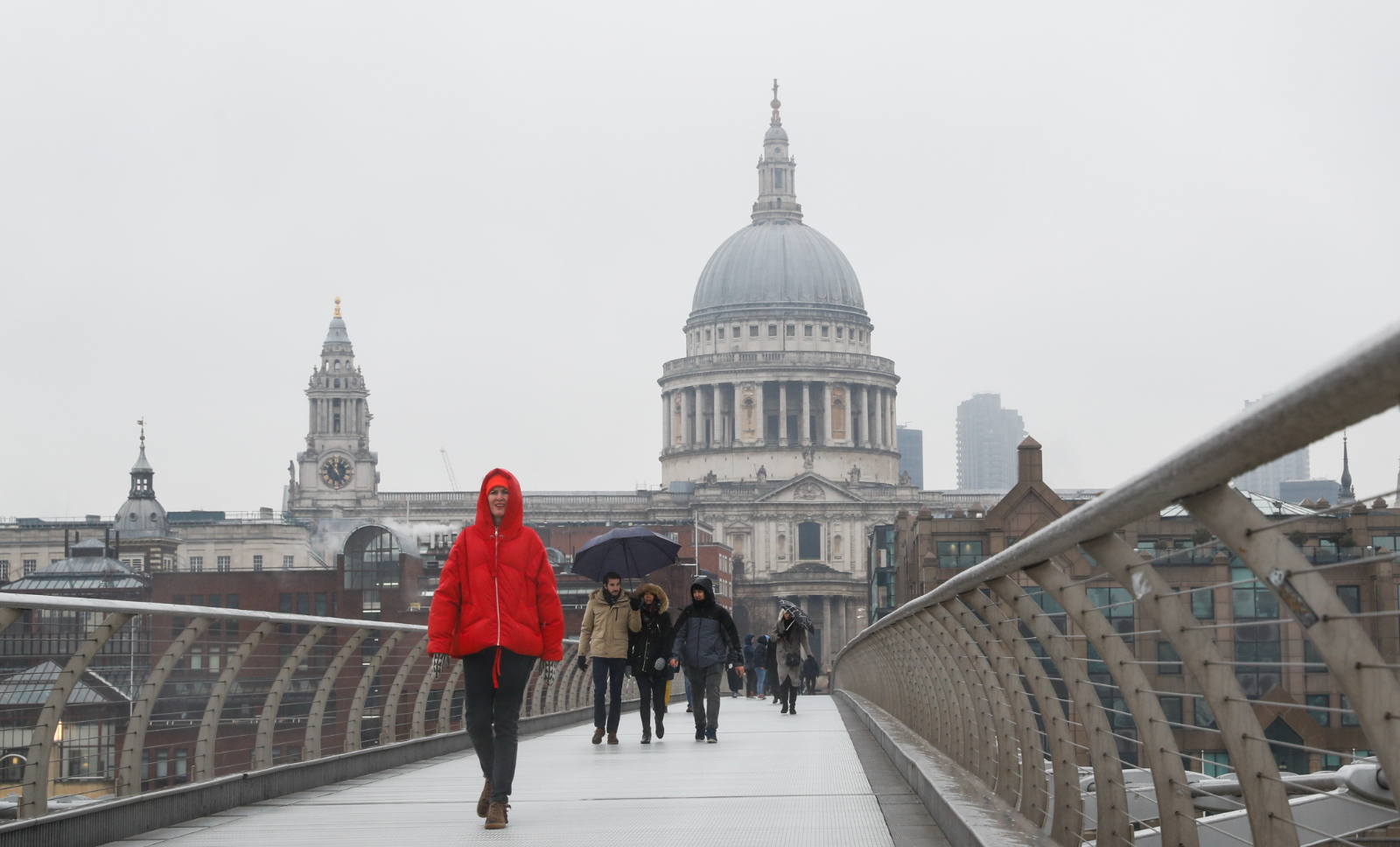
Inflation in the U.K. fell sharply to its lowest level in nearly three years in April on the back of big declines in domestic bills, official figures showed Wednesday. The drop was widely seen as a trigger for Prime Minister Rishi Sunak to call a general election for July 4.

The Office for National Statistics said inflation, as measured by the consumer prices index, fell to 2.3% in the year through April, down from 3.2% in March.

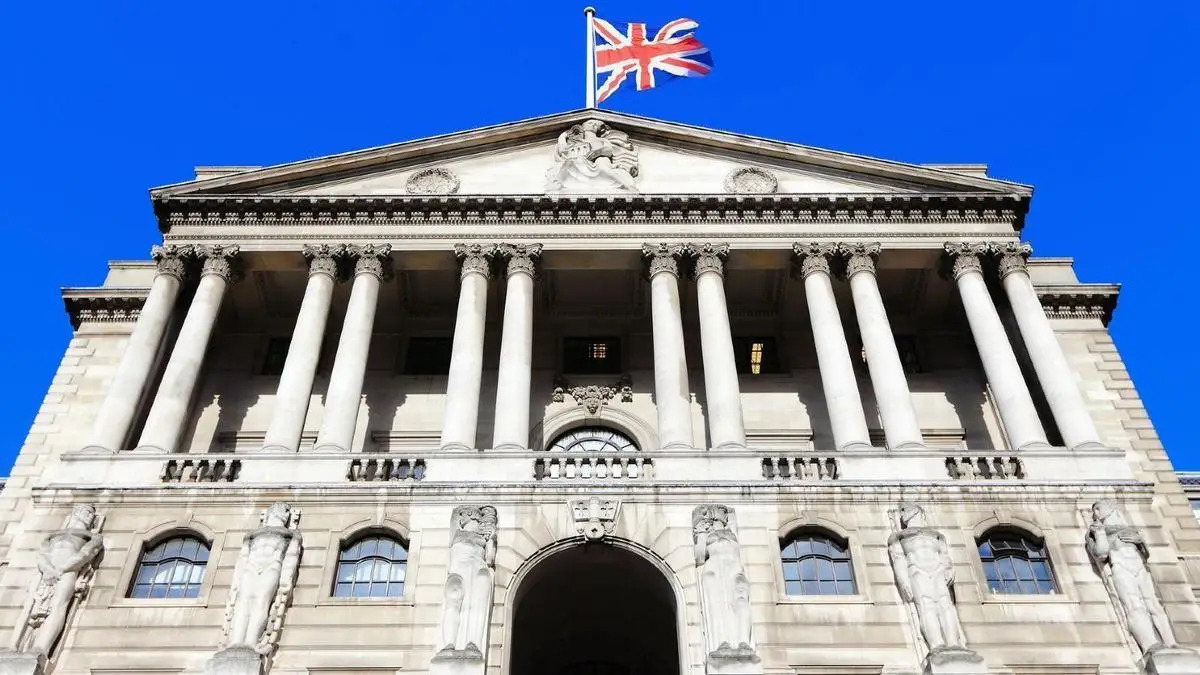
That is the lowest level since July 2021 when the global economy was still being held back by the coronavirus pandemic. The fall also takes inflation nearer to the Bank of England’s target rate of 2% and is likely to pile pressure on its nine-member rate-setting panel to cut interest rates from the current 16-year high of 5.25%.

The next rate meeting is on June 20 and many economists think the bank will cut borrowing costs. However, others think that ongoing concerns on the panel over the scale of price rises in the crucial services sector and the pace of wage increases, which raise the risks of an inflation rebound if interest rates are cut too soon, make an August reduction more likely.

Though the latest fall in inflation is welcome, it didn’t drop as far as some economists had hoped. It also doesn’t mean the cost of living crisis — the worst in around 40 years — is over. Lower inflation, after all, just shows that prices are rising more slowly than they were before.

“Consumers are still living with far higher prices and how you take today’s inflation data will depend on whether your glass is half full or half empty,” said James Smith, research director at the Resolution Foundation. “While it’s clearly good news headline inflation is back to normal levels, it is disappointing that price pressures haven’t fallen further and that measures of services inflation are proving more stubborn that expected.”

Inflation hit a high above 11% at the end of 2022 in the wake of Russia’s invasion of Ukraine, which led to sharp increases in energy costs.

Over the past couple of years, goods and services have risen by 15%, with food prices up even more at around 25%.

The Bank of England, like the U.S. Federal Reserve and other central banks around the world, raised interest rates aggressively in late 2021 from near zero to counter price rises first stoked by supply chain issues during the coronavirus pandemic and then by Russia’s invasion of Ukraine.

Higher interest rates — which cool the economy by making it more expensive to borrow, thereby bearing down on spending — have contributed to bringing down inflation worldwide. Figures last week showed that the British economy has started growing again.

Britain’s governing Conservative Party hopes that lower inflation and economic recovery will trigger a feelgood factor ahead of the general election, the date of which Sunak confirmed later Wednesday. Opinion polls suggest that the main opposition Labour Party is ahead of the Conservatives, who have been in power since 2010.

“This morning it was confirmed that inflation is back to normal,” Sunak said when announcing the election date. “This means the pressure on prices will ease and mortgage rates will come down.”

Labour’s economy spokesperson Rachel Reeves said “now is not the time for Conservative ministers to be popping champagne corks and taking a victory lap.”

ALSO READ-PAKISTAN: Growing crime rate linked to rising inflation
Previous Story

New Leadership Powers Snapchat India

Next Story

‘We need a PM who…’: Kejriwal blasts Modi over inflation

Previous Story

New Leadership Powers Snapchat India

Next Story

‘We need a PM who…’: Kejriwal blasts Modi over inflation

Latest from -Top News

Pakistan Risks Overstretching Itself in Yemen War

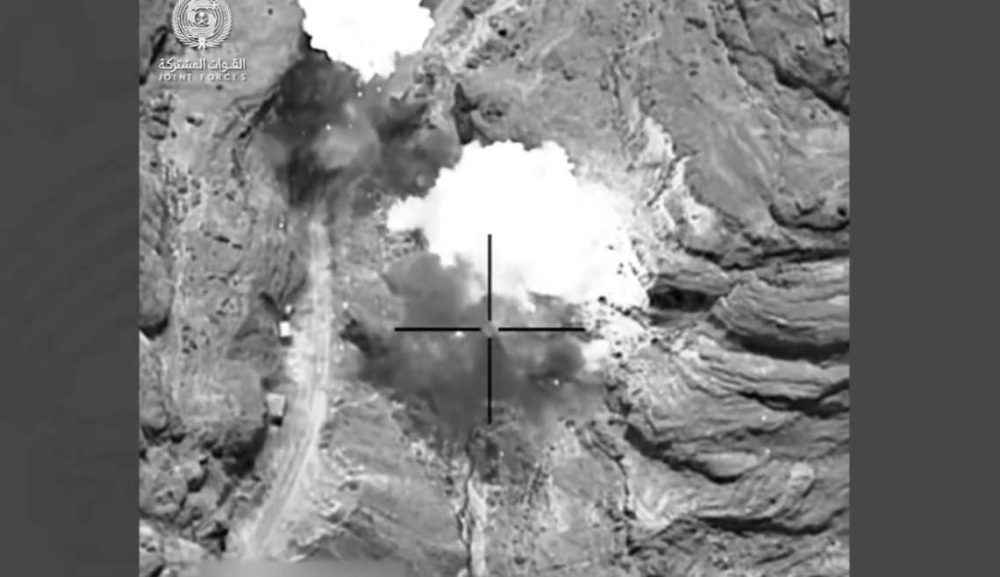
Pakistan’s expanding military role in Saudi Arabia amid the Yemen conflict could strain its defence resources and fragile finances…reports Asian Lite News Desk Pakistan’s military involvement in the war in Yemen may prove unsustainable because of mounting financial pressures and competing security demands, according to a new report. Islamabad’s growing military presence in Saudi Arabia risks stretching its defence resources while exposing the country to greater strategic and economic challenges. An article by Andrew Wilson in One World Outlook describes Pakistan’s involvement as a case of “fiscal and strategic overreach”, arguing that the country lacks the financial flexibility to sustain an expanded military commitment. Pakistan’s external finances depend heavily on an International Monetary Fund (IMF) programme, financial support from Gulf countries and remittances from Pakistani workers in the region. The report argues that deeper military involvement in the conflict could place additional pressure on these sources of financial stability. It also warns that deploying troops and military equipment abroad could weaken Pakistan’s capacity to address security challenges along its eastern border and deal with two domestic insurgencies. The move could also draw Islamabad into a conflict it has sought to approach cautiously. A Reuters report in May, citing Pakistani security and government sources, said Islamabad had deployed around 8,000 troops, a squadron of approximately 16 aircraft, mostly JF-17 fighter jets, two drone squadrons and a Chinese HQ-9 air-defence battery to Saudi Arabia. According to those sources, Riyadh was financing the deployment, with Pakistani personnel operating the equipment. The sources also said a confidential agreement contemplated the possibility of deploying up to 80,000 troops. Islamabad has not confirmed those figures, although it has acknowledged its military presence in Saudi Arabia, including the deployment of fighter jets at King Abdulaziz Air Base from April. The One World Outlook article argues that Saudi financial support can cover allowances and operating expenses but cannot easily replace military equipment needed elsewhere or resolve the political and strategic challenges of participating in the Yemen conflict. Pakistan’s defence budget is another concern. For the 2026-27 financial year, the federal government allocated PKR 3 trillion, or approximately $10.8 billion, to defence services. The allocation represents an 18 per cent increase from the original PKR 2.55 trillion provision and amounts to around 2.1 per cent of projected gross domestic product (GDP). Defence spending accounts for approximately 16 per cent of the federal government’s PKR 18.8 trillion expenditure. Military pensions are budgeted separately at PKR 822 billion, while debt servicing costs stand at approximately PKR 8 trillion, more than two-and-a-half times the defence allocation. The report argues that these competing financial obligations leave little room for additional military expenditure without placing further pressure on public finances. Pakistan’s reliance on IMF assistance also limits its fiscal flexibility. The country must meet the conditions attached to the programme, including a primary budget surplus target of 2 per cent of GDP and continued restraint on development spending. According to the article, these requirements make it difficult for Islamabad to finance an additional military commitment without compromising other budgetary priorities. Pakistan’s economic indicators offer limited reassurance. Economic growth for the 2025-26 financial year is estimated at between 3.6 and 3.7 per cent, while inflation reached approximately 10.3 per cent in September following an energy price shock. Foreign exchange reserves stood at around $21.5 billion at the end of September. Although this marks an improvement from the low levels recorded in 2023, the report notes that the reserves cover only a few months of imports. Financial assistance from Gulf partners remains central to Pakistan’s external stability. The article says Islamabad holds approximately $8 billion in Saudi deposits at its central bank. In July, the State Bank of Pakistan said Riyadh had extended the maturity of $5 billion in deposits to December 2028, easing the country’s immediate external financing requirements. A further $3 billion deposit was also extended in the spring. However, the article argues that these arrangements provide temporary relief rather than long-term financial independence, particularly as regional conflict threatens the stability of the Gulf economies on which Pakistan relies. The report concludes that Pakistan faces a difficult balance between supporting Saudi Arabia militarily and preserving the financial and military resources needed to address its domestic and regional challenges.
Go toTop

Don't Miss

Pakistan sandwiched between Inflation, turmoil

The average price of a 20 kg wheat flour bag

Eurozone inflation softens in February

The Baltic countries are projected to record the highest annual