November 12, 2024
4 mins read

Justin Welby refuses to resign over ‘child abuse cover-up’ 

Smyth is said to have subjected as many as 130 boys and young men to “appalling” sexual violence, but died in Cape Town in 2018 while under investigation by Hampshire Constabulary..reports Asian Lite News

The Archbishop of Canterbury has rejected calls to resign after a report found the Church of England covered up the “abhorrent” abuse of more than 100 boys and young men for years. John Smyth’s abuse could have been exposed in 2013 if Justin Welby had followed up to ensure the police investigated concerns. 

Smyth is said to have subjected as many as 130 boys and young men to “appalling” sexual violence, but died in Cape Town in 2018 while under investigation by Hampshire Constabulary. Three members of the General Synod have launched a petition that calls on the Archbishop to resign following the report. 

The Rev Richard Coles, the radio presenter, is among those calling for the Archbishop’s resignation. In a post on social media, he said: “Anyone in authority who knew about an abuser and did not act properly so that abuse continued should resign. Then [we need] a reset that begins with making safeguarding in the CofE independent of the CofE.” 

The Rev Giles Fraser, the vicar and columnist, said it was “unlikely” he could remain in post. Rev Fraser posted: “I think it seems increasingly unlikely that the Archbishop of Canterbury can survive in post, given the growing chorus of calls for his resignation from amongst his own clergy.” 

A Lambeth Palace spokesman said that the Archbishop “reiterates his horror” over Smyth’s abuse and has “apologised profoundly both for his own failures and omissions and for the wickedness, concealment and abuse by the church more widely”. She added: “He had no awareness or suspicion of the allegations before he was told in 2013. And therefore, having reflected, he does not intend to resign.” 

It comes after the Archbishop said on Thursday, the day of the report’s publication, that he had thought about resigning that morning. He told Channel 4 News: “I have given it (resigning) a lot of thought and have taken advice as recently as this morning from senior colleagues, and, no, I am not going to resign.” 

Asked if he considered resigning on Thursday morning, the Archbishop said “yes”. The Archbishop said he had “no idea or suspicion of this abuse” before 2013 but acknowledged the review had found that after its wider exposure that year he had “personally failed to ensure” it was investigated. 

He knew Smyth because of his attendance at the Iwerne Christian camps in the 1970s, but the review said there was no evidence that he had “maintained any significant contact” with the barrister in later years. 

It said while he knew him and “did have reason to have some concern about him” this was not the same as suspecting he had committed severe abuses, and concluded it was “not possible to establish” whether the Archbishop knew of the severity of the abuses in the UK before 2013. 

But the report said Smyth “could and should have been formally reported to the police in the UK, and to authorities in South Africa (church authorities and potentially the police) by church officers, including a diocesan bishop and Justin Welby in 2013”. It said, “had that been done, on the balance of probabilities” Smyth could have been brought to justice “at a much earlier point” than the Hampshire Constabulary investigation in early 2017. 

It added: “Opportunities to establish whether he continued to pose an abusive threat in South Africa were missed because of these inactions by senior church officers.” The report also stated: “In effect, three and a half years were lost, a time within which John Smyth could have been brought to justice and any abuse he was committing in South Africa discovered and stopped.” 

Its authors concluded that, in their opinion: “Justin Welby held a personal and moral responsibility to pursue this further, whatever the policies at play at the time required.” Others have warned against treating the Archbishop as a “scapegoat”, noting that some church officials knew far more than he did about Smyth’s abuse for decades but covered it up. 

ALSO READ: Starmer has no plans to meet the Taliban at Baku 

Previous Story

‘AI tool could influence Home Office immigration decisions’ 

Next Story

NHS hopes to save thousands with pill that helps smokers quit 

Previous Story

‘AI tool could influence Home Office immigration decisions’ 

Next Story

NHS hopes to save thousands with pill that helps smokers quit 

Latest from -Top News

Pakistan Risks Overstretching Itself in Yemen War

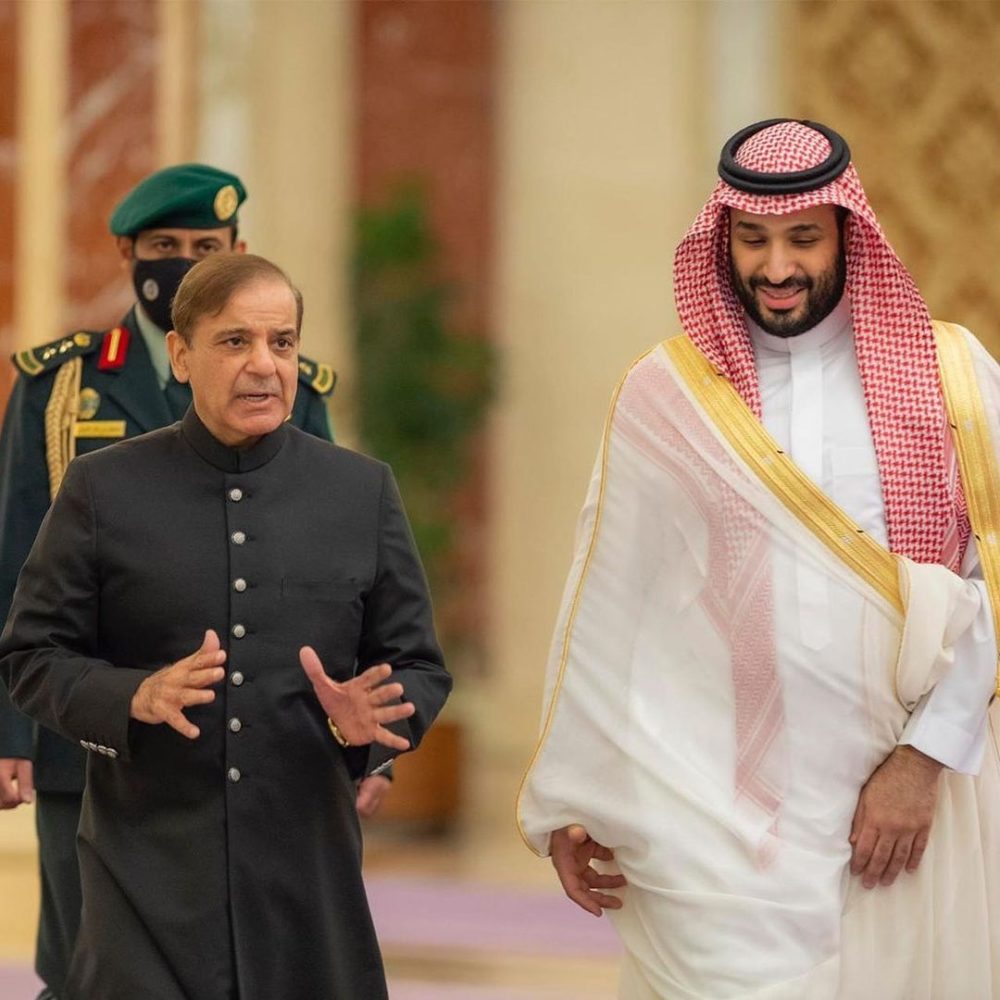
Pakistan’s expanding military role in Saudi Arabia amid the Yemen conflict could strain its defence resources and fragile finances…reports Asian Lite News Desk Pakistan’s military involvement in the war in Yemen may prove unsustainable because of mounting financial pressures and competing security demands, according to a new report. Islamabad’s growing military presence in Saudi Arabia risks stretching its defence resources while exposing the country to greater strategic and economic challenges. An article by Andrew Wilson in One World Outlook describes Pakistan’s involvement as a case of “fiscal and strategic overreach”, arguing that the country lacks the financial flexibility to sustain an expanded military commitment. Pakistan’s external finances depend heavily on an International Monetary Fund (IMF) programme, financial support from Gulf countries and remittances from Pakistani workers in the region. The report argues that deeper military involvement in the conflict could place additional pressure on these sources of financial stability. It also warns that deploying troops and military equipment abroad could weaken Pakistan’s capacity to address security challenges along its eastern border and deal with two domestic insurgencies. The move could also draw Islamabad into a conflict it has sought to approach cautiously. A Reuters report in May, citing Pakistani security and government sources, said Islamabad had deployed around 8,000 troops, a squadron of approximately 16 aircraft, mostly JF-17 fighter jets, two drone squadrons and a Chinese HQ-9 air-defence battery to Saudi Arabia. According to those sources, Riyadh was financing the deployment, with Pakistani personnel operating the equipment. The sources also said a confidential agreement contemplated the possibility of deploying up to 80,000 troops. Islamabad has not confirmed those figures, although it has acknowledged its military presence in Saudi Arabia, including the deployment of fighter jets at King Abdulaziz Air Base from April. The One World Outlook article argues that Saudi financial support can cover allowances and operating expenses but cannot easily replace military equipment needed elsewhere or resolve the political and strategic challenges of participating in the Yemen conflict. Pakistan’s defence budget is another concern. For the 2026-27 financial year, the federal government allocated PKR 3 trillion, or approximately $10.8 billion, to defence services. The allocation represents an 18 per cent increase from the original PKR 2.55 trillion provision and amounts to around 2.1 per cent of projected gross domestic product (GDP). Defence spending accounts for approximately 16 per cent of the federal government’s PKR 18.8 trillion expenditure. Military pensions are budgeted separately at PKR 822 billion, while debt servicing costs stand at approximately PKR 8 trillion, more than two-and-a-half times the defence allocation. The report argues that these competing financial obligations leave little room for additional military expenditure without placing further pressure on public finances. Pakistan’s reliance on IMF assistance also limits its fiscal flexibility. The country must meet the conditions attached to the programme, including a primary budget surplus target of 2 per cent of GDP and continued restraint on development spending. According to the article, these requirements make it difficult for Islamabad to finance an additional military commitment without compromising other budgetary priorities. Pakistan’s economic indicators offer limited reassurance. Economic growth for the 2025-26 financial year is estimated at between 3.6 and 3.7 per cent, while inflation reached approximately 10.3 per cent in September following an energy price shock. Foreign exchange reserves stood at around $21.5 billion at the end of September. Although this marks an improvement from the low levels recorded in 2023, the report notes that the reserves cover only a few months of imports. Financial assistance from Gulf partners remains central to Pakistan’s external stability. The article says Islamabad holds approximately $8 billion in Saudi deposits at its central bank. In July, the State Bank of Pakistan said Riyadh had extended the maturity of $5 billion in deposits to December 2028, easing the country’s immediate external financing requirements. A further $3 billion deposit was also extended in the spring. However, the article argues that these arrangements provide temporary relief rather than long-term financial independence, particularly as regional conflict threatens the stability of the Gulf economies on which Pakistan relies. The report concludes that Pakistan faces a difficult balance between supporting Saudi Arabia militarily and preserving the financial and military resources needed to address its domestic and regional challenges.

UK and Germany Ratify Kensington Treaty

Britain and Germany ratify the Kensington Treaty, agreeing new cooperation on AI, quantum research, defence and security while targeting investment, jobs and Russian hybrid threats…reports Asian Lite News Desk Britain and Germany

Economic tide is turning in Bangladesh

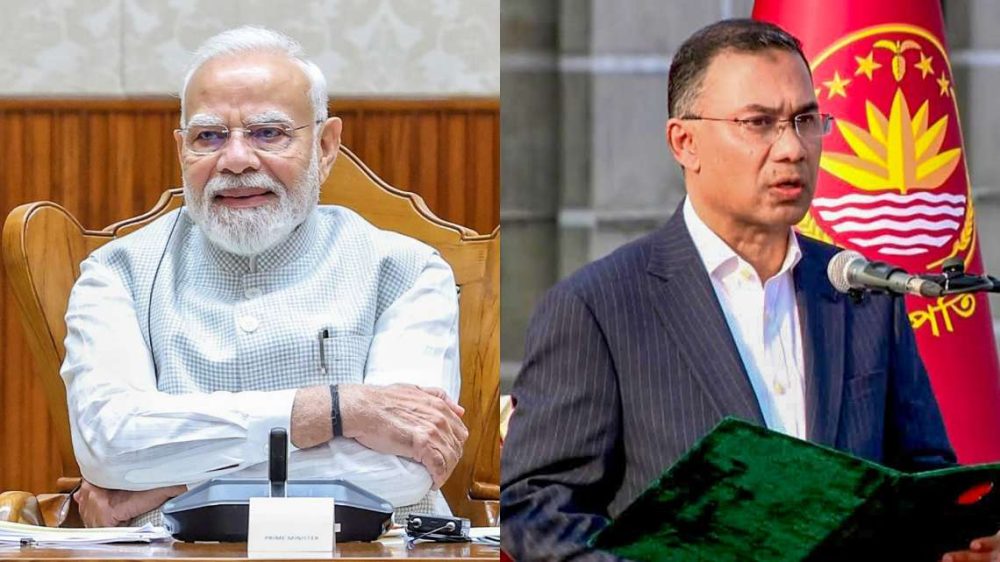
If there is one thing that can bring some comfort to the struggling Bangladeshi economy, it is good relations with India. Bangladesh should remember that Delhi’s backing, through easy supplies of essentials
Go toTop

Don't Miss

Amazon to stop accepting UK-issued Visa credit cards

An Amazon spokesperson said the dispute was to do with

P&O sacks 800 staff, halts ferry crossings

All the 800 staff were reportedly sacked through a video