November 12, 2024
3 mins read

NHS hopes to save thousands with pill that helps smokers quit 

Amanda Pritchard, the chief executive of NHS England, hailed the pill as a potential “gamechanger” in the fight to tackle smoking and the huge harm to health it causes. ..reports Asian Lite News

Hundreds of thousands of smokers will be given a pill that increases people’s chances of quitting, in a move that NHS bosses believe will save thousands of lives. 

About 85,000 people a year in England will be offered the chance to use varenicline, a once-a-day tablet that experts say is as effective as vapes at helping people to kick the habit. 

Amanda Pritchard, the chief executive of NHS England, hailed the pill as a potential “gamechanger” in the fight to tackle smoking and the huge harm to health it causes. 

The drug helps people to quit by reducing their cravings for nicotine and ensuring that it cannot affect the brain in its usual way. It has also been found to reduce the side-effects smokers can experience when they stop using tobacco, such as trouble sleeping and irritability. 

The NHS in England will give varenicline as part of its efforts to keep driving down the number of people who smoke. A decline in smoking rates over the past 20 years means that only 11.6% of adults in England still have the habit – about 6 million people. 

Health service bosses hope its use will lead to 9,500 fewer smoking-related deaths over the next five years. The drug – known at the time as Champix – began being used in 2006 and was taken by about 85,800 people a year until July 2021. It then became unavailable after the Medicines and Healthcare products Regulatory Agency (MHRA), which regulates drugs, found impurities in it. 

That problem has now been addressed to the MHRA’s satisfaction and it has recently approved a generic version of the drug, which NHS England will use. It cited research by University College London that found it would save £1.65 in healthcare costs for every £1 it spent on the pill. The pharmaceutical firm Teva UK will provide the generic version of the drug. 

Smoking experts welcomed varenicline’s return. Dr Nicola Lindson, an associate professor at Oxford university, said: “[It] is one of the most effective ways to quit smoking, especially when combined with behavioural support, such as counselling.” 

Hazel Cheeseman, the chief executive of Action on Smoking and Health, welcomed the move but said the NHS also needed to improve the help it gives to smokers to quit. Meanwhile, hospital bosses in England have said Labour will fail in its mission to get NHS waiting times back on track by the end of this parliament. In a survey by NHS Providers, the bosses of all acute health trusts that took part said they thought it was unlikely or very unlikely that waits for routine hospital care would be back to 18 weeks – the maximum set out in the NHS constitution – by mid-2029. 

One trust boss said: “The government have got the most focus on getting back to 18 weeks, which is the hardest standard to meet of all. If you think, there were seven million people on a waiting list, and as fast as you take them off, currently we’re putting more people on.” 

The £22bn extra guaranteed to the NHS by the chancellor over the next two years will not be enough to overcome the service’s deeply ingrained problems, such as lack of access to GPs, an increasingly sick population and difficulty discharging patients who are medically fit to leave, trust bosses say. 

Saffron Cordery, NHS Providers’ deputy chief executive, said: “There will be progress [on the 18-week target] but can trust leaders, with hand on heart, say that they’re going to meet that 18-week standard [by 2029]? I think that is really difficult and challenging to predict.” 

The survey of 171 trust leaders from 118 trusts also identified nervousness about how the NHS in England would cope with the coming winter. 

ALSO READ: Starmer has no plans to meet the Taliban at Baku 

Previous Story

Justin Welby refuses to resign over ‘child abuse cover-up’ 

Next Story

Trump could be offered second state visit to UK  

Previous Story

Justin Welby refuses to resign over ‘child abuse cover-up’ 

Next Story

Trump could be offered second state visit to UK  

Latest from -Top News

Pakistan Risks Overstretching Itself in Yemen War

Pakistan’s expanding military role in Saudi Arabia amid the Yemen conflict could strain its defence resources and fragile finances…reports Asian Lite News Desk Pakistan’s military involvement in the war in Yemen may prove unsustainable because of mounting financial pressures and competing security demands, according to a new report. Islamabad’s growing military presence in Saudi Arabia risks stretching its defence resources while exposing the country to greater strategic and economic challenges. An article by Andrew Wilson in One World Outlook describes Pakistan’s involvement as a case of “fiscal and strategic overreach”, arguing that the country lacks the financial flexibility to sustain an expanded military commitment. Pakistan’s external finances depend heavily on an International Monetary Fund (IMF) programme, financial support from Gulf countries and remittances from Pakistani workers in the region. The report argues that deeper military involvement in the conflict could place additional pressure on these sources of financial stability. It also warns that deploying troops and military equipment abroad could weaken Pakistan’s capacity to address security challenges along its eastern border and deal with two domestic insurgencies. The move could also draw Islamabad into a conflict it has sought to approach cautiously. A Reuters report in May, citing Pakistani security and government sources, said Islamabad had deployed around 8,000 troops, a squadron of approximately 16 aircraft, mostly JF-17 fighter jets, two drone squadrons and a Chinese HQ-9 air-defence battery to Saudi Arabia. According to those sources, Riyadh was financing the deployment, with Pakistani personnel operating the equipment. The sources also said a confidential agreement contemplated the possibility of deploying up to 80,000 troops. Islamabad has not confirmed those figures, although it has acknowledged its military presence in Saudi Arabia, including the deployment of fighter jets at King Abdulaziz Air Base from April. The One World Outlook article argues that Saudi financial support can cover allowances and operating expenses but cannot easily replace military equipment needed elsewhere or resolve the political and strategic challenges of participating in the Yemen conflict. Pakistan’s defence budget is another concern. For the 2026-27 financial year, the federal government allocated PKR 3 trillion, or approximately $10.8 billion, to defence services. The allocation represents an 18 per cent increase from the original PKR 2.55 trillion provision and amounts to around 2.1 per cent of projected gross domestic product (GDP). Defence spending accounts for approximately 16 per cent of the federal government’s PKR 18.8 trillion expenditure. Military pensions are budgeted separately at PKR 822 billion, while debt servicing costs stand at approximately PKR 8 trillion, more than two-and-a-half times the defence allocation. The report argues that these competing financial obligations leave little room for additional military expenditure without placing further pressure on public finances. Pakistan’s reliance on IMF assistance also limits its fiscal flexibility. The country must meet the conditions attached to the programme, including a primary budget surplus target of 2 per cent of GDP and continued restraint on development spending. According to the article, these requirements make it difficult for Islamabad to finance an additional military commitment without compromising other budgetary priorities. Pakistan’s economic indicators offer limited reassurance. Economic growth for the 2025-26 financial year is estimated at between 3.6 and 3.7 per cent, while inflation reached approximately 10.3 per cent in September following an energy price shock. Foreign exchange reserves stood at around $21.5 billion at the end of September. Although this marks an improvement from the low levels recorded in 2023, the report notes that the reserves cover only a few months of imports. Financial assistance from Gulf partners remains central to Pakistan’s external stability. The article says Islamabad holds approximately $8 billion in Saudi deposits at its central bank. In July, the State Bank of Pakistan said Riyadh had extended the maturity of $5 billion in deposits to December 2028, easing the country’s immediate external financing requirements. A further $3 billion deposit was also extended in the spring. However, the article argues that these arrangements provide temporary relief rather than long-term financial independence, particularly as regional conflict threatens the stability of the Gulf economies on which Pakistan relies. The report concludes that Pakistan faces a difficult balance between supporting Saudi Arabia militarily and preserving the financial and military resources needed to address its domestic and regional challenges.

UK and Germany Ratify Kensington Treaty

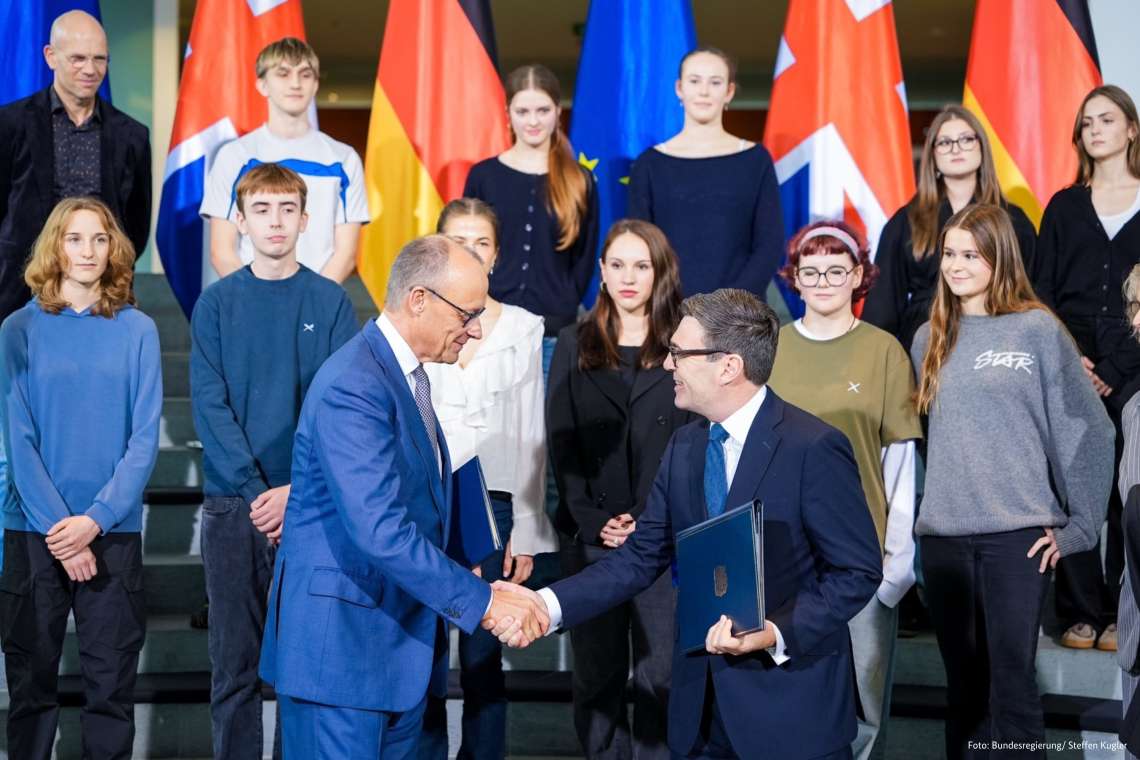
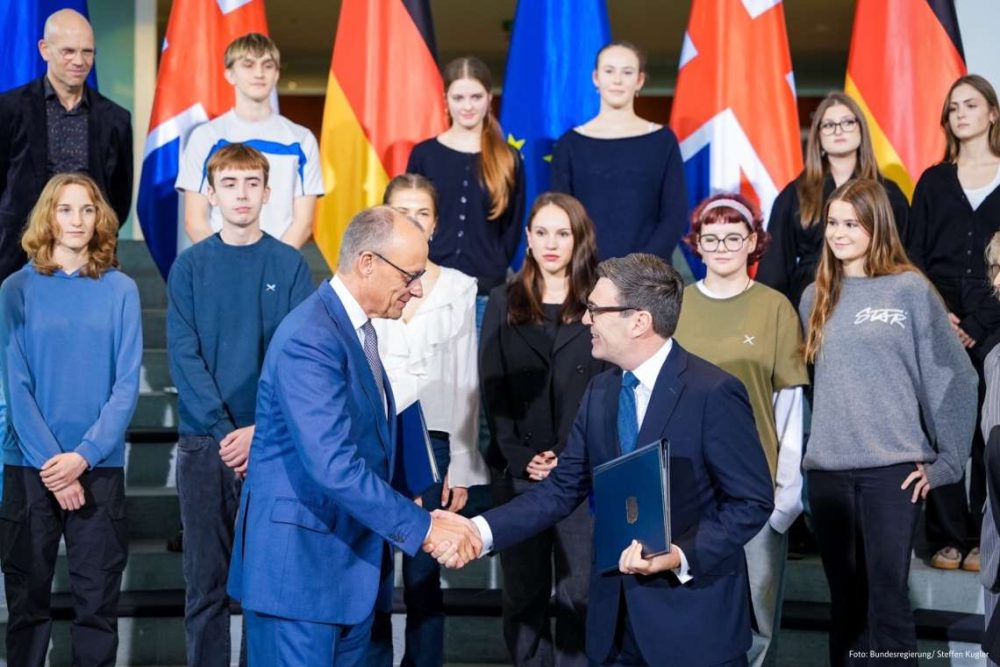
Britain and Germany ratify the Kensington Treaty, agreeing new cooperation on AI, quantum research, defence and security while targeting investment, jobs and Russian hybrid threats…reports Asian Lite News Desk Britain and Germany

Economic tide is turning in Bangladesh

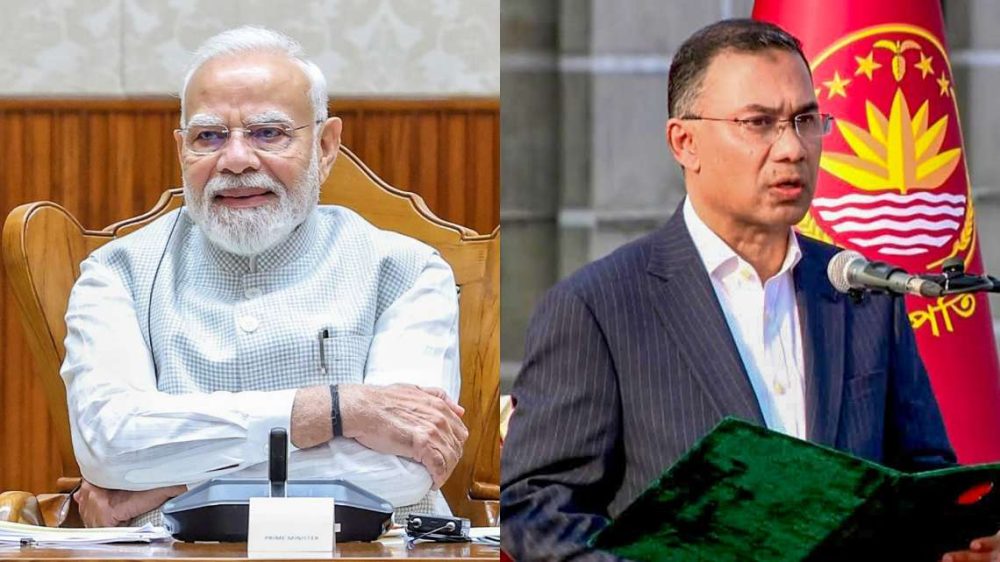
If there is one thing that can bring some comfort to the struggling Bangladeshi economy, it is good relations with India. Bangladesh should remember that Delhi’s backing, through easy supplies of essentials
Go toTop

Don't Miss

Indian plogger on mission to clean 30 UK cities in 30 days

Vivek, who is studying for a masters degree in environmental

Big Boon In Offing for Scotch-Lovers in India

It is widely believed that the customs duty on scotch