May 21, 2024
3 mins read

UK risks ‘descending into darkness’ of antisemitism, says Gove

In his speech, Gove will criticise the organisers of pro-Palestine marches, at which thousands of people regularly march through London and other cities, for not doing more to prevent symbols of anti-Jewish hate…reports Asian Lite News

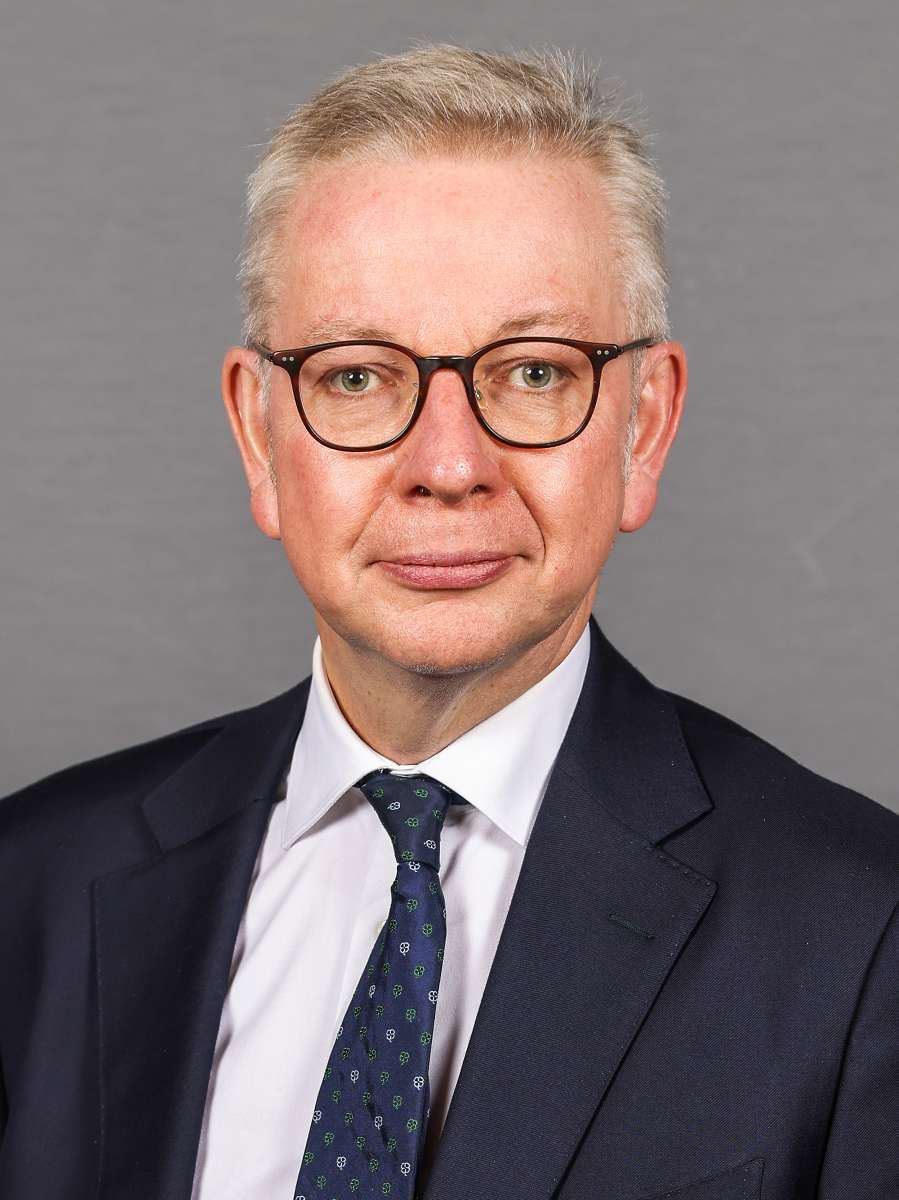
Michael Gove is to warn that Britain risks “descending into the darkness” if it fails to tackle growing antisemitism in the wake of the 7 October attacks.

In a major speech, the communities secretary will say the safety of the Jewish community in the UK is the “canary in the mine” for the health of the whole political system.

“When Jewish people are under threat, all our freedoms are threatened,” he will say on Tuesday. “The safety of the Jewish community is the canary in the mine.

“Growing antisemitism is a fever which weakens the whole body politic. There is one thing which – increasingly – unites the organisations and individuals which give cause for extremist concern: antisemitism.

A lawn full of tents, with a handmade sign in the foreground that says Divest, and red spray paint on a wall beyond the tents that says All Zionists.

“It is the common currency of hate. It is at the dark heart of their worldview. Whether Islamist, far right or hard left.”

The Community Security Trust, a charity that provides security advice to the Jewish community, recorded the highest number of antisemitic incidents in 2023, a 147% increase on the previous year. About two-thirds of the total took place after the 7 October attacks.

In his speech, Gove will criticise the organisers of pro-Palestine marches, at which thousands of people regularly march through London and other cities, for not doing more to prevent symbols of anti-Jewish hate.

“Many of those on these marches are thoughtful, gentle, compassionate people – driven by a desire for peace and an end to suffering,” he will say. “But they are side by side with those who are promoting hate. The organisers of these marches could do everything in their power to stop that. They don’t.”

The marches have been overwhelmingly peaceful, however, police made seven arrests at the latest protest in London on Saturday, including a demonstrator seen carrying a coffin with offensive language on it. The demonstration came a few days after Nakba Day, which honours the more than 700,000 Palestinians who fled or were expelled from their homes in the 1948 war.

Gove, who is regarded as one of parliament’s most pro-Israel MPs, will urge peers to back his bill banning British public bodies from boycotting Israel, a move that some Tories have said could exacerbate British community tensions amid the Israel-Hamas war.

He makes the speech before the publication of a report by the government’s independent adviser on political violence, Lord Walney, due to be released on Tuesday, which is expected to recommend a new category for proscribing “extreme protest groups”.

At the launch of his report, he will say: “It is time for the political world to catch up with the real world and view extreme protest movements as an unacceptable threat to our democracy, not an extension of it.”

Michael Gove and Boris Johnson stand behind lecterns with the sign #TakeControl during a Vote Leave campaign visit in 2016.

Walney, the former Labour MP John Woodcock who sits as a cross-bench peer, said at the weekend that hard-left groups were seeking to “undermine” Britain’s democratic principles by refusing to comply with the law.

His recommendations could mean that protest groups such as Just Stop Oil and Palestine Action, which focuses on arms companies linked to Israel, could be banned in a similar way to terrorist organisations. The sanctions could restrict a group’s ability to fundraise and its right to assembly.

The Home Office has said ministers would consider the recommendations, but it is unclear whether the government would proceed with a ban before the election. It is due to publish its counter-extremism action plan in the coming weeks.

ALSO READ-Win for Assange in case against extradition to US

Previous Story

Sri Lanka keen to join BRICS, seeks India’s backing

Next Story

Zelensky criticises slow delivery of Western aid

Previous Story

Sri Lanka keen to join BRICS, seeks India’s backing

Next Story

Zelensky criticises slow delivery of Western aid

Latest from -Top News

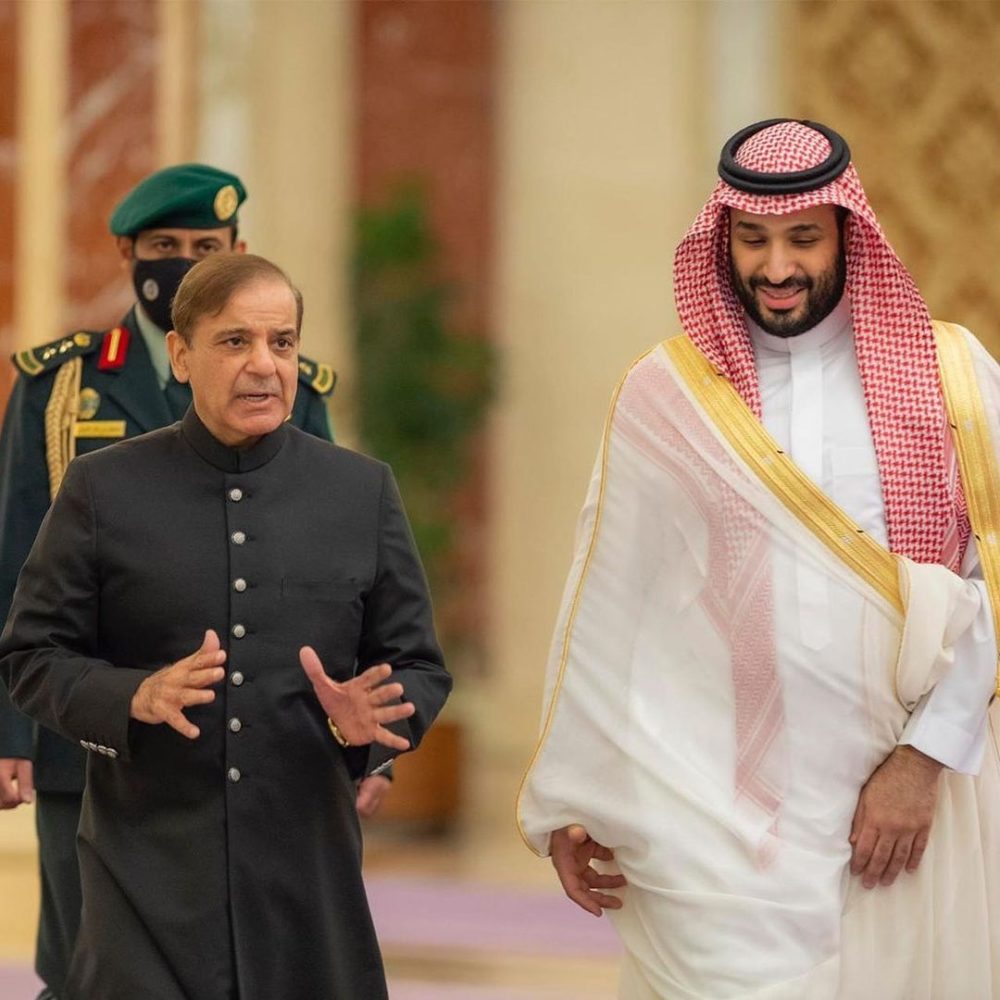
Pakistan Risks Overstretching Itself in Yemen War

Pakistan’s expanding military role in Saudi Arabia amid the Yemen conflict could strain its defence resources and fragile finances…reports Asian Lite News Desk Pakistan’s military involvement in the war in Yemen may prove unsustainable because of mounting financial pressures and competing security demands, according to a new report. Islamabad’s growing military presence in Saudi Arabia risks stretching its defence resources while exposing the country to greater strategic and economic challenges. An article by Andrew Wilson in One World Outlook describes Pakistan’s involvement as a case of “fiscal and strategic overreach”, arguing that the country lacks the financial flexibility to sustain an expanded military commitment. Pakistan’s external finances depend heavily on an International Monetary Fund (IMF) programme, financial support from Gulf countries and remittances from Pakistani workers in the region. The report argues that deeper military involvement in the conflict could place additional pressure on these sources of financial stability. It also warns that deploying troops and military equipment abroad could weaken Pakistan’s capacity to address security challenges along its eastern border and deal with two domestic insurgencies. The move could also draw Islamabad into a conflict it has sought to approach cautiously. A Reuters report in May, citing Pakistani security and government sources, said Islamabad had deployed around 8,000 troops, a squadron of approximately 16 aircraft, mostly JF-17 fighter jets, two drone squadrons and a Chinese HQ-9 air-defence battery to Saudi Arabia. According to those sources, Riyadh was financing the deployment, with Pakistani personnel operating the equipment. The sources also said a confidential agreement contemplated the possibility of deploying up to 80,000 troops. Islamabad has not confirmed those figures, although it has acknowledged its military presence in Saudi Arabia, including the deployment of fighter jets at King Abdulaziz Air Base from April. The One World Outlook article argues that Saudi financial support can cover allowances and operating expenses but cannot easily replace military equipment needed elsewhere or resolve the political and strategic challenges of participating in the Yemen conflict. Pakistan’s defence budget is another concern. For the 2026-27 financial year, the federal government allocated PKR 3 trillion, or approximately $10.8 billion, to defence services. The allocation represents an 18 per cent increase from the original PKR 2.55 trillion provision and amounts to around 2.1 per cent of projected gross domestic product (GDP). Defence spending accounts for approximately 16 per cent of the federal government’s PKR 18.8 trillion expenditure. Military pensions are budgeted separately at PKR 822 billion, while debt servicing costs stand at approximately PKR 8 trillion, more than two-and-a-half times the defence allocation. The report argues that these competing financial obligations leave little room for additional military expenditure without placing further pressure on public finances. Pakistan’s reliance on IMF assistance also limits its fiscal flexibility. The country must meet the conditions attached to the programme, including a primary budget surplus target of 2 per cent of GDP and continued restraint on development spending. According to the article, these requirements make it difficult for Islamabad to finance an additional military commitment without compromising other budgetary priorities. Pakistan’s economic indicators offer limited reassurance. Economic growth for the 2025-26 financial year is estimated at between 3.6 and 3.7 per cent, while inflation reached approximately 10.3 per cent in September following an energy price shock. Foreign exchange reserves stood at around $21.5 billion at the end of September. Although this marks an improvement from the low levels recorded in 2023, the report notes that the reserves cover only a few months of imports. Financial assistance from Gulf partners remains central to Pakistan’s external stability. The article says Islamabad holds approximately $8 billion in Saudi deposits at its central bank. In July, the State Bank of Pakistan said Riyadh had extended the maturity of $5 billion in deposits to December 2028, easing the country’s immediate external financing requirements. A further $3 billion deposit was also extended in the spring. However, the article argues that these arrangements provide temporary relief rather than long-term financial independence, particularly as regional conflict threatens the stability of the Gulf economies on which Pakistan relies. The report concludes that Pakistan faces a difficult balance between supporting Saudi Arabia militarily and preserving the financial and military resources needed to address its domestic and regional challenges.

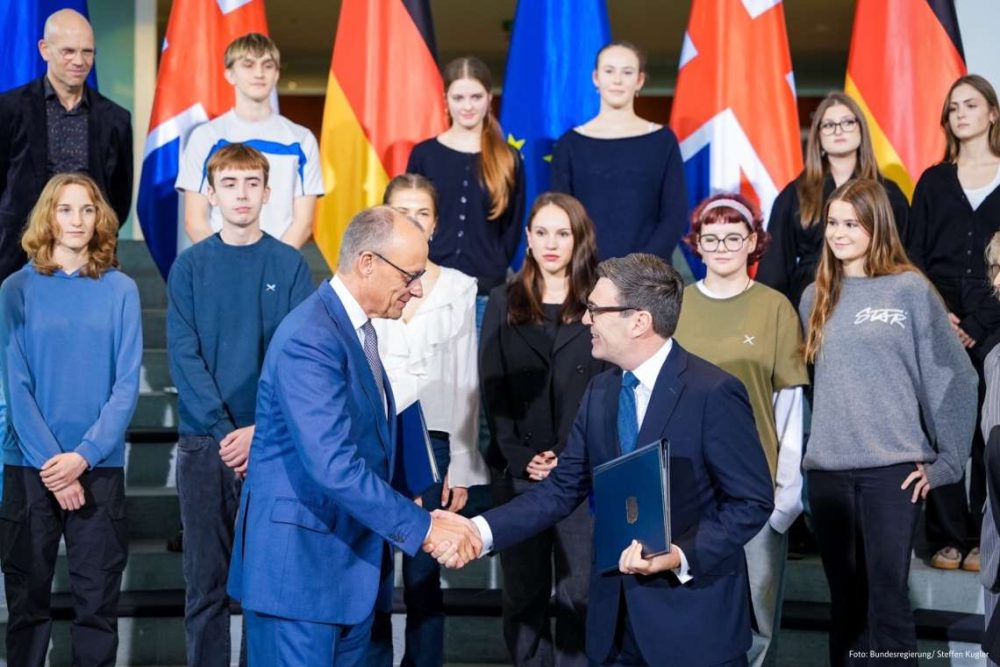
UK and Germany Ratify Kensington Treaty

Britain and Germany ratify the Kensington Treaty, agreeing new cooperation on AI, quantum research, defence and security while targeting investment, jobs and Russian hybrid threats…reports Asian Lite News Desk Britain and Germany

Economic tide is turning in Bangladesh

If there is one thing that can bring some comfort to the struggling Bangladeshi economy, it is good relations with India. Bangladesh should remember that Delhi’s backing, through easy supplies of essentials
Go toTop

Don't Miss

UK defence sector turns up in force at Aero India

This includes Air Vice-Marshal Richard Maddison of the Royal Air

Sunak declines to apologise over transgender jibe

The prime minister’s remark drew fierce criticism from opposition parties