
The government has emphasised that the new labour architecture empowers mine workers through enhanced protections and welfare while offering employers operational flexibility. This balanced approach is expected to strengthen trust, improve productivity, and create a more responsible mining ecosystem
India’s sweeping new labour reforms are reshaping the country’s mining sector, empowering lakhs of mine workers with enhanced safety measures, structured work hours, and stronger social security, while simplifying compliance norms for employers. With the government rolling out the Occupational Safety, Health and Working Conditions (OSH&WC) Code, 2020, and the Social Security (SS) Code, 2020, the industry is now experiencing a transformative shift that policymakers describe as long overdue.
Mining has long been one of India’s most critical industries, supplying raw materials that drive manufacturing, infrastructure, and energy production. It also provides substantial employment, boosts export earnings, and contributes significantly to state and central revenues. Despite its importance, the sector has traditionally grappled with hazardous conditions, outdated regulations, and inconsistent safety standards across regions.
The new Labour Codes aim to correct these long-standing issues by establishing uniform, modern, and enforceable standards across the country. According to the government, the reforms introduce a holistic framework that strengthens worker protections while offering employers greater clarity and operational flexibility. The changes mark a transition toward a more accountable and safer mining environment.
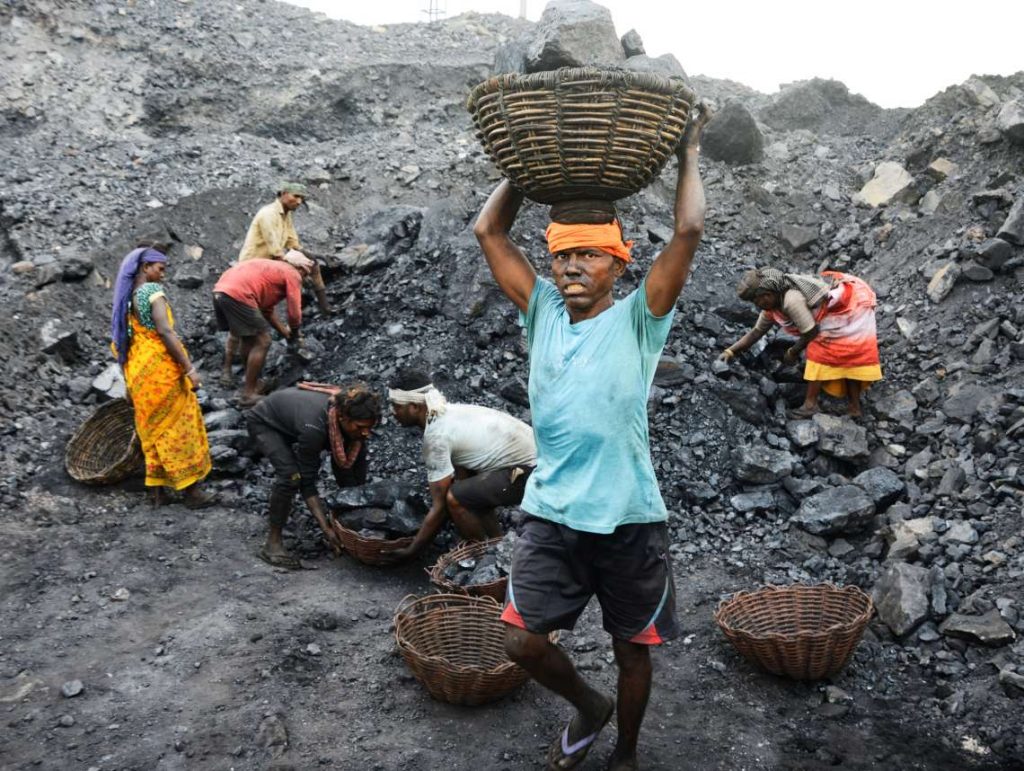
Under the new codes, working conditions undergo major improvements. Mine workers will now have regulated hours, assured rest intervals, and fair compensation provisions. The framework ensures that workloads are better distributed, reducing fatigue-related risks in an already physically demanding sector. The reforms also address welfare essentials by mandating access to sanitation, clean drinking water, medical assistance, and protective equipment in mining sites that often operate in remote and challenging terrains.
Health and safety receive particular emphasis. Annual medical examinations are now mandatory, allowing early detection of risks associated with dust, chemicals, and strenuous labour. The codes also specify a list of occupational diseases, requiring employers to maintain records and report incidences more transparently. Emergency response procedures are tightened, aiming to reduce casualties in an industry historically prone to accidents.
Social security has been significantly widened through the Social Security Code, which extends coverage under schemes such as Employees’ State Insurance (ESI) and Employees’ Provident Fund (EPF) to more categories of workers. Benefits are made portable, ensuring that miners moving between sites or employers do not lose their entitlements. Stronger insurance and pension provisions enhance long-term stability for workers and their families, addressing a major vulnerability in a sector where mobility and job insecurity are common.
For employers, the reforms bring substantial ease of compliance. The new system introduces unified registration, reducing overlapping paperwork across departments. Inspections are redesigned using risk-based criteria to make oversight more targeted and efficient. Digital filings and automated workflows aim to minimise delays, curb ambiguities, and bring transparency into regulatory processes. These changes ease administrative burdens while ensuring that safety standards remain uncompromised.
The government has emphasised that the new labour architecture empowers mine workers through enhanced protections and welfare while offering employers operational flexibility. This balanced approach is expected to strengthen trust, improve productivity, and create a more responsible mining ecosystem.
The reforms come at a crucial moment, as India’s mining sector prepares for expansion driven by rising demand for minerals essential to clean energy systems, infrastructure growth, and industrial output. With global supply chains reshaping and countries racing to secure critical minerals, India is positioning itself to become a competitive and sustainably managed mining powerhouse.
By upgrading safety protocols, improving living and working conditions, and creating a future-ready regulatory environment, the new Labour Codes lay a strong foundation for long-term growth. They signal a structural shift in how the nation values and protects its mine workers—ensuring that progress in the mining sector is both economically robust and socially responsible.