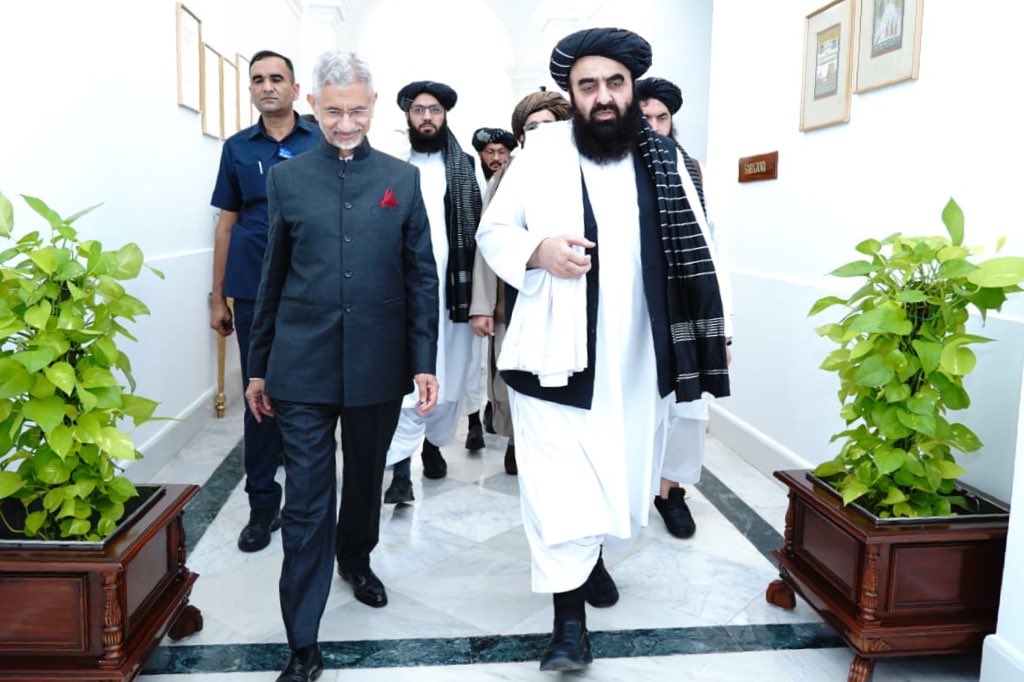
Muttaqi’s visit to New Delhi marks a cautious reopening of old ties as India balances sentiment, strategy and the realities of dealing with Afghanistan’s new rulers, writes Aravind Rajeev
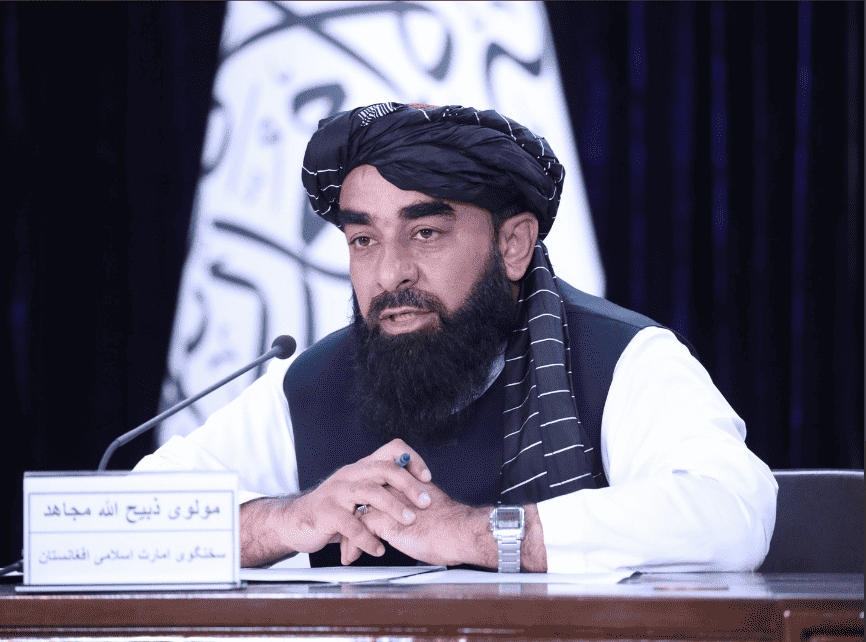
When Amir Khan Muttaqi, the Taliban-led Afghanistan’s acting foreign minister, landed in New Delhi, it wasn’t just another routine diplomatic visit. It felt, in a strange way, like the Kabooliwalla had come back. Though this time, not with almonds and raisins, but with overtures of politics and pragmatism.
In Tagore’s timeless story, the Kabooliwalla was a gentle, homesick trader from Afghanistan, who found solace in a friendship with a little girl in Calcutta. He was the human face of a faraway land, the symbol of connection between two civilisations. More than a century later, a different kind of visitor from Kabul has arrived – one carrying the baggage of geopolitics and the uncertainty of a regime still unrecognised by much of the world.
India, to its credit, has kept its approach towards the Taliban quietly measured. It hasn’t recognised their government, but it hasn’t slammed the door shut either. Food aid, medicines, wheat shipments, scholarships all continued even after the chaotic fall of Kabul in 2021. An Indian “technical mission” returned to the city in 2022, signalling that Delhi’s engagement never truly ended, it just changed form.
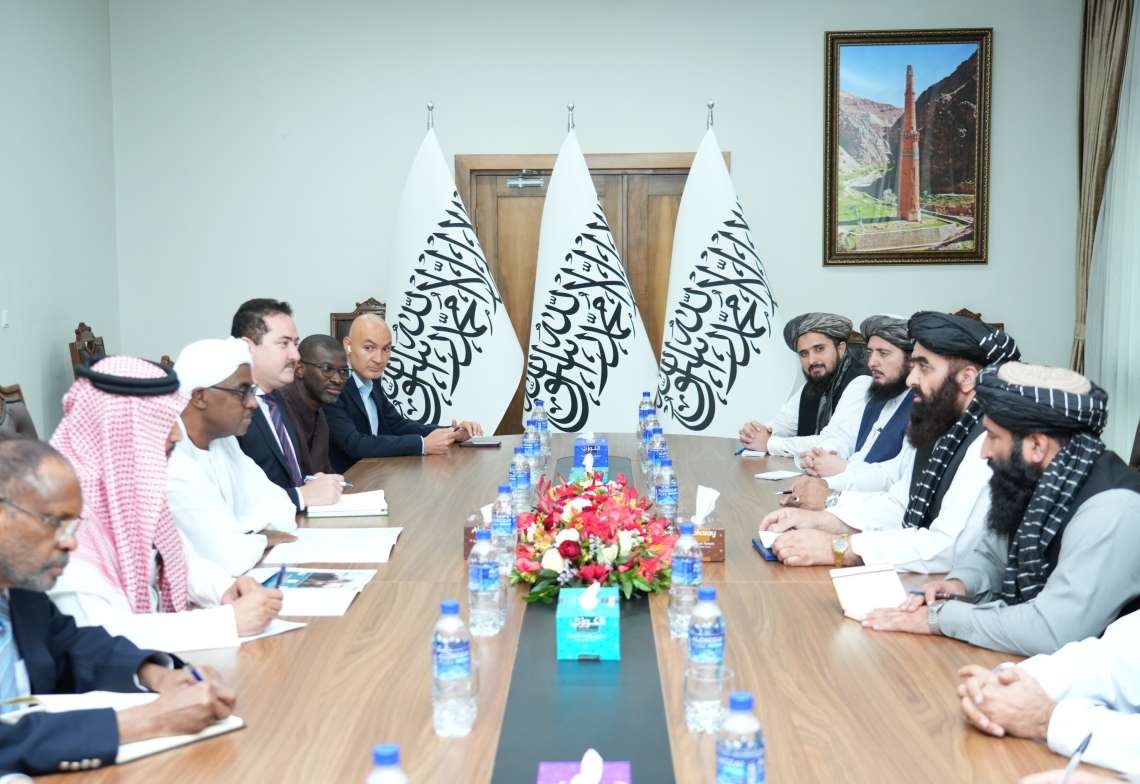
Now, with Muttaqi’s visit, the conversation moves from the shadows into daylight. For New Delhi, this is not about embracing the Taliban, but about staying in the game. Afghanistan is too close, too consequential, and too historically intertwined for India to ignore. Every regional power – including China, Iran, Russia and Pakistan – is already talking to the Taliban. India’s quiet diplomacy, therefore, is less about friendship and more about relevance.
But the symbolism is rich. The Kabooliwalla once knocked on an Indian door seeking warmth and understanding. Today’s visitor comes with diplomatic talking points and strategic calculations. The innocence of that old exchange has been replaced by the language of realpolitik. Yet the relationship, however altered, still carries emotional weight.
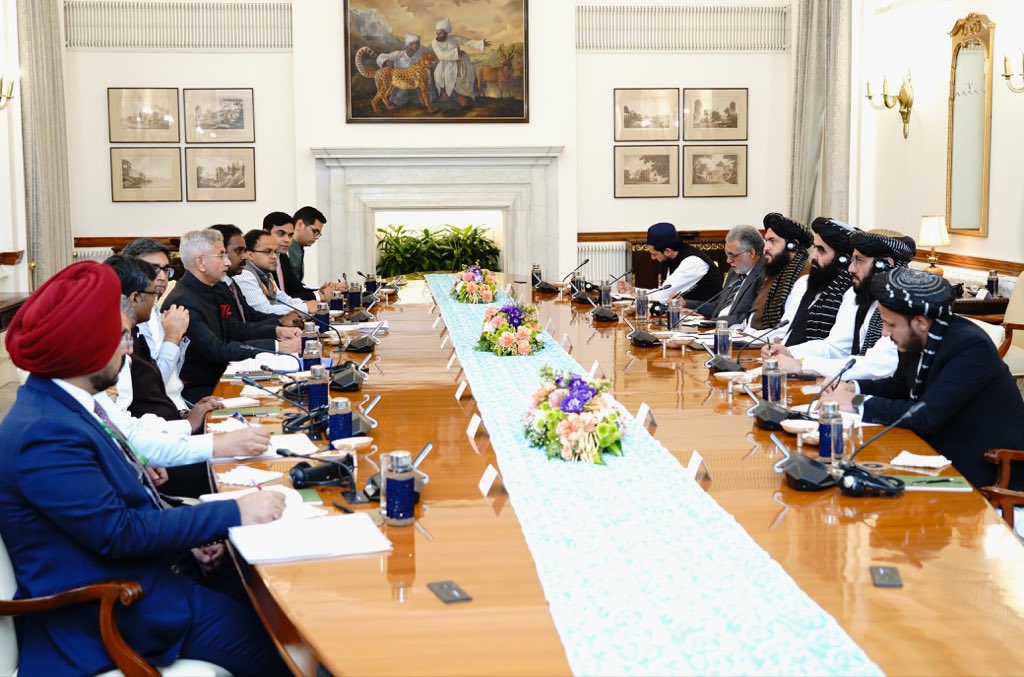
India’s motives are plain. It wants to ensure Afghan soil isn’t used by terror groups with links to Pakistan. It wants a seat at the table whenever the future of Afghanistan is discussed. And it wants to keep alive the legacy of goodwill it built through two decades of development work , such as roads, dams, schools, hospitals, that made India a trusted friend among ordinary Afghans.
The challenge is to do all this without appearing to legitimise the Taliban’s rule. Engaging does not mean endorsing. Delhi has been careful to phrase its approach as humanitarian and people-focused. No joint statements, no formal recognition, no fanfare. Just conversation. It’s the kind of nuanced diplomacy India has perfected over decades.
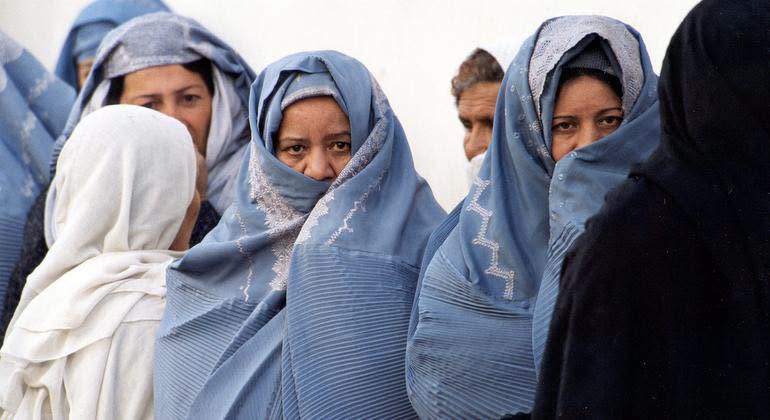
Yet outside the halls of power, the human story continues. Thousands of Afghans still live in Delhi — students, traders, families waiting for visas that may never come. For them, this visit may rekindle a faint hope that normal ties could one day resume. The Kabooliwalla still walks India’s streets, though now more as a refugee than a trader. His story hasn’t ended; it’s only become more complicated.
The larger question is what India gains from this cautious outreach. Perhaps it’s about keeping a conversation alive with a neighbour that history refuses to let it forget. Perhaps it’s about reminding the world that engagement can be principled without being naïve. Or perhaps it’s simply about preparing for the day when Afghanistan, once again, begins to rejoin the world, and India will already be there, waiting at the door.
So yes, the Kabooliwalla has returned. But this time, he brings not stories and dry fruits, but politics and caution. The warmth has faded into watchfulness, and friendship has turned into strategy. Yet somewhere beneath it all, the old connection remains — a reminder that the visitor from Kabul still knows his way to India’s heart.