Gouri Kishan’s bold response to an inappropriate question reignites debate on media sensitivity and ethical journalism…writes Shelja Pallath
Being politically correct always is not possible to an extent in the present times for everyone, especially in daily life and personal conversations. But a journalist should try their best to avoid ‘mistakes’, especially when they interact with people. All the traditional formats that were followed over the years have been reconstructed and implemented by the current system of journalism, especially with the rise and growth of online media.
A person with a mobile phone can ask anything to any celebrity or even common people by invading them in public. Some people run away from such media invasion, and some others give rapid replies to escape from the occasion. Paparazzi media invasion is part of celebrities’ lives, and it happens to famed people from all fields, but it is most popular among people from the cinema industry. Going for a movie with family or having fun with friends in a mall or park, even their gym or jogging times being focused and questioned by media, is such a peeping behaviour that cannot be justified as normalcy or part of ethical journalism.
Notably, they ask unwanted or irrelevant questions to stars at inappropriate times. Women from the industry face such questions mostly more than men. Once, actor Shine Tom Chacko had a run-and-chase experience with media holding cameras and microphones. It is not a funny thing anymore; people with mics and questions should draw a line of boundary regarding time and mode of questions with the people they interact with. A press meet and its ambience are entirely different from other kinds of invasions. But recently, questions in press meets also lack quality and clarity.
Actress Gouri Kishan publicly called out a ‘body-shaming question’ from a journalist in a press meet, in which her co-star questioned Gouri’s body weight referencing a scene where she is lifted. She labelled that question as ‘stupid’ and challenged its relevance to the film. Many from the industry and the public praised her for confronting body shaming. Even other panelists remained silent at that moment, and later the co-star also apologized for staying frozen.
Body shaming takes similar forms across contexts, including tabloid write-ups and online trolling. But the responses vary according to people. Some celebrities call it out and spark debate, while some others internalize the harm. Body shaming is not a new thing; it has happened throughout history, everywhere in the world, but it is amplified by social media and made instant responses possible.
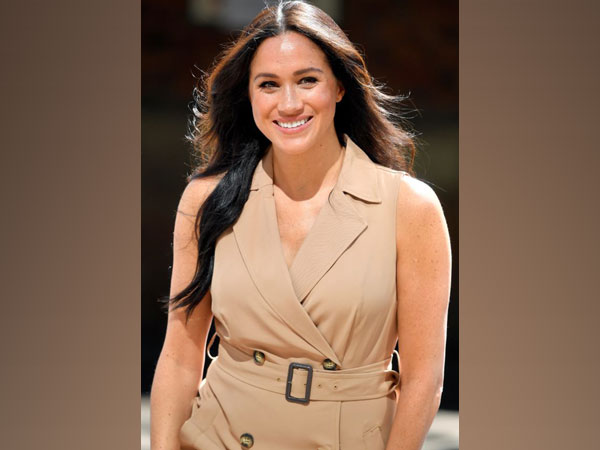
There are well-documented cases over the years where public figures, especially women in film and other respected areas, were body-shamed by the press and other forms of media. Meghan Markle, the Duchess of Sussex, has been subject to relentless tabloid commentary about her body and looks. Criticisms were about her legs, outfits, and even wardrobe malfunctions. Gal Gadot, the Wonder Woman actress, addressed critics who said she was not ‘curvy’ enough for the role.
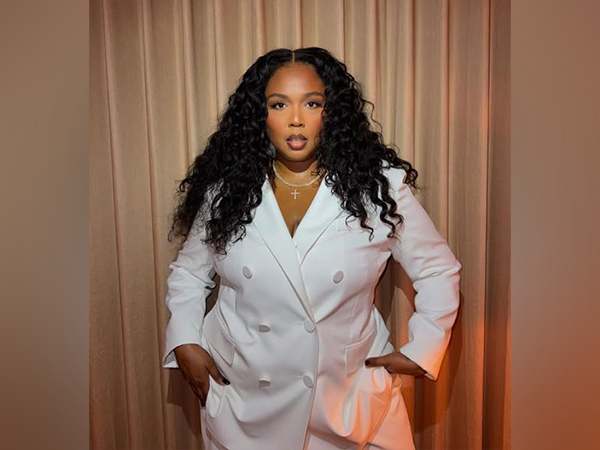
Well-known pop star Lizzo has been repeatedly body-shamed for her plus size, but she turned many attacks into outspoken moments. Actresses Raveena Tandon and Priyanka Chopra are very familiar to the Indian audience. Raveena recently recalled that she was body-shamed by gossip magazines calling her ‘thunder thighs,’ which shows how cruel body narratives are followed by the media. Priyanka also opened up regarding the industry expectations and the pressure it imposed during her early career. Actresses in every industry are trolled or written about as ‘too thin’ or ‘too fat.’ These are not isolated incidents but a systematic issue to be addressed.
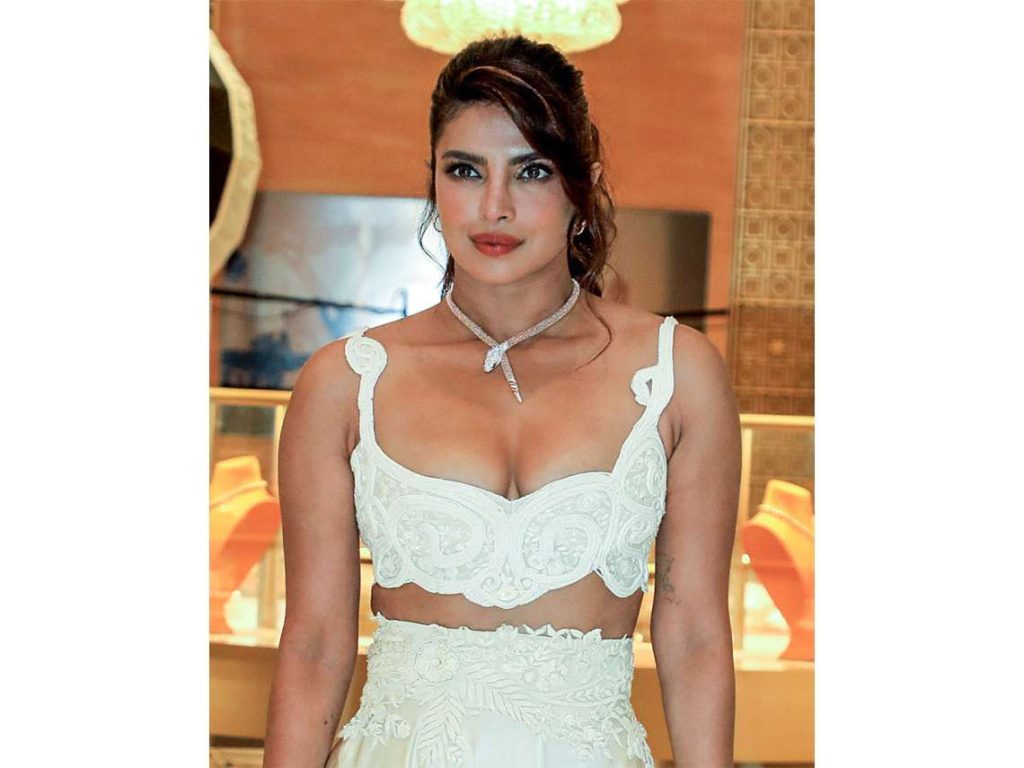
South Indian actress Sanusha once posted on social media, ‘You don’t exist solely to lose weight and be pretty,’ in response to Instagram trolls that repeatedly commented on her weight. As she noted, people never remember that when they point two fingers at a person, the other three fingers are pointed towards them, who aren’t perfect either.
Even anonymous trolls and direct remarks about appearances and expectations of certain body types reflect the same on the mental health of the people who are targeted. Even a silly comment can create sleepless nights for them. We should understand that public figures are not ‘public property.’ Their bodies are not open for comments. Ethical journalism recognises their right to dignity and privacy like all others. Reporters can ask about appearance-related questions only if it is relevant to the related film or role. Editorial relevance is very important; they must avoid framing bodies as ‘news’ for sensational curiosity.
Ethical media language also avoids judgment on appearance. They should be mindful of implied bias. Instead of amplifying abusive comments, they can challenge public trolling responsibly. A balance of freedom of expression with empathy is very important to set industry standards. The tone of coverage shapes audience attitudes. Remember, ethical media avoids content that worsens stigma or psychological distress.