South Asia faces a widening dengue crisis as Punjab battles underreporting allegations, Afghanistan sees a surge in suspected cases and Bangladesh records mounting deaths, straining public-health systems….reports Asian Lite News
South Asia is confronting a renewed and severe dengue surge, with Pakistan’s Punjab, eastern Afghanistan and Bangladesh all reporting escalating caseloads and increased pressure on health systems. The situation is especially critical in Pakistan’s Punjab province, where insiders and public-health specialists allege that the true picture of the outbreak is being deliberately concealed by authorities despite a sharp rise in infections and mounting deaths.
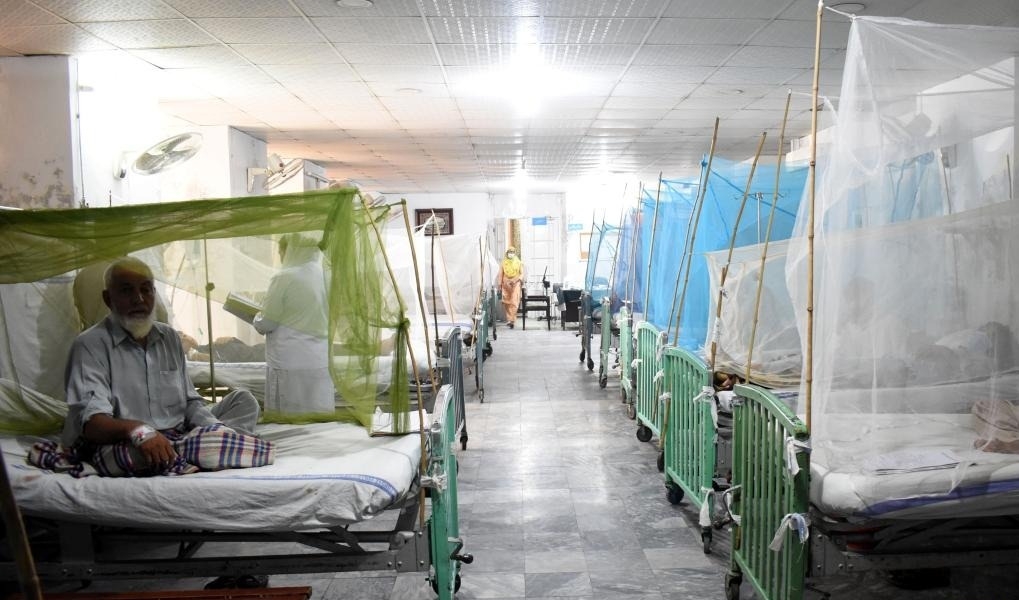
According to Dawn, dengue has gripped large parts of Punjab’s southern belt, with Multan and Faisalabad emerging as the worst-affected districts. This surge runs counter to earlier claims by the provincial health department that the outbreak was “fully under control”. Medical workers in South Punjab report that the number of dengue-positive patients has multiplied nearly tenfold in recent weeks, overwhelming facilities, exhausting supplies of critical medicines and stretching medical staff thin.
Doctors and senior health experts allege that dengue-related deaths—several of them occurring in Multan’s major government hospitals—are being kept off official records. Officials responsible for uploading fatalities onto the dengue surveillance dashboard have allegedly been instructed not to report them. A health specialist told Dawn that district commissioners and district health authority CEOs have pressured field officers to conceal both mortality data and rising positivity figures to avoid political backlash.
One case drawing widespread concern is that of Mohammad Imran, a young security guard. Experts allege that the diagnostic process in his case was intentionally delayed. The NS1 test—critical in the first few days of fever—was sent for analysis on Day 9, by which time WHO guidelines note its sensitivity drops sharply. Although the test returned a negative result, later diagnostics confirmed he was dengue-positive. Imran died after severe internal bleeding as his platelet count plunged to 6,000. His death, doctors say, is emblematic of both delayed care and systemic underreporting.
Hospitals in Multan, including Nishtar Hospital, have overflowed with dengue patients, leaving staff with no option but to shift cases to general medical wards. District headquarters hospitals are also filled to capacity, with patients sharing beds and shortages reported in platelet transfusion supplies.
The Dengue Expert Advisory Group (DEAG) has formally warned the Punjab government of “serious lapses” in prevention, surveillance and vector control. DEAG Chairperson Prof Dr Muhammad Khurram flagged a steep rise in cases across Multan, Faisalabad, Kasur, Sahiwal, Rahim Yar Khan and Attock, urging immediate corrective measures. Experts argue that anti-dengue operations were launched far too late in the season and that administrative failures have contributed significantly to the worsening outbreak.
While Pakistan deals with underreporting claims, neighbouring Afghanistan is also witnessing a significant rise. The World Health Organisation has confirmed more than 1,000 suspected cases in eastern Afghanistan’s Nangarhar province in November alone, according to The Khaama Press. Although no deaths have been reported so far, WHO warned that the spike warrants close monitoring, particularly given the country’s limited diagnostic infrastructure and ongoing humanitarian challenges.
Bangladesh, meanwhile, continues to face one of its worst dengue years in recent memory. Six more people died in the 24 hours till Wednesday morning, pushing the nationwide 2025 death toll to 349, according to the Directorate General of Health Services (DGHS). In the same period, 788 new patients were admitted to hospitals, taking the total number of cases this year to 87,712.
The latest fatalities were from Rajshahi Division and across Dhaka North City Corporation areas. Bangladesh recorded 575 dengue deaths in 2024, along with more than 101,000 cases. With this year’s numbers already nearing those levels, authorities fear the situation may worsen unless preventive measures intensify.
Bangladesh’s Ministry of Health has issued renewed advisories urging early medical consultation at the onset of fever, proper dengue testing as advised by doctors, and aggressive elimination of stagnant water in homes, schools and construction sites—prime breeding grounds for the Aedes mosquito. The advisory stressed the importance of using mosquito nets even during the day, given that Aedes mosquitoes are daytime biters, and warned citizens against ignoring symptoms even after apparent recovery.
Taken together, the developments across Pakistan, Afghanistan and Bangladesh signal a region-wide dengue acceleration driven by poor surveillance, climate-linked mosquito proliferation and delayed public-health interventions. Experts warn that unless governments strengthen reporting systems, intensify vector control and boost early diagnostic access, the current outbreak could deepen further in the coming weeks.