In a separate study, astronomers using NASA’s James Webb Space Telescope (JWST) have detected 138 previously unknown small asteroids in the main asteroid belt between Mars and Jupiter.
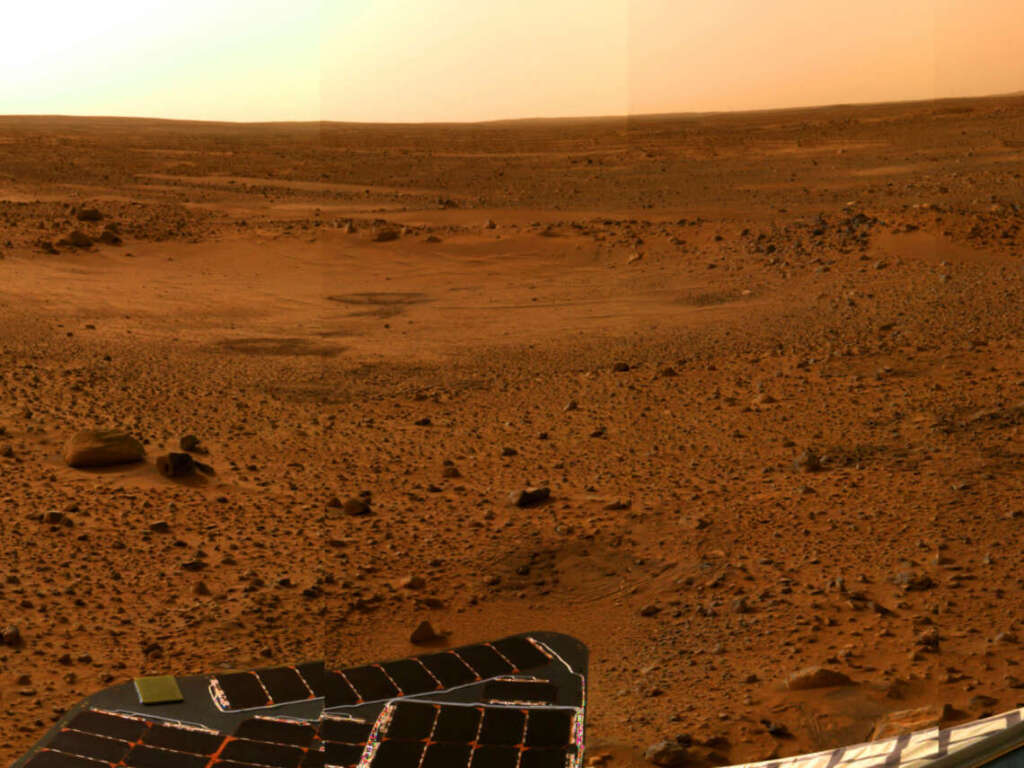
Scientists are developing a device that could lure extraterrestrial microbes hiding on Mars, using a key amino acid found in human blood. The device, designed to be sent to the Red Planet, would contain L-serine, a compound known to attract bacteria that thrive in extreme conditions on Earth.
NASA researchers have detected L-serine and similar amino acids in meteorites, raising the possibility that such compounds could be used to detect alien life. Max Riekeles, a former aerospace engineer and researcher at the Technical University of Berlin, stated that this approach could offer a simple method for searching for life on future Mars missions.
Meanwhile, in a separate study, astronomers using NASA’s James Webb Space Telescope (JWST) have detected 138 previously unknown small asteroids in the main asteroid belt between Mars and Jupiter. The discovery was made using an image processing technique called “shift and stack,” which helps detect faint objects by combining multiple images.
This breakthrough provides valuable insight into the formation and evolution of asteroids, many of which are nudged into Earth’s neighborhood by gravitational forces from Mars and Jupiter. Near-Earth asteroids have played a significant role in shaping planetary geology and could pose potential threats in the future.
The study also highlights how exoplanet research can yield unexpected discoveries within our solar system. Scientists believe that refining these detection techniques could enhance planetary defense efforts by tracking smaller asteroids before they become potential hazards.
Researchers emphasize that the exceptional sensitivity of JWST allows for unprecedented observations of small celestial bodies, shedding light on their composition and behavior. The findings contribute to a better understanding of asteroid populations and their impact on planetary systems.