India and the world closed 2025 amid major geopolitical realignments, economic disruption and significant scientific milestones…reports Asian Lite News
The year 2025 will be remembered as one of defiance, disruption and discovery, as domestic events in India intersected with profound shifts in the global order. If 2024 was defined by elections across continents, 2025 emerged as a year in which alliances were tested, trade routes were reshaped and long-standing assumptions were challenged. From a brief but intense military confrontation on India’s borders to a surge in scientific ambition and sporting success, the year reflected both volatility and resilience.
The most consequential moment for India came in May with Operation Sindoor, a four-day military confrontation following a terror attack in Pahalgam on April 22 that killed 26 people. In response, India launched precision strikes against what it described as terror infrastructure in Pakistan. The strikes triggered the most serious aerial and border clashes in years before a ceasefire was reached on May 10. The episode dominated domestic politics, strained regional diplomacy and sharpened global attention on South Asia’s security dynamics.
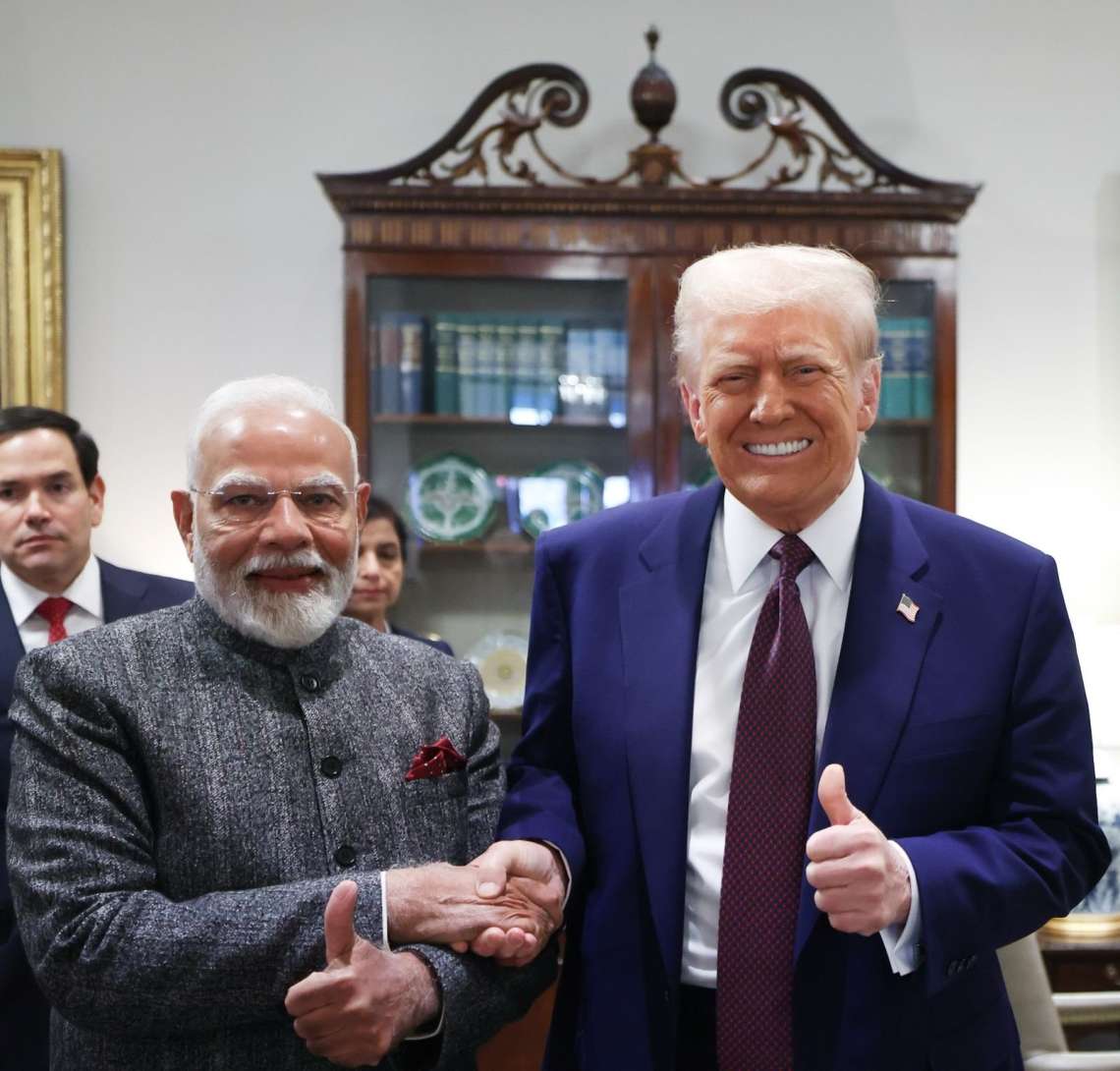
Economic policy shocks soon followed on the international front. In August, the administration of US President Donald Trump announced a sharp increase in tariffs on Indian goods, raising duties to 50 per cent. The move combined a 25 per cent “reciprocal” tariff with an additional 25 per cent penalty linked to India’s continued imports of Russian oil. The measures sent ripples through Indian export industries and contributed to broader global concerns about a renewed era of protectionism.
The impact across sectors was uneven. Labour-intensive industries such as textiles, gems and jewellery, and leather manufacturing faced cancellations and declining orders, with Tiruppur’s garment cluster alone reporting losses of around Rs 7,000 crore in winter export orders. By contrast, pharmaceuticals, semiconductors and electronics were largely shielded from the tariffs due to US supply-chain considerations. Indian smartphone exports rose by more than 50 per cent over the year, underscoring the sector’s growing global role.
As pressure from Washington mounted, New Delhi pursued a more pragmatic diplomatic posture. At the Shanghai Cooperation Organisation summit in Tianjin, India and China signalled a cautious effort to stabilise ties, focusing on trade diversification and border management despite unresolved disputes. At the same time, India increased energy imports from the United States in an attempt to negotiate relief from the steep tariffs.
By the end of the year, India had also crossed a major economic milestone, overtaking Japan to become the world’s fourth-largest economy. The achievement came despite global uncertainty driven by trade wars, slowing growth in advanced economies and political change in Europe and the United States. Analysts pointed to strong domestic demand, infrastructure spending and the continued expansion of manufacturing and services as key drivers.
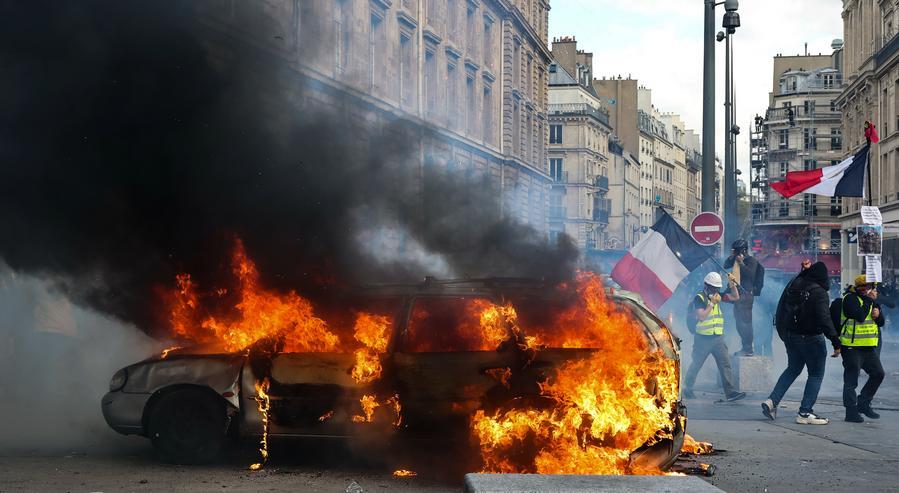
Alongside strategic and economic developments, 2025 was marked by a series of tragedies that raised questions about public safety and infrastructure. Several deadly crowd crushes occurred, including at the Maha Kumbh Mela in Prayagraj in January, New Delhi Railway Station in February and during celebrations following Royal Challengers Bengaluru’s IPL victory parade in June. Each incident prompted official inquiries and renewed debate over crowd management at large public events.
Aviation safety came under intense scrutiny after Air India flight AI 171 crashed shortly after take-off from Ahmedabad on June 12, killing all 242 people on board. The disaster ranked among the deadliest air accidents in Indian history and led to a comprehensive review of safety protocols and oversight mechanisms.
The year also highlighted the growing importance of cyber security. During the May military crisis, India faced a surge in cyberattacks, including a 19-hour distributed denial-of-service attack on the President’s website and multiple attempts to probe the national power grid. Officials described the incidents as part of a broader pattern of cyber warfare accompanying conventional conflicts.
In science and technology, 2025 proved to be a milestone year for the Indian Space Research Organisation. ISRO marked its 100th launch from Sriharikota on January 29, reinforcing India’s position as a reliable launch provider despite technical issues encountered by the NVS-02 satellite. In April, the agency successfully demonstrated autonomous docking and undocking in space, a critical capability for future space station plans.
India’s human spaceflight ambitions advanced in June when Shubhanshu Shukla became the second Indian national to travel to space as part of the Axiom-4 mission to the International Space Station. In July, the joint ISRO-NASA NISAR satellite was launched, highlighting sustained scientific cooperation between India and the United States even as trade tensions persisted. On December 24, India launched the BlueBird Block-2 communications satellite aboard its LVM3-M6 rocket, contributing to a global low-earth-orbit constellation aimed at expanding direct-to-mobile connectivity.
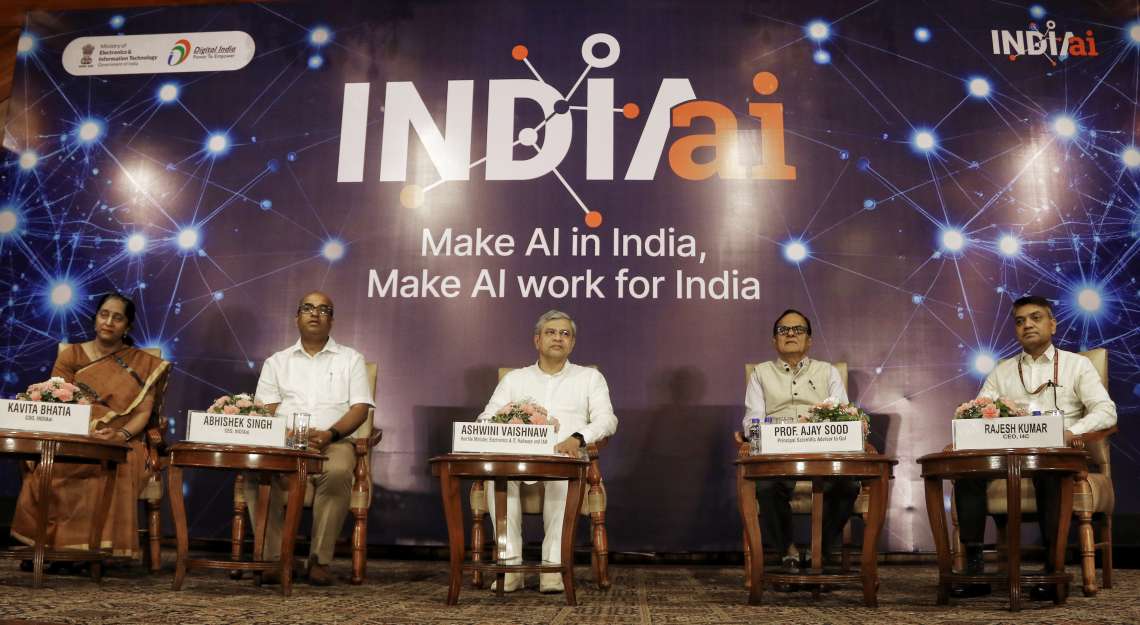
Domestically, Parliament passed the SHANTI Bill, opening the nuclear energy sector to private participation for the first time, a move officials said was intended to accelerate clean energy capacity and investment.
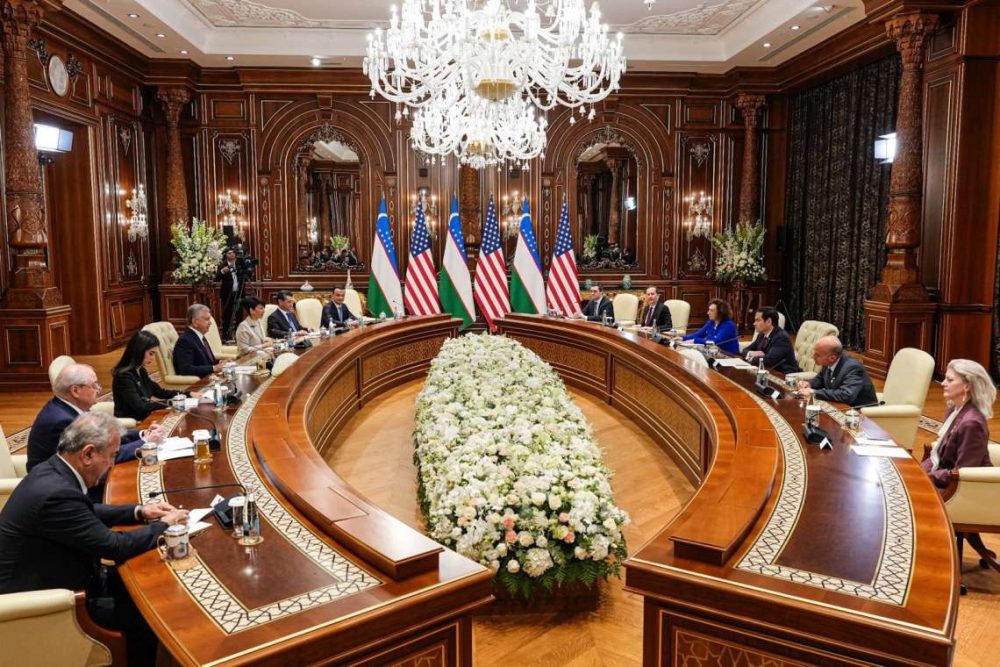
Diplomatically, the year ended with Russian President Vladimir Putin’s visit to India on December 4 and 5 for the 23rd India-Russia Annual Summit. Talks with Prime Minister Narendra Modi focused on trade, energy, defence and technology, with both sides committing to deepen cooperation and outline a roadmap for relations through 2030.
Taken together, 2025 reflected a world in transition and an India navigating heightened risk alongside expanding ambition, as conflict, cooperation and innovation shaped a year that will leave a lasting imprint on national and global affairs.