AU warns against foreign meddling as conflict in Sudan deepens, with fresh attention on peace efforts across the continent…reports Asian Lite News
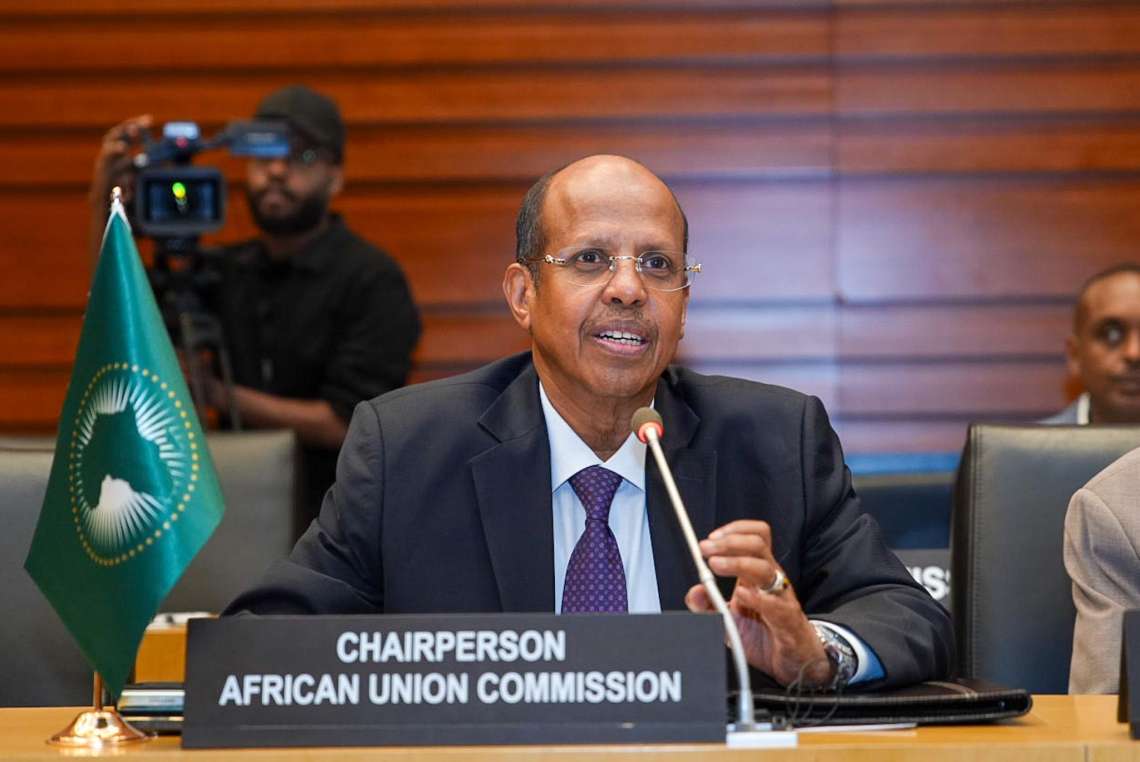
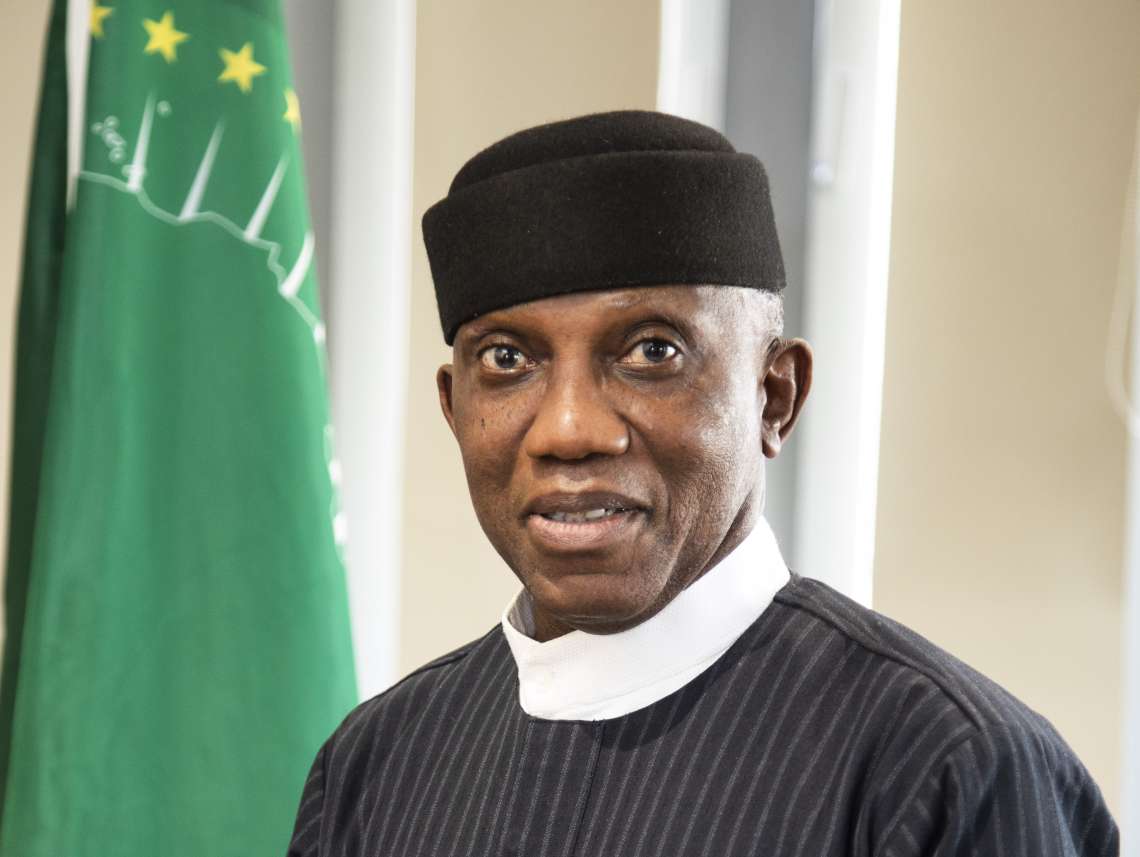
The African Union Commission has issued a pointed warning against foreign interference in African conflicts, using the war in Sudan as a stark example of how external actors, shifting geopolitical alliances and arms flows are complicating attempts to stabilise the region. Speaking in Addis Ababa, Commissioner for Political Affairs, Peace and Security Bankole Adeoye said the AU must be the primary broker of peace on the continent, insisting that any negotiated settlement in Sudan or elsewhere must be led from within Africa. His remarks come as London-based diplomats, humanitarian organisations and Sudanese diaspora groups intensify calls for a more coherent international strategy, amid fears that the conflict is accelerating one of the world’s largest humanitarian catastrophes.
Adeoye told journalists that the AU “does not believe anyone should be interfering in or fueling the crisis that is already ongoing in parts of the African continent”, condemning “unequivocally all forms of external interference in Sudan or in any part of our continent”. The call has resonance in London, where officials at the Foreign, Commonwealth and Development Office have been facing renewed scrutiny over the UK’s role in Sudan policy, including its influence over sanctions, engagement with regional powers and support for mediation. The UK hosts one of the largest Sudanese communities in Europe, many of whom have been pressing ministers to take a firmer line against states accused of supplying arms, intelligence or funding to the warring parties.
Adeoye stressed that the AU must remain central in designing structural solutions that can deliver sustainable peace. In comments reported by Xinhua, he said Africa’s security crises have become increasingly complex, requiring long-term approaches rather than short-term stabilisation. His remarks align with concerns raised by London-based security analysts who argue that the proliferation of foreign actors in African conflict zones — from mercenary networks to Middle Eastern and European states — is eroding local institutions and undermining diplomatic efforts.
The commissioner described the humanitarian situation in Sudan as “appalling”, with the conflict displacing millions and leaving vast parts of the country cut off from food, medicine and basic services. Aid agencies operating out of London, including British NGOs coordinating relief from the capital, have been warning for months that the crisis could soon surpass existing humanitarian response capacity. Many have appealed for clearer corridors for aid delivery and more support for Sudanese civilians attempting to flee the fighting.
Adeoye said the AU is “working relentlessly to make peace happen in Sudan” and emphasised that its objective is far more ambitious than securing temporary relief. “Our goal is not just a humanitarian ceasefire. It is a comprehensive, unconditional, and all-out ceasefire,” he said. London-based diplomats note that while the UK has backed AU-led negotiations, the fractured nature of the Sudanese conflict — with numerous commanders, militias and external patrons — makes progress extremely difficult.
Beyond Sudan, Adeoye provided a wider overview of political tensions across the continent. On Madagascar, he said the country is currently experiencing relative peace, with the AU’s Panel of the Wise engaging with national authorities to support a return to constitutional order. “We are hoping and calling on Madagascar to come up with a credible road map to undertake a genuine political transition and bring about constitutional order,” he said. London analysts following developments in Madagascar point out that the UK has maintained a steady but low-profile diplomatic presence there, with political stability seen as key for regional maritime security in the Indian Ocean.
Adeoye also welcomed the Doha Framework for a Comprehensive Peace Agreement signed between the government of the Democratic Republic of the Congo and the March 23 Movement rebel group, commonly known as M23. “All these agreements really mean a lot to the African Union and the African Union has been a partaker of these processes. We commend our partners who have been working with us to make peace happen in eastern DRC,” he said. Britain has played a notable role in donor support to the DRC and has worked through multilateral channels to encourage de-escalation in the region. The conflict in eastern Congo remains a major focus for UK humanitarian groups, which have repeatedly highlighted the impact of militia violence, displacement and resource exploitation on civilian populations.
The AU’s broad message — that peace efforts must be driven by African agendas and shielded from foreign interference — is likely to continue shaping discussions in London’s foreign policy circles. The UK increasingly relies on coordination with African-led initiatives, particularly as its post-Brexit foreign strategy places greater emphasis on bilateral and regional partnerships across the continent. However, critics within the Sudanese and Congolese diaspora communities in Britain argue that Western states, including the UK, must go further by discouraging allies from exacerbating conflicts through covert support for armed groups.
As international attention shifts between multiple overlapping crises, Adeoye’s remarks underline the AU’s attempt to reassert political leadership and steer negotiations back towards African-led frameworks. For London, the message reinforces the need to balance diplomatic engagement with respect for the AU’s evolving role — and to acknowledge the limits of external influence in resolving conflicts driven by domestic grievances, political rivalries and longstanding regional dynamics.