The warning has raised concerns about tourism and exchange programmes between the two Asian neighbours…reports Asian LIte News
Chinese authorities have urged their citizens to avoid travelling to Japan for the time being, citing what they describe as growing security risks following recent remarks by Japanese Prime Minister Sanae Takaichi on Taiwan, NHK World reported on Friday. The late-night advisory from China’s Foreign Ministry claimed that Takaichi’s comments had “damaged the atmosphere of mutual exchanges” and potentially jeopardised the “lives and physical safety of Chinese nationals in Japan.” Chinese travellers already in the country were advised to stay alert to local security conditions.
The warning has raised concerns about tourism and exchange programmes between the two Asian neighbours. Japan’s National Tourism Organisation reported that 7.48 million Chinese travellers visited Japan between January and September this year, the highest number from any country or region, underscoring China’s importance to Japan’s tourism economy. Analysts say the advisory could dampen travel demand at a time when Japan is relying on tourism recovery to support its post-pandemic economy.
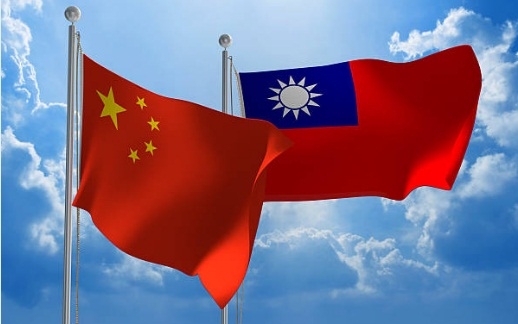
China’s move came a day after Beijing lodged a strong protest with Tokyo over Takaichi’s remarks. According to Global Times, Chinese Vice Foreign Minister Sun Weidong summoned Japan’s Ambassador Kenji Kanasugi, accusing the new prime minister of making “erroneous” and “provocative” comments on Taiwan. Beijing’s reaction underscores its sensitivity to statements that imply Japan could play a role in a potential Taiwan Strait conflict.
According to China’s Foreign Ministry, Sun reproached Takaichi for suggesting earlier this month that a military emergency in the Taiwan Strait could pose a threat to Japan’s survival—a comment Beijing says signals possible Japanese involvement in a cross-Strait conflict. Sun called the remarks “extremely serious,” saying they violated the one-China principle, constituted interference in China’s internal affairs and contradicted long-standing political documents guiding China-Japan relations. He added that such comments “deeply hurt the feelings of the 1.4 billion Chinese people.”
Beijing also noted the symbolic significance of 2025, marking the 80th anniversary of both the victory in the Chinese People’s War of Resistance Against Japanese Aggression and the restoration of Taiwan. Chinese officials warned Japan against taking actions they believe obstruct China’s efforts toward “national reunification,” reiterating that Taiwan remains at the core of China’s territorial claims.
Foreign Ministry spokesperson Jian Lin reinforced China’s position on Friday, stating, “Taiwan is China’s Taiwan. How to resolve the Taiwan question and achieve reunification is China’s own affair, which doesn’t tolerate any foreign interference.” He added that China “must and will achieve reunification.”
Takaichi’s earlier comments on a potential Taiwan emergency immediately heightened tensions with Beijing, drawing widespread attention within both countries. Her assertion that such a scenario could be considered a situation threatening Japan’s survival has also triggered domestic unease, particularly among those wary of Japan being drawn into a regional military conflict.
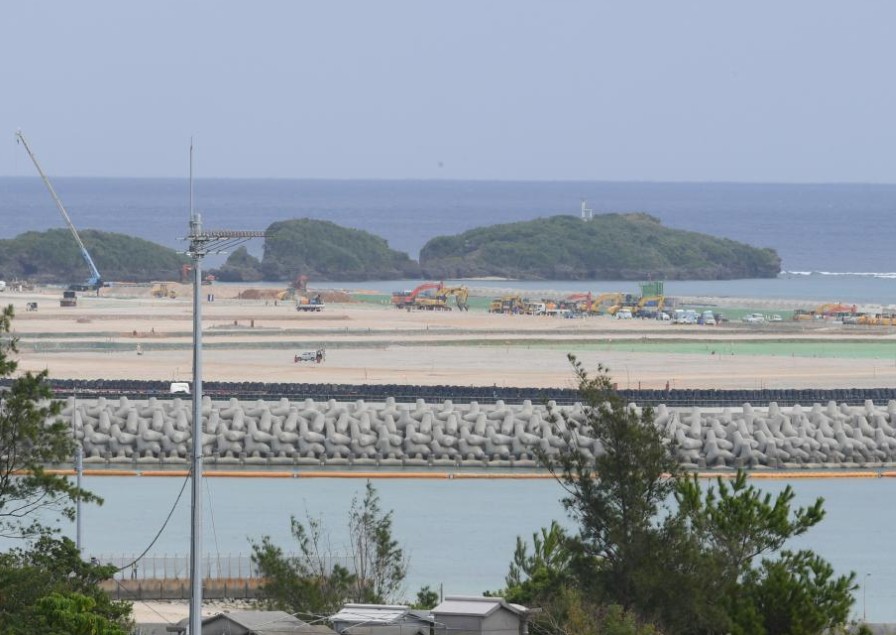
Meanwhile in Tokyo, fears of escalating militarisation echoed strongly at a seminar led by anti-base and anti-war groups from Okinawa Prefecture. More than 230 participants—including Japanese parliamentarians, members of the Okinawa Prefectural Assembly and representatives from communities across Okinawa—gathered on Friday to voice deep concern over the Japanese government’s ongoing military expansion in Okinawa and the southwestern islands.
Mizuho Fukushima, leader of the Social Democratic Party, criticised Takaichi’s view of a potential “Taiwan contingency” as a “survival-threatening situation,” calling the stance “completely illogical,” according to Xinhua news agency. She warned that not only Okinawa, but also Kyushu, western Japan and other regions are increasingly becoming military strongholds. Fukushima urged Japanese society to resist steps that heighten the risk of war, stressing the need to halt what she described as a dangerous shift in national security policy.
Former Ginowan City mayor and current House of Councillors member Yoichi Iha also denounced the government for “inciting a critical situation,” arguing that Japan is becoming more dependent on US military bases while accelerating its own defence buildup. Iha warned that these actions are raising tensions rather than enhancing security.
Concerns were further amplified by Yukako Sonan, a representative of a citizens’ group from Miyako Island in Okinawa. She pointed out that small islands often have civilian and Japanese Self-Defence Forces facilities located in close proximity, making it difficult to distinguish between them. In the event of a conflict, she said, ordinary residents would inevitably face severe risks.
Participants at the seminar stressed that the southwestern islands and surrounding regions are at increasing risk of becoming frontline areas in a future conflict, particularly amid rising tensions surrounding Taiwan. They urged the Japanese government to prevent further deterioration in the regional security environment and to prioritise the safety and wellbeing of local communities.
As both diplomatic and domestic anxieties mount, relations between China and Japan remain strained, with the repercussions of Takaichi’s remarks reverberating across political, social and security spheres. The latest warning from Beijing adds further uncertainty to bilateral ties at a time when regional stability in East Asia faces mounting challenges.