UAE cements its space ambitions in 2025 with new satellites, lunar partnerships and deep-space missions, strengthening its role as a global hub for space science…reports Asian Lite News
The United Arab Emirates marked 2025 as a defining year for its space programme, advancing a series of ambitious projects that reinforced its standing as a global centre for advanced technology, scientific research and space exploration.
Over the course of the year, the country expanded its orbital infrastructure, deepened international partnerships and accelerated its transition towards an innovation-driven, knowledge-based economy. These efforts translated into tangible milestones across satellite development, lunar exploration and deep-space science, placing the UAE among a small group of nations shaping the future of space activity.
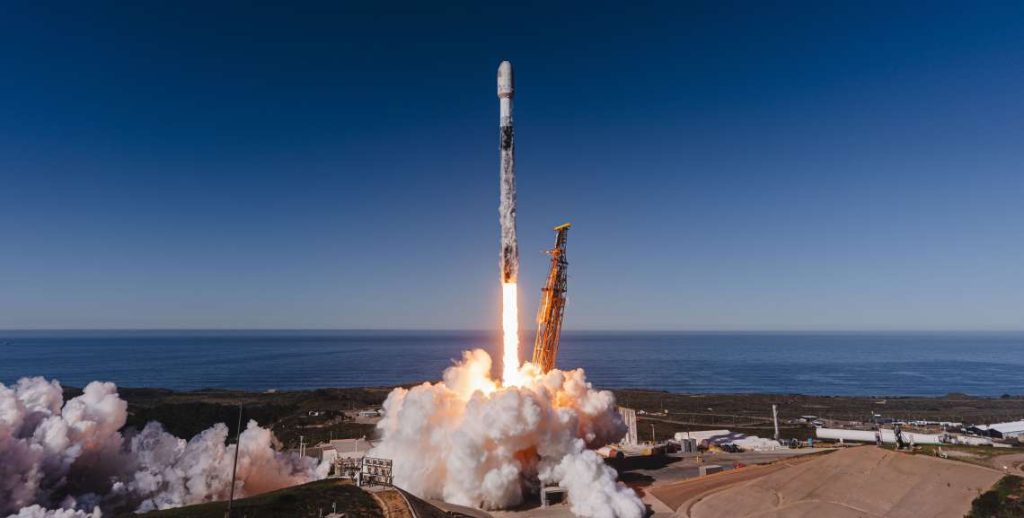
A major highlight of 2025 was the rapid expansion of the UAE’s satellite portfolio. Several key assets were successfully deployed, including Thuraya-4, MBZ-SAT, Al Ain Sat-1, HCT-SAT1 and the Foresight Constellation. Each mission was designed to strengthen the country’s communications, Earth observation and data analytics capabilities. The launch of Etihad-SAT was particularly significant, establishing the UAE’s first domestic radar satellite capability and enhancing its ability to monitor environmental change, infrastructure and disaster response regardless of weather conditions.
Another notable breakthrough came with the PHI-1 mission, the first modular satellite platform developed under the Payload Hosting Initiative in collaboration with the United Nations Office for Outer Space Affairs. The project highlighted the UAE’s growing role in supporting international access to space while advancing modular satellite technologies that allow faster, more flexible mission development.
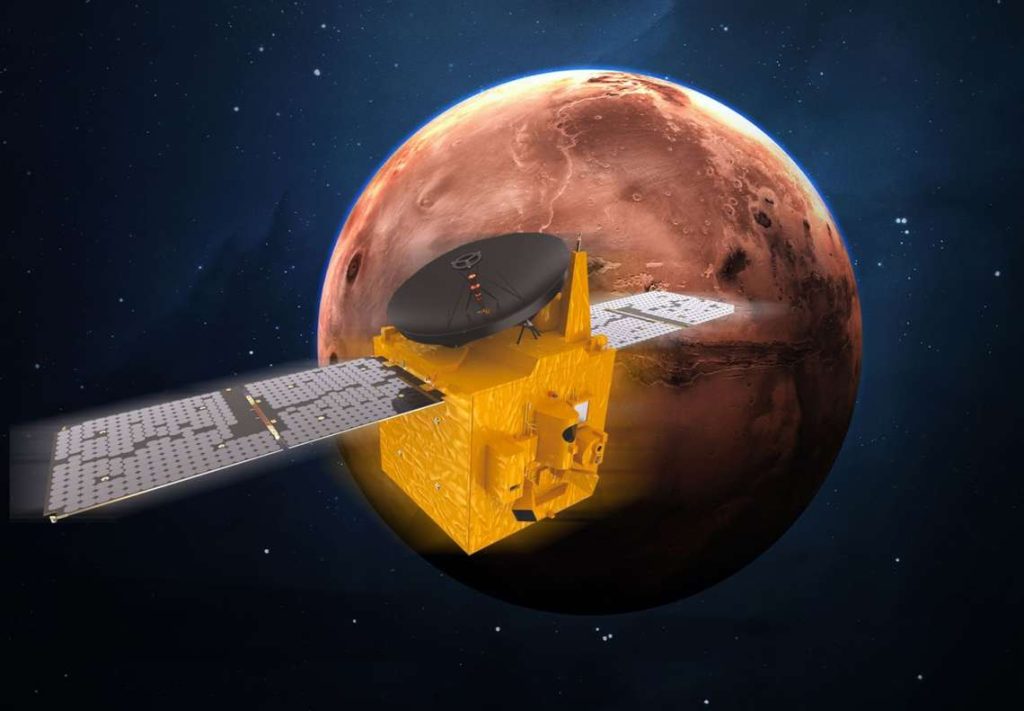
The UAE also made decisive strides towards long-term lunar exploration. In February, the Mohammed Bin Rashid Space Centre (MBRSC) signed a landmark agreement with Thales Alenia Space to develop the Crew and Science Airlock for NASA’s Lunar Gateway. The 15-year partnership secures a permanent Emirati presence aboard the lunar station and sets the stage for a historic first: the arrival of an Emirati astronaut on the Moon in the coming decade.
Lunar ambitions were further strengthened through an agreement between MBRSC and Firefly Aerospace, which will provide the lander for the Rashid 2 Rover’s mission to the Moon’s far side. The mission represents a major technological leap from the UAE’s first lunar rover, incorporating advanced navigation and scientific instruments.
Cooperation with France’s National Centre for Space Studies also expanded in 2025, with the agency supplying Rashid 2 with CASPEX cameras and other advanced systems. The rover successfully completed environmental and mechanical testing within the UAE and has been cleared for shipment to the United States ahead of its planned 2026 launch.
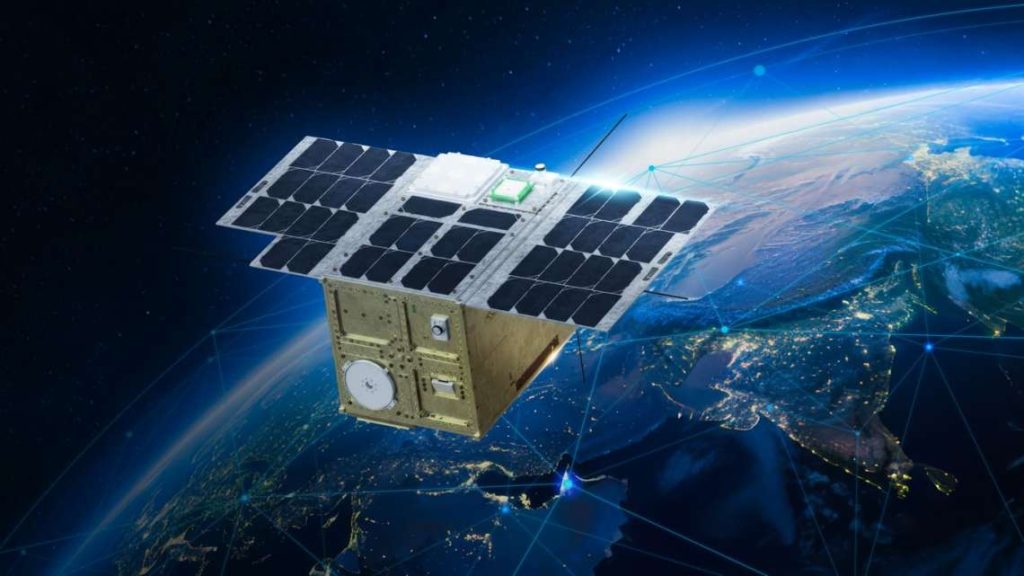
On the Earth observation front, Space42 achieved a national first by integrating and testing three Synthetic Aperture Radar satellites — Foresight-3, 4 and 5 — entirely within the UAE. The satellites deliver ultra-high-resolution imagery, with accuracy down to 25 centimetres, supporting applications ranging from climate monitoring and urban planning to emergency response.
Regional cooperation emerged as another pillar of the UAE’s space strategy. In December, the country led the launch of the “813” Arab Satellite, an initiative aimed at harnessing space data to support sustainable development across the Arab world.
To ensure the long-term sustainability of the sector, the UAE invested heavily in human capital. Advanced satellite engineering programmes were launched through the National Space Academy in partnership with EDGE Group, while the UAE Space Agency completed the Critical Design Review for the Emirates Mission to the Asteroid Belt — a seven-year journey to explore objects between Mars and Jupiter.