In times of fiscal crisis, successive governments have sought lifelines from foreign partners, often at the expense of long-term sovereignty and local participation. The current rare earth minerals debate risks becoming another episode in this pattern unless the government takes concrete steps toward openness … writes Dr Sakariya Kareem
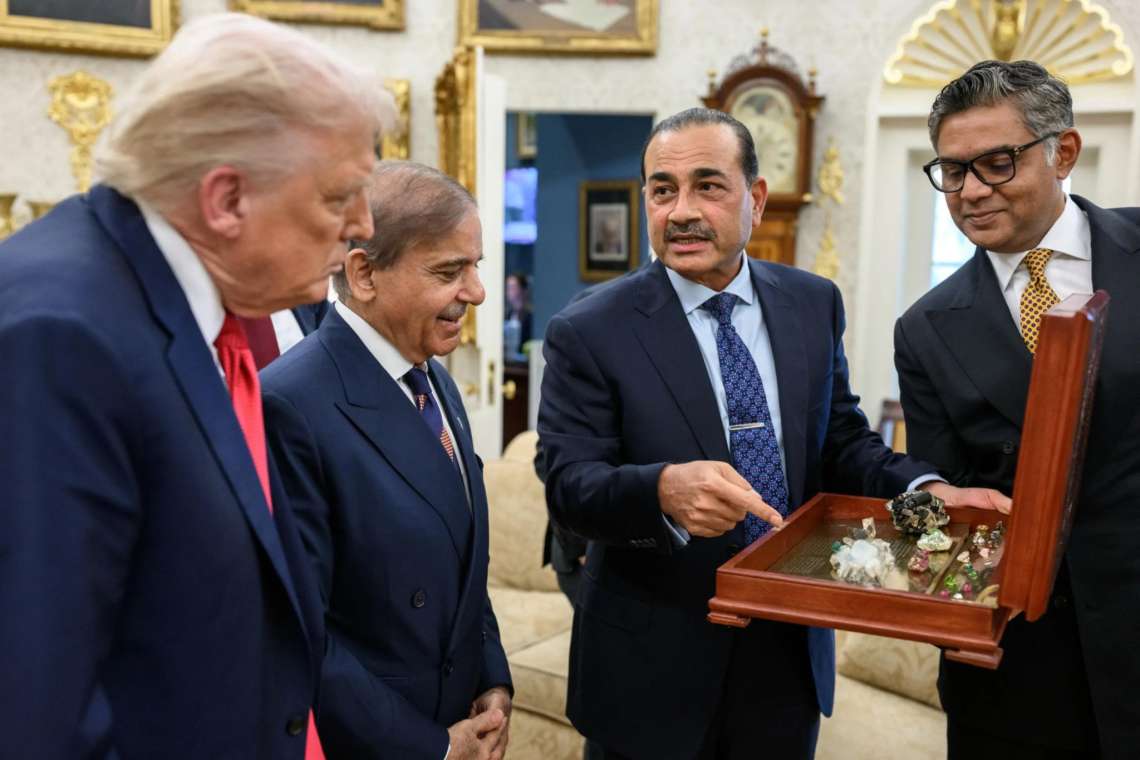
A storm is brewing in Pakistan’s political circles following emerging media reports about Islamabad’s supposed deal with the United States concerning the sale of rare earth minerals and potential access to the strategically located Pasni port.
The issue has triggered a wave of criticism from multiple quarters, most notably from the former chairman of the Senate, Raza Rabbani, who has taken a firm stand against what he perceives as the federal government’s secretive dealings and disregard for constitutional protocols. The controversy is not merely about mineral trade; it touches the deeper veins of federalism, sovereignty, and national resource management in a country already grappling with internal political fractures.
Raza Rabbani, a senior leader of the Pakistan Peoples Party and a long-time advocate of provincial autonomy, has demanded that the federal government immediately brief parliament on what he calls a “new U.S. policy.” His remarks came in response to growing speculation in the press regarding a possible agreement allowing a U.S. company to acquire or manage Pakistan’s rare earth mineral resources. Adding fuel to the controversy are suggestions that the government may even be considering granting operational access to Pasni, a small but strategically vital port on Balochistan’s Makran coast, to Washington. For many observers, these reports echo Pakistan’s historical patterns of making strategic concessions to external powers in times of economic desperation, decisions later challenged as compromises on sovereignty.
Rabbani’s criticism goes beyond the mere lack of information; it targets the fundamental structure of decision-making within the state. He accuses the federal government of bypassing constitutional requirements, particularly those enshrined in Article 172 of the Constitution. The article is explicit that the mineral resources within a province are jointly owned by the federal and provincial governments. Rabbani argued that this joint ownership gives the provinces the legal and moral right to be part of any discussion or decision concerning the exploration, sale, or lease of mineral resources.
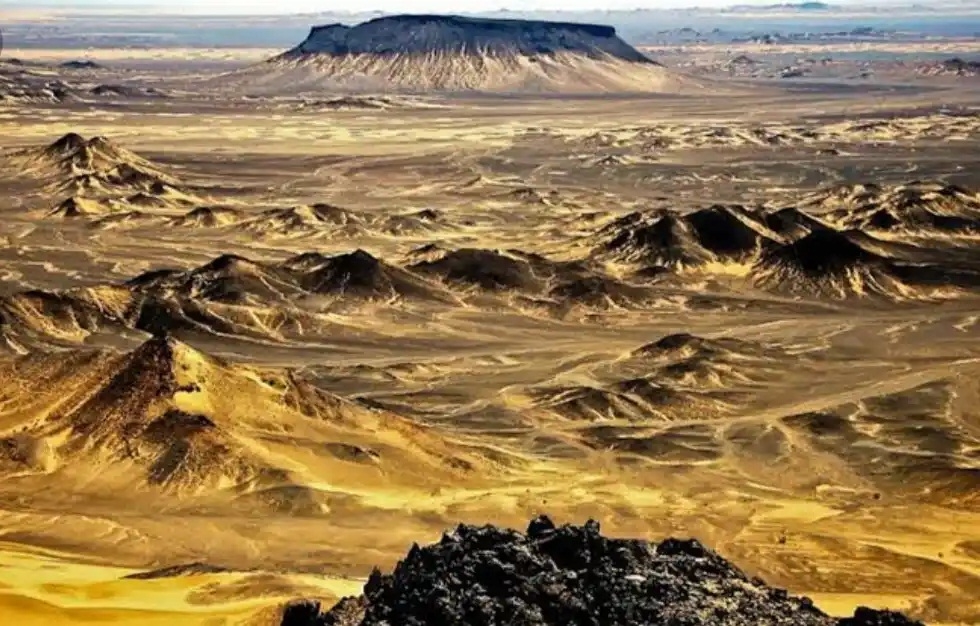
His remarks draw attention to the broader tensions between Pakistan’s federal and provincial dynamics, particularly concerning resource control. Balochistan, which holds vast reserves of copper, gold, lithium, and other critical minerals, has long accused Islamabad of exploitation and neglect. The province remains one of the most resource-rich yet economically deprived regions in the country. Any decision about mineral contracts that excludes Baloch representatives is therefore seen locally as another act of central dominance. In this environment, Rabbani’s voice resonates strongly with long-standing provincial resentment and fears of being sidelined once again.
The federal government’s silence on the matter has only deepened public suspicion. Neither the Ministry of Commerce nor the Ministry of Energy has issued any clarification on whether discussions with the United States, or any particular U.S. company, have advanced to the stage of a formal agreement.
Meanwhile, government sources have argued that such strategic deals, especially those involving critical minerals essential to modern technologies, could provide Pakistan with much-needed foreign investment and technological expertise. Yet, the absence of transparency and inclusive consultation continues to overshadow any potential economic justification. Rabbani contends that development cannot come at the cost of constitutional process or public accountability.
Rabbani made it clear that the question is not limited to foreign relations; it is about internal legitimacy. He reminded the government that the Council of Common Interests (CCI), the constitutional forum designed to resolve disputes on subjects of shared interest between the federation and provinces, must be convened before proceeding with any mineral-related policy. The CCI, according to him, is not a ceremonial body but an integral institution meant to ensure cooperative federalism. He also recalled that provincial representatives had previously rejected a proposed minerals law by the federal government for being overly centralized and contrary to Article 172. Thus, bypassing the CCI once again would not only be unconstitutional but politically incendiary.
The unfolding scene encapsulates Pakistan’s recurring dilemma about the tension between external dependency and internal accountability. In times of fiscal crisis, successive governments have sought lifelines from foreign partners, often at the expense of long-term sovereignty and local participation. The current rare earth minerals debate risks becoming another episode in this pattern unless the government takes concrete steps toward openness. The demand for a parliamentary briefing and a CCI meeting is not merely procedural; it represents a broader public plea for democratic oversight in a country where crucial resource agreements have historically been shrouded in secrecy.
Whether or not the reported deal with the U.S. materializes, the controversy carries a deeper message. Pakistan’s future cannot be negotiated behind closed doors, especially when it involves assets that belong constitutionally to its people and provinces. If the government wishes to avoid the perception of another covert concession to an external power, it must heed calls not as political opposition, but as a constitutional necessity.