Both India and Pakistan have now blocked each other’s airlines from using their airspace, as the neighbouring country had already announced this step six days ago
India has closed its airspace to all aircraft registered in Pakistan and those operated by Pakistani airlines, according to the Ministry of Civil Aviation (MoCA), another major step following the April 22 terrorist attack in Jammu and Kashmir’s Pahalgam in which 26 people were killed.
India issued a Notice to Airmen (NOTAM) on Wednesday, confirming the closure of its airspace to all Pakistani-registered, operated, or leased aircraft, including military flights, from April 30 to May 23 (estimated duration).
Both India and Pakistan have now blocked each other’s airlines from using their airspace, as the neighbouring country had already announced this step six days ago.
Notably, there has been a rise in ceasefire violations by Pakistan along the Line of Control (LoC) in Jammu and Kashmir, and the Indian Army has effectively responded.
Security forces have intensified anti-terror operations in the Kashmir valley in the aftermath of the Pahalgam terror attack and the government has given armed forces complete operational freedom to decide on the response to the brutal terror attack.
The Cabinet Committee on Security (CCS) met a day after the Pahalgam terror attack. In the briefing to the CCS, the cross-border linkages of the terrorist attack were brought out. It was noted that this attack came in the wake of the successful holding of elections in Jammu and Kashmir and its steady progress towards economic growth and development.
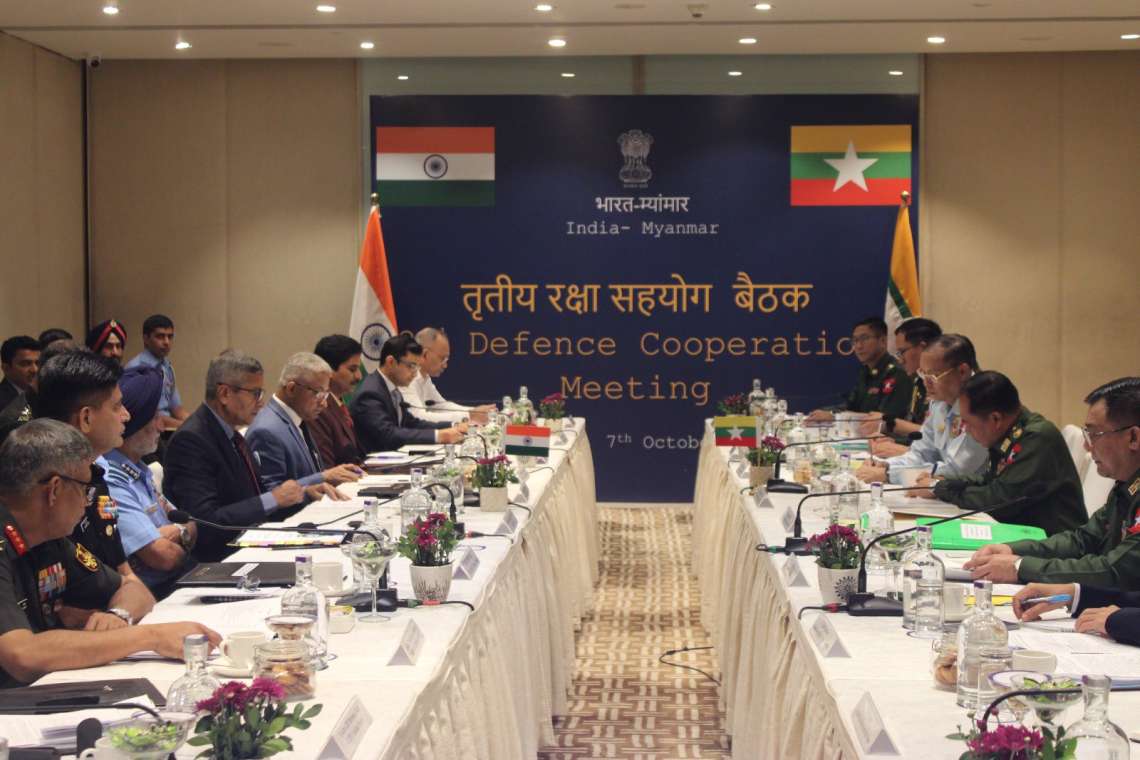
India has taken a raft of measures against Pakistan for its support to cross-border terrorism, including holding the Indus Water Treaty in abeyance and closing the Integrated Check Post at Attari. India has also decided to curtail the strength of High Commissions.
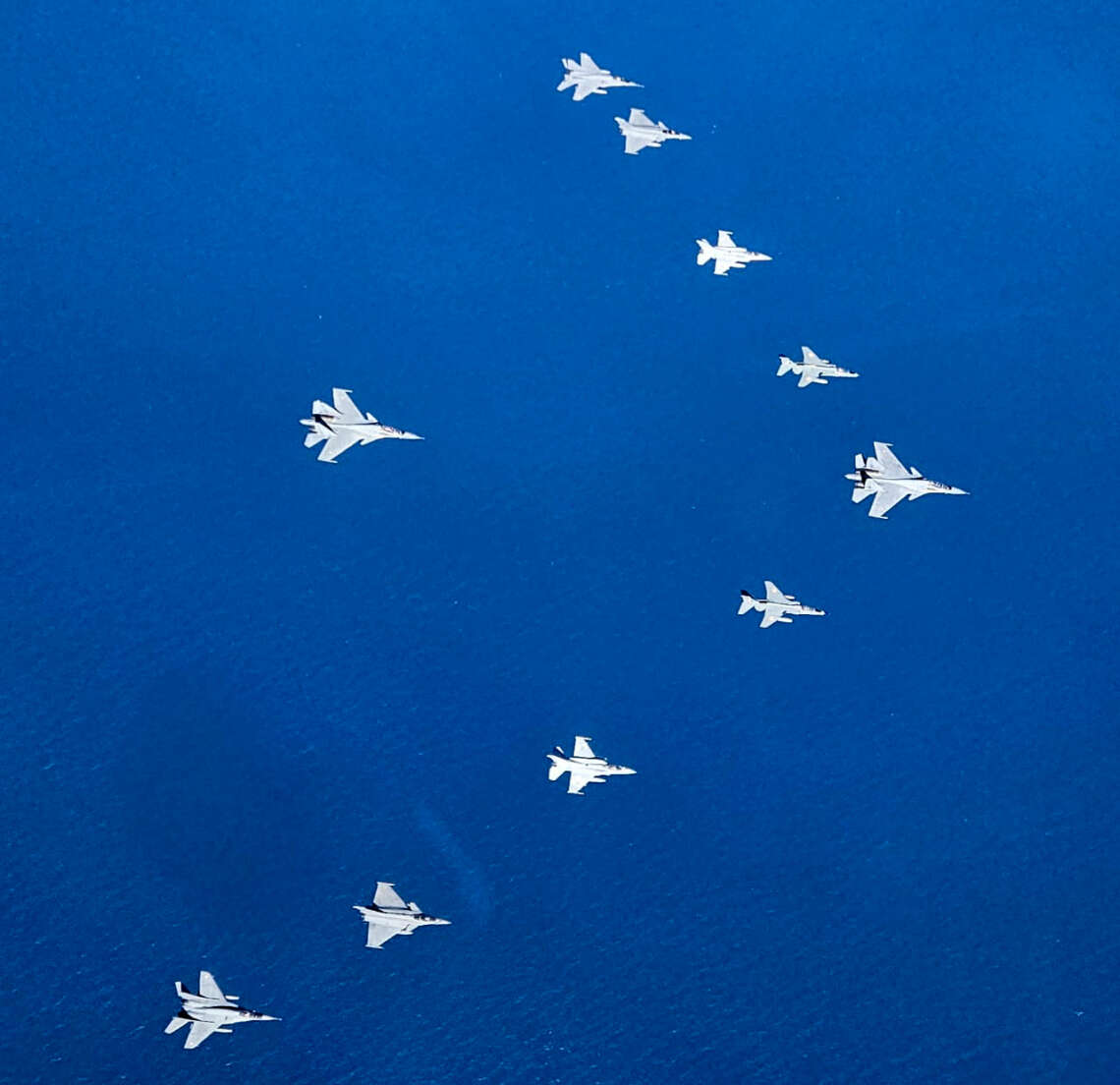
Pakistan’s decision to block Indian airlines from using their airspace will have a limited impact on its southern and western flight operations but will significantly affect northern routes, particularly from New Delhi, according to Air Marshal (Retd) Sanjeev Kapoor.
However, Kapoor said India’s decision to close its airspace to Pakistan’s airlines in the wake of the April 22 Pahalgam terror attack is expected to severely disrupt Pakistan International Airlines (PIA) operations, increasing flight times and costs.
In a self-made video, Marshal Kapoor explained, “Our flights operating from North India, international flights, especially from Delhi, get affected because we have to go to Gujarat and thereafter follow the westbound route over the Arabian Sea into the UAE and then further on. However, international flights operate south of Gujarat, specifically from Mumbai and Ahmedabad. Bangalore, Hyderabad, and Chennai – they are not affected at all.”
“So there is not much implication for any of the flights operating from the southern Peninsula in our country except for flights operating out of the Delhi area for us,” he added.
For Pakistan, however, the implications are far-reaching. Kapoor noted that tactical factors, such as longer routes due to the airspace closure, will cause higher fuel consumption, delayed schedules, and reduced aircraft utilisation, significantly denting PIA’s operating costs.
“The flights originating from Islamabad to Kuala Lumpur of Pakistan International Airlines, which generally take about 5 hours 30 minutes, will now take 8 hours 30 minutes… Any aircraft originating from Pakistan that needs to travel to, say, Bangladesh or Sri Lanka will have to take a longer route over the sea… This will lead to increased flying time, increased operating costs, and increased tickets (prices). This will lead to increased turnaround times and a shortage of aircrew. The same aeroplane will have to be rotated back, which will be further delayed… This will lead to less utilisation of these aeroplanes,” he added.
Earlier on Wednesday, India closed its airspace to all aircraft registered in Pakistan and those operated by Pakistani airlines, according to the Ministry of Civil Aviation (MoCA).
India issued a Notice to Airmen (NOTAM) confirming the closure of its airspace to all Pakistani-registered, operated, or leased aircraft, including military flights, from April 30 to May 23 (estimated duration).
Both India and Pakistan have now blocked each other’s airlines from using their airspace, as the neighbouring country had already announced this step six days ago in the wake of the terror attack in Pahalgam that claimed the lives of 26 people. (ANI)