As New Delhi hosts the 4th India-Central Asia Dialogue, growing ties in trade, defence, and diplomacy reaffirm India’s long-standing linkages with the region.
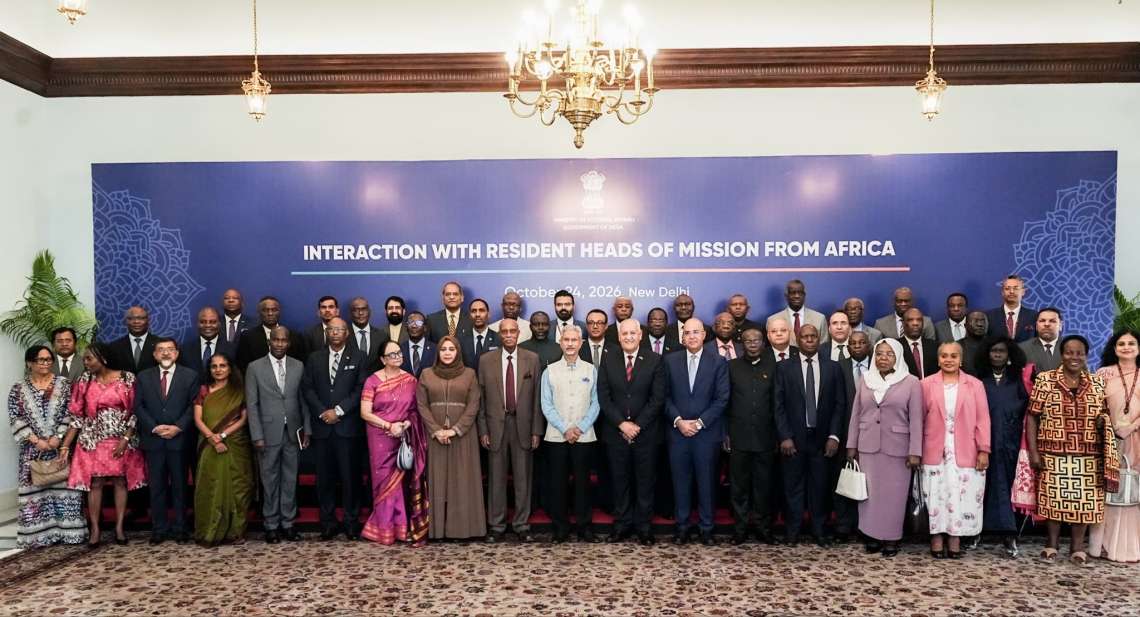
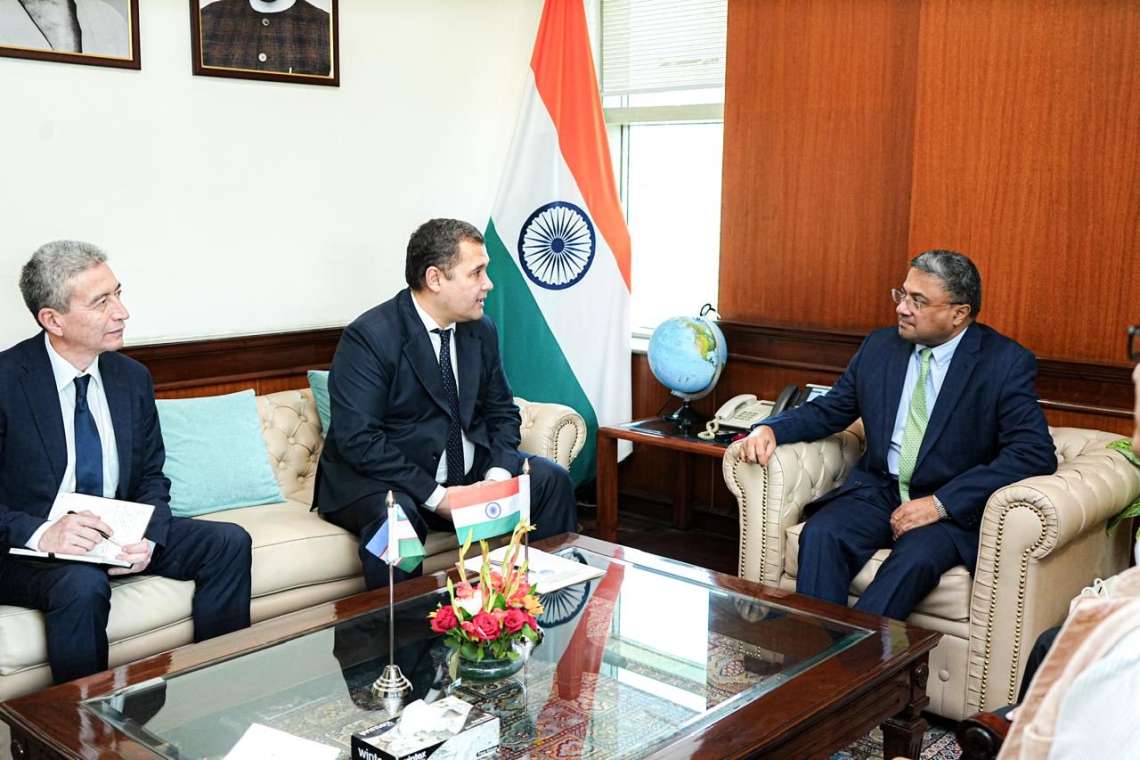
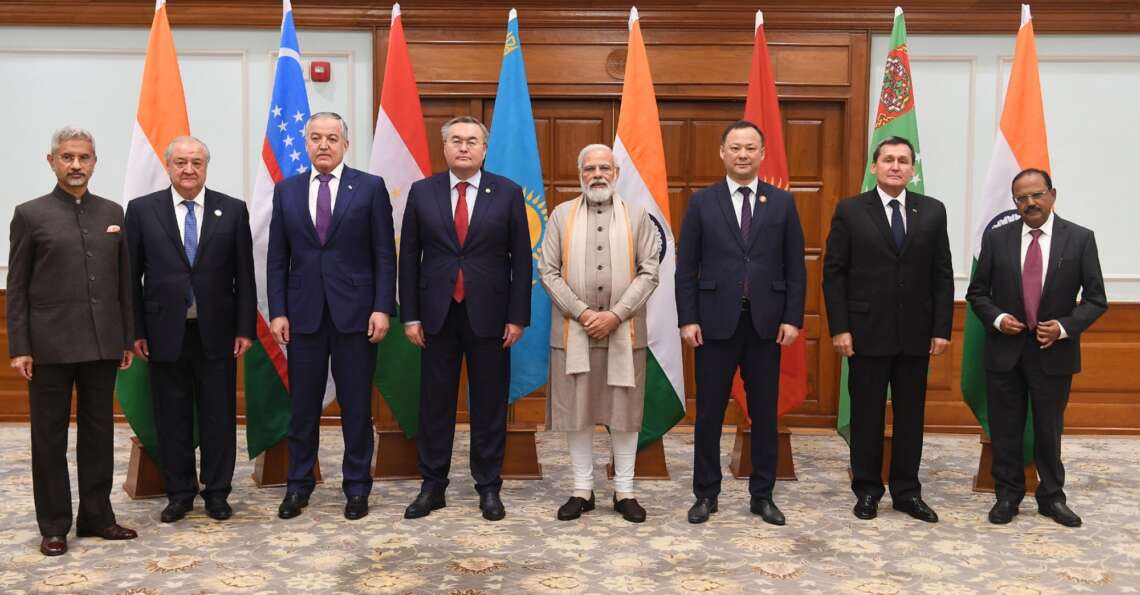
India is set to host the fourth meeting of the India-Central Asia Dialogue on June 6, bringing together the foreign ministers of Kazakhstan, Kyrgyz Republic, Tajikistan, Turkmenistan, and Uzbekistan in New Delhi. Chaired by External Affairs Minister S. Jaishankar, the high-level gathering marks a continued deepening of India’s strategic and civilisational relationship with the Central Asian countries (CACs)—a region with which India shares centuries-old historical, spiritual and cultural ties.
The Dialogue has emerged as a key platform in shaping India’s multifaceted engagement with Central Asia. Since its inception in 2019 in Samarkand, the ministerial-level forum has addressed issues of regional security, infrastructure, economic development, and connectivity. The latest edition is expected to place particular emphasis on trade facilitation, transport corridors, and digital collaboration, while also tackling contemporary threats such as terrorism, cybercrime, and drug trafficking.
India’s cultural affinity with the region stretches back to ancient times, when Buddhism flowed from the Indian subcontinent to Central Asia via Tibet. Monasteries and ancient Buddhist relics, such as those at Termiz, Fayaz Tepe, and Adzhina Tepe, serve as testament to the enduring influence of Indian spirituality and scholarship. In modern times, India was quick to build diplomatic bridges with the CACs following their independence from the former Soviet Union in 1992.
Since then, India has signed strategic partnerships with all five countries—barring Turkmenistan—and has actively worked to elevate bilateral ties. Prime Minister Narendra Modi’s landmark visit to all five nations in 2015 was a turning point, followed by his regular participation in Shanghai Cooperation Organisation (SCO) summits across the region. Similarly, Central Asian leaders have made frequent visits to India, demonstrating mutual interest in deepening ties.
The India-Central Asia Summit, held virtually in January 2022, was another significant milestone. Chaired by PM Modi, the summit institutionalised biennial leaders’ meetings through the ‘Delhi Declaration’ and paved the way for sustained high-level engagement.
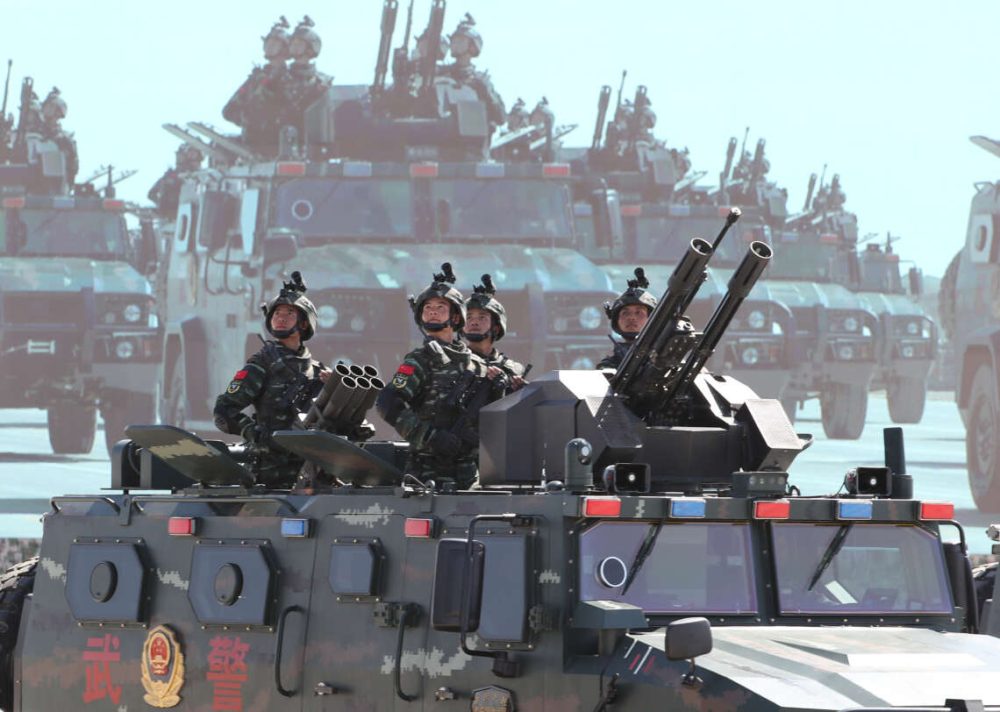
Defence cooperation has become a cornerstone of India’s strategic outreach to the region. India conducts joint military exercises such as “KazInd” with Kazakhstan, “Khanjar” with Kyrgyzstan, and “Dustlik” with Uzbekistan. In addition to these exercises, personnel from CACs are trained in Indian defence academies, and Indian military training teams are deployed in select countries. The collaboration extends to security dialogues as well—the India-Central Asia National Security Advisers’ (NSA) meetings, launched in 2022, have discussed regional security architecture, counter-terrorism efforts, and cyber defences.
Beyond security, India’s developmental outreach to Central Asia has taken the form of grant projects, capacity building, and digital infrastructure. India has provided over 6,500 training slots under the Indian Technical and Economic Cooperation (ITEC) programme and awarded around 1,500 scholarships through the Indian Council for Cultural Relations (ICCR). IT centres have been established in all five countries, and major grant-funded projects include an Entrepreneurship Development Centre in Uzbekistan, a Mountain Biomedical Research Centre in Kyrgyzstan, and the renovation of a hydropower plant in Tajikistan.
To promote grassroots development, Framework MoUs for High Impact Community Development Projects (HICDPs) have been signed with each of the CACs. These initiatives are aligned with India’s broader commitment to being a reliable and inclusive development partner.
However, trade and economic cooperation face structural barriers. Bilateral trade touched USD 3 billion in 2019–20 but dropped to about USD 1.2 billion in FY 2024–25. The absence of direct land connectivity, compounded by low business awareness, remains a key impediment. To address this, India has invited Central Asian nations to engage with initiatives like the International North-South Transport Corridor (INSTC) and the Chabahar Port, aiming to create more seamless trade routes via Iran.
On the cultural front, Indian music, yoga, dance, and Bollywood continue to enjoy wide popularity across Central Asia. Over 45,000 Indians reside in the region—mainly as students, doctors, and professionals—with the largest populations in Uzbekistan, Kyrgyzstan, and Kazakhstan. More than two lakh Indian tourists visited the region in 2024 alone. Recent visa liberalisations—such as visa-free entry to Kazakhstan and Kyrgyzstan—are expected to further boost people-to-people exchanges.
The Central Asian countries also support India’s bid for a permanent seat in a reformed United Nations Security Council and routinely back New Delhi’s candidates in global organisations. Four out of the five CACs (excluding Turkmenistan) are members of multilateral platforms like the SCO, Conference on Interaction and Confidence-Building Measures in Asia (CICA), and the Asia Cooperation Dialogue, where they often find convergence with Indian positions.
As part of this week’s Dialogue, the foreign ministers will also participate in the India-Central Asia Business Council meeting organised by India’s Ministry of External Affairs in partnership with the Federation of Indian Chambers of Commerce and Industry (FICCI). The business forum is expected to explore opportunities in sectors ranging from pharmaceuticals and IT to renewable energy and education.