Jaishankar also underscored India’s deepening economic ties with Africa, noting that bilateral trade has reached nearly $100 billion, alongside infrastructure and connectivity projects worth over $12 billion
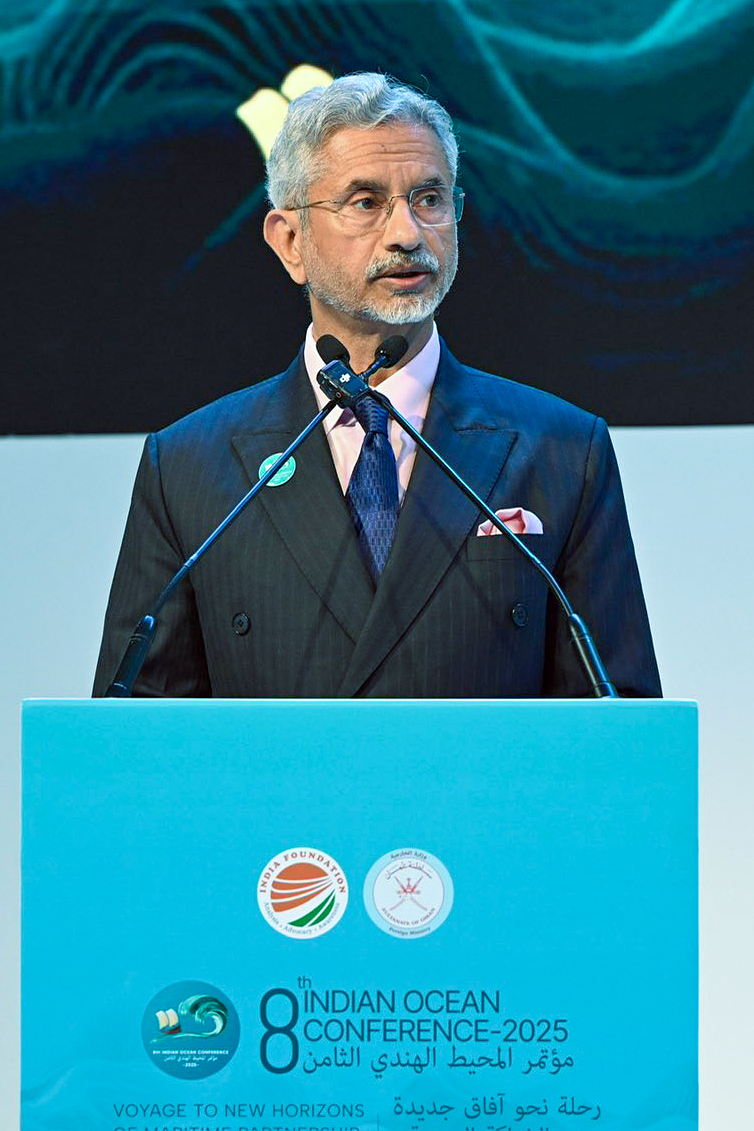
External Affairs Minister S Jaishankar said India’s engagement with Africa focuses on building long-term, sustainable partnerships through capacity-building, skill development, and technology transfer, rather than extractive models, as he addressed the Japan-India-Africa Business Forum virtually on Wednesday.
Jaishankar also underscored India’s deepening economic ties with Africa, noting that bilateral trade has reached nearly USD 100 billion, alongside infrastructure and connectivity projects worth over USD 12 billion.
“India’s approach to Africa has always been guided by a deep-rooted commitment to building long-term, mutually beneficial partnerships. Unlike extractive models of engagement, India believes in capacity-building, skill development, and technology transfer, ensuring that African countries not only benefit from investments but also develop self-sustaining growth ecosystems,” Jaishankar said.
He further underscored India’s growing economic ties with Africa, saying, “India is Africa’s fourth-largest trading partner, with bilateral trade reaching nearly USD 100 billion and growing steadily. India has also made a significant commitment to Africa’s connectivity and infrastructure development, with over USD 12 billion in concessional credit and more than 200 completed projects spread across the continent in areas such as railways, power generation, agriculture, and water supply. India’s development projects in various sectors, such as drinking water schemes to irrigation, rural solar electrification, power plants, transmission lines, cement, sugar & textile factories, technology parks, and railway infrastructure, have generated local employment and, in fact, changed life in Africa.”
Jaishankar also brought forth the shared vision of India and Japan in strengthening engagement with Africa and beyond, reiterating their commitment to democratic values, freedom, and the rule of law. “Over the years, our bilateral relationship has evolved into a special strategic and global partnership. Together, we have built strong foundations in areas such as infrastructure, technology, healthcare, and education. Our engagement within the QUAD further complements and reinforces our bilateral engagement in a wide range of areas.”
Speaking on the role of the Global South, he emphasised the importance of ensuring that emerging economies have a voice in global decision-making. “As the Global South emerges as the future driver of economic growth, it is imperative that we ensure its aspirations and interests are fully represented on the global stage,” he said.
The EAM cited India’s efforts in championing this cause, particularly through the Voice of the Global South Summits and its G20 presidency, during which it successfully facilitated the African Union’s permanent membership in the G20.
Jaishankar also pointed to other avenues of cooperation, including the Forum for India-Pacific Islands Cooperation (FIPIC) and the India-Africa Forum Summit, as key mechanisms for enhancing engagement.
Reiterating India’s focus on creating sustainable growth ecosystems, Jaishankar highlighted various initiatives undertaken by India to support Africa’s development. He pointed to programmes such as the Indian Technical and Economic Cooperation (ITEC), the Pan-African e-Network project, and high-impact community development projects that have strengthened capacities in sectors such as healthcare, education, and digital public infrastructure.
Informing about India’s e-learning and telemedicine initiatives, Jaishankar mentioned, “The e-VidyaBharti and e-ArogyaBharti network was launched in 2019 for tele-education and tele-medicine. Under this initiative, youth from 19 African countries have enrolled for various courses in undergraduate, postgraduate and diploma courses.”
In his concluding remarks, Jaishankar expressed optimism about the future of India-Japan-Africa collaboration. “Japanese investments, India’s solid industrial base and digital capacities, and Africa’s talent and consumption can come together to create beneficial outcomes for all stakeholders. The growth and prosperity of Africa will not only benefit its people but also contribute to broader global stability and economic progress. India and Japan, with their complementary strengths, are well-positioned to support Africa’s development in a sustainable and inclusive manner.” (ANI)
ALSO READ: Arab League condemns Israeli raids in Syria
ALSO READ: Modi likely to visit Russia in May