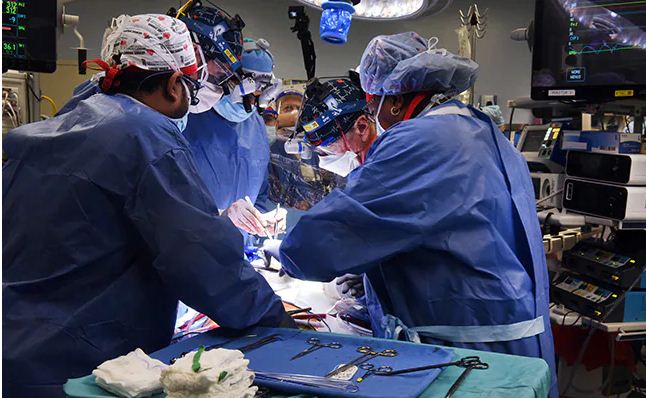
What makes these crimes even more disturbing is the involvement of medical professionals. Surgeons, anaesthetists, and nurses—sworn to save lives—are repeatedly implicated….reports Asian Lite News
The rescue of a young man in a Bahria Town house in Rawalpindi—tied to a stretcher and minutes away from having his kidney removed—should have been unimaginable in 2025. Yet it happened. Even more alarming, it was the second such bust in the city within a week, exposing a chilling truth: Pakistan’s organ trafficking industry is alive, thriving, and operating in plain sight, Islam Khabar reported.
Fifteen years ago, the government enacted the Transplantation of Human Organs and Tissues Act (THOTA), a law crafted to regulate transplants and protect the vulnerable from exploitation. In theory, it offered strict safeguards, allowing only voluntary donations under regulated oversight. In reality, the law exists mostly on paper. Behind closed doors, well-organised trafficking networks run sophisticated operations—complete with medical instruments, anaesthesia, and qualified surgeons—even inside elite gated communities like Bahria Town.
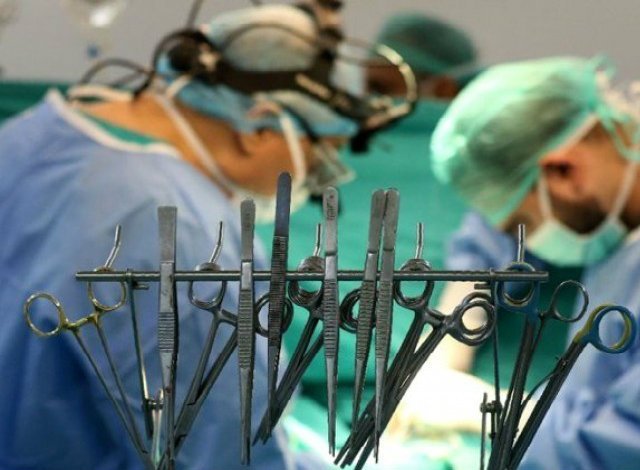
What makes these crimes even more disturbing is the involvement of medical professionals. Surgeons, anaesthetists, and nurses—sworn to save lives—are repeatedly implicated. Their complicity highlights not only individual moral collapse but also systemic negligence. Oversight by health authorities and regulators is either absent, lax, or compromised. When doctors themselves transform clinics into crime scenes, it signals a regulatory state in paralysis.
The Human Organ Transplant Authority (HOTA), established to monitor transplants, vet donors, and investigate irregularities, has proven ineffective. At both federal and provincial levels, it operates as little more than a symbolic entity. Inspections and inquiries remain token gestures, while traffickers exploit the vacuum. Law enforcement fares little better. Instead of intelligence-led crackdowns, police stumble onto cases by accident, as in Bahria Town, where a victim was discovered by sheer chance rather than through targeted investigation. Such reliance on luck underscores a disturbing absence of proactive governance.
This thriving black market is fuelled by desperation. Poverty pushes Pakistan’s poor, illiterate, and marginalised into the clutches of traffickers who lure them with false promises of payment or coerce them into selling organs. Once trapped, they become prey to well-connected networks that operate with impunity. Society at large looks away, while systemic corruption allows the trade to flourish unchecked.
That these surgeries can be staged in upscale housing societies adds a cruel irony. Areas meant to represent safety and progress have become theatres of exploitation. The ability of traffickers to operate in such heavily scrutinised spaces, using modern facilities and professional staff, is a damning indictment of the state’s willingness—or unwillingness—to impose meaningful oversight.
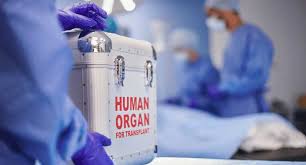
The implications are devastating. Organ trafficking is not just crime; it is a profound violation of human rights. Victims are stripped of autonomy, dignity, and sometimes their lives. Each case reflects a collapse of ethics and governance. The THOTA law, once hailed as a milestone, now stands hollow—its promises broken by regulatory inertia and state indifference.
The repeated busts in Rawalpindi are not isolated. They represent a pattern, an entrenched system in which organ trafficking has been normalised. The true scale of this industry remains hidden, with publicised cases likely only a fraction of the whole.
In 2025, Pakistan’s organ trade is not an aberration but a mirror—reflecting a state where laws are written yet unenforced, institutions exist yet fail, and protectors of life become its violators. That the unthinkable has become routine is not just a crime; it is a national tragedy.