Pakistan’s Defence Minister Khawaja Asif warned that Islamabad could enter an “open war” with Kabul if peace talks in Istanbul fail to ease rising Afghan border tensions…reports Asian Lite News
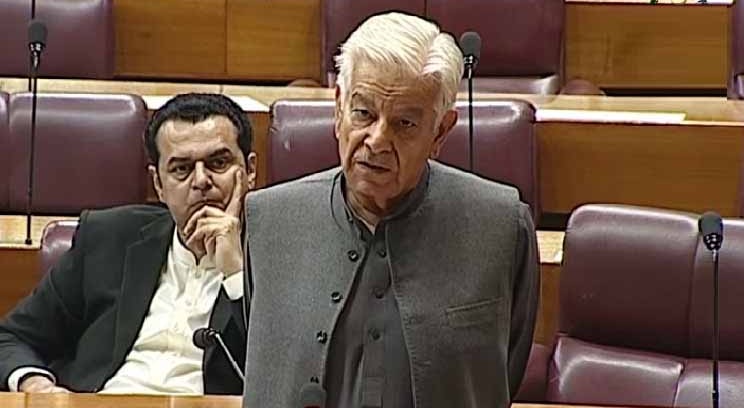
Pakistan’s Defence Minister Khawaja Asif has warned that Islamabad could enter an “open war” with Kabul if the ongoing peace talks in Istanbul fail to ease rising tensions along the Afghan border, TOLO News reported on Saturday. The warning comes after weeks of deadly clashes and ceasefire violations that have left dozens dead and displaced thousands on both sides of the frontier.
Speaking to reporters, Asif said that while the border situation has remained relatively calm in recent days, thanks to the temporary truce reached under the Doha Agreement, the peace remains fragile. “Although no incidents or clashes have occurred recently, indicating that the Doha Agreement has been somewhat effective, the situation can change quickly if diplomacy collapses,” he cautioned.
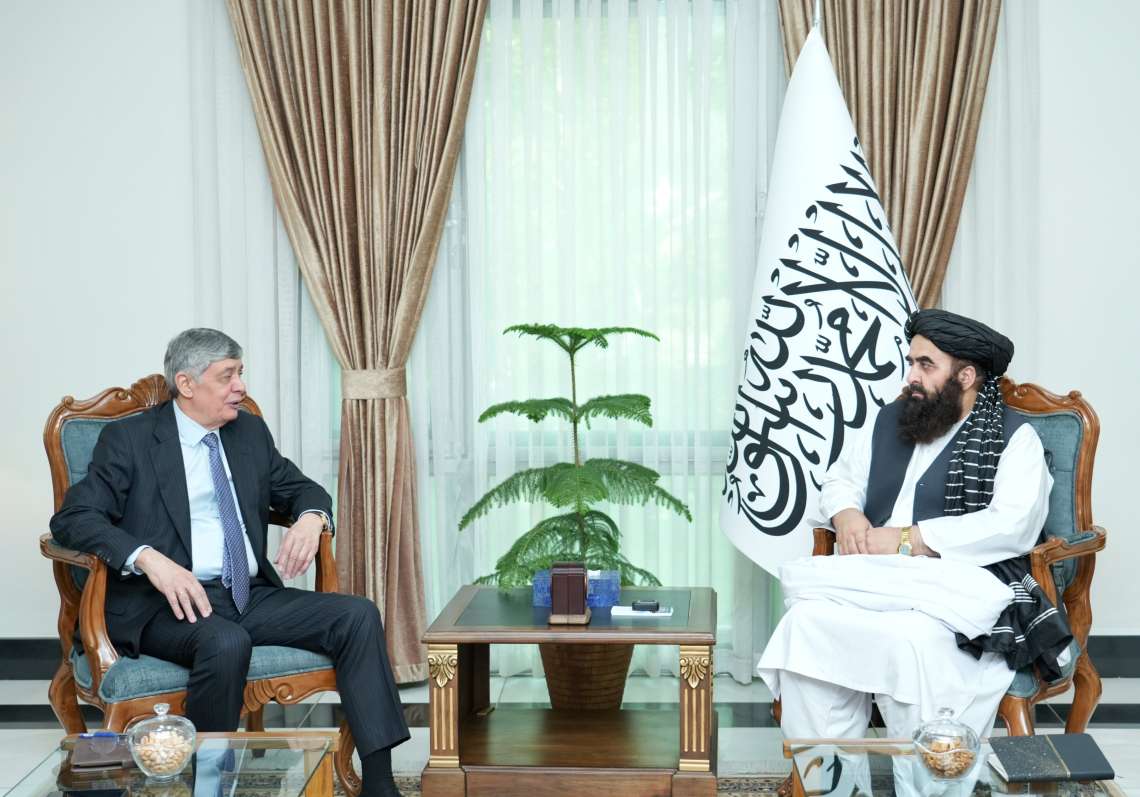
The second round of discussions between Pakistan and Afghanistan is currently underway in Istanbul, following initial talks held in Doha earlier this month. The meetings, mediated jointly by Qatar and Turkiye, aim to prevent further escalation and rebuild trust between the two uneasy neighbors. Afghan officials have not publicly responded to Asif’s remarks.
According to TOLO News, the Istanbul dialogue is focusing on four main issues: the creation of a joint monitoring mechanism to prevent future violence, mutual respect for sovereignty, addressing the roots of Pakistan’s long-standing security concerns, and the removal of trade restrictions. Delegates are also discussing the forced deportation of Afghan refugees from Pakistan and efforts to keep the refugee issue separate from political disputes.
During the first round of negotiations in Doha on October 18 and 19, both sides agreed to an “immediate ceasefire” after several days of intense border fighting. The clashes erupted earlier this month after Pakistan accused the Taliban-led Afghan government of failing to stop militants launching attacks from Afghan territory. Islamabad responded with cross-border airstrikes, while Afghan forces retaliated with heavy artillery fire. The exchange killed and injured dozens of civilians and soldiers, prompting urgent diplomatic intervention.
In a statement last week, Qatar’s Ministry of Foreign Affairs confirmed that the two countries had agreed to a ceasefire and pledged to “ensure the sustainability of the ceasefire and verify its implementation in a reliable and sustainable manner.” The joint mediation effort by Qatar and Turkiye is intended to lay the foundation for a long-term peace framework between the two nations.
Asif, who led Pakistan’s previous negotiations in Doha, reiterated that his government has shown patience despite repeated provocations. He also reminded Kabul of Pakistan’s decades-long support to Afghanistan, including hosting millions of refugees since the Soviet invasion in 1979. “Pakistan has stood by Afghanistan for decades,” he said. “But our goodwill should not be mistaken for weakness.”

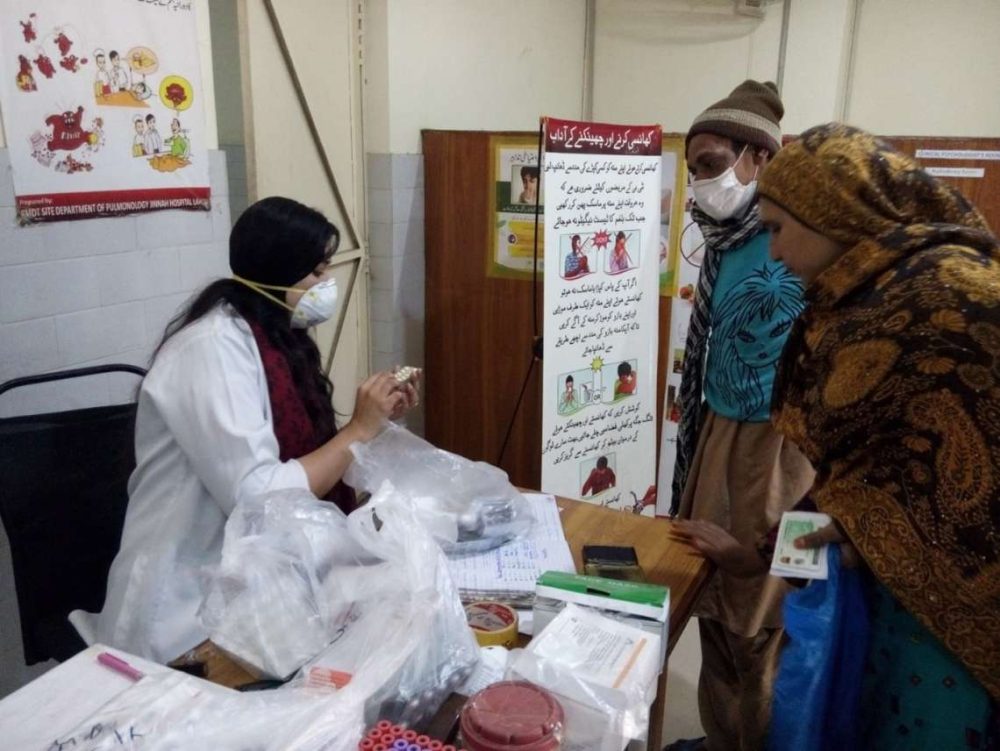
However, Pakistan’s recent crackdown on Afghan refugees has strained relations further. Earlier this week, security forces shut down several long-established refugee camps in the province of Balochistan, forcibly evicting thousands of residents. Camps in Loralai, Gardi Jungle, Saranan, Zhob, Qala-e-Saifullah, Pishin, and Muslim Bagh were demolished, with refugees reporting that they were not allowed to retrieve their belongings before their homes and shops were razed.
Islamabad has justified the evictions by claiming that militant elements use the camps as hideouts for launching attacks inside Pakistan. Human rights groups, however, have condemned the operations as collective punishment of innocent civilians.
Meanwhile, the Taliban government in Kabul has rejected Islamabad’s accusations, insisting that Afghan territory is not being used to stage attacks. “The Islamic Emirate does not interfere in the internal affairs of other countries and remains committed to regional peace,” Taliban officials said in a statement carried by Afghan media.
Despite the ceasefire, border tensions remain volatile. Analysts say both nations face immense pressure to de-escalate amid mounting humanitarian and security concerns. “The Istanbul talks may represent the last chance for both sides to restore stability before matters spiral out of control,” said a senior regional diplomat familiar with the negotiations.
If the Istanbul peace effort collapses, Asif warned, Pakistan will have “no choice but to act decisively.” His comments underscore the gravity of the situation between the two neighbors, whose shared 2,600-kilometre border has long been a flashpoint for conflict and mistrust.