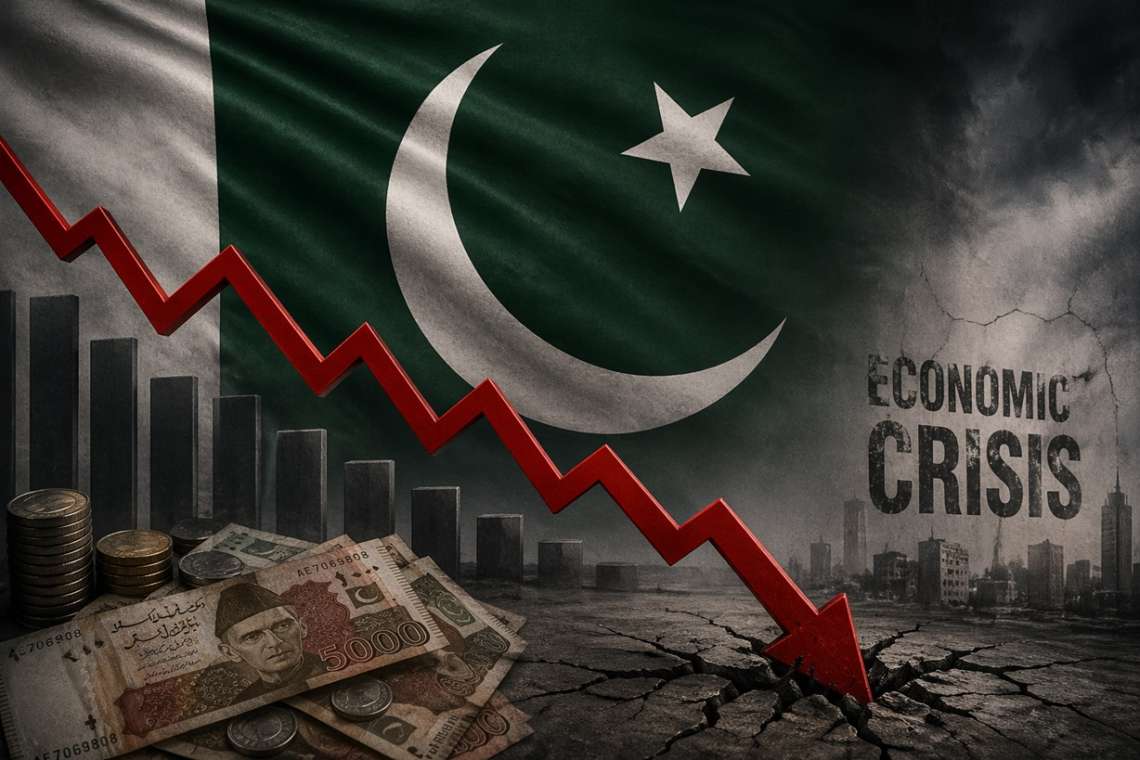
The country’s monetary policy has been driven by fears of inflation coupled with a destabilising rupee, much at the cost of economic expansion. This has temporarily kept the rupee stable, but made borrowing super expensive for exporters, leaving Pakistan’s exports struggling, writes Sakariya Kareem
Last week, the Businessmen Panel of Pakistan Chambers of Commerce and Industry expressed concern over the fresh uptick in inflation stating that the economy is showing signs of strain, as consumer prices rose by 6.2 percent in October 2025. Measured by the Consumer Price Index (CPI), inflation rose sharply to 5.6 percent in September, up from 3 percent in August. This reversal was particularly striking given that inflation had fallen into single digits in August 2024, at 9.6 percent for the first time in over three years.
The latest rebound is driven largely by rising prices of perishable goods, underscoring the vulnerability of Pakistan’s food supply chains to climatic and geopolitical disruptions. In October, CPI inflation had climbed further to 6.24 percent, pushing average inflation for the first four months of FY26 to 4.73 percent compared to the same period last year. Month‑on‑month inflation rose by 1.83 percent in October, with rural areas suffering disproportionately – rural CPI increased by 2.26 percent compared to 1.54 percent in urban centers.
Inflation has long been one of the most pressing economic challenges facing Pakistan. As the country enters FY26, inflationary pressures have re‑emerged with renewed intensity, threatening to undermine the fragile gains in trade and industrial activity. The government’s strategy of stimulating growth through foreign investment remains central, yet rising import bills, sluggish exports, and recurrent supply shocks suggest that economic recovery may remain precarious unless decisive measures are taken to balance trade, manage inflation, and strengthen industrial output.
The Pakistan Bureau of Statistics (PBS) attributed the October surge to an across‑the‑board rise in prices, with the exception of recreation and culture, which fell by 3.7 percent. Food and beverages rose by 5.6 percent, clothing and footwear by 8.07 percent, housing and energy by 4.24 percent, health by 9.7 percent, transport by 6.7 percent, and education by 10.6 percent.
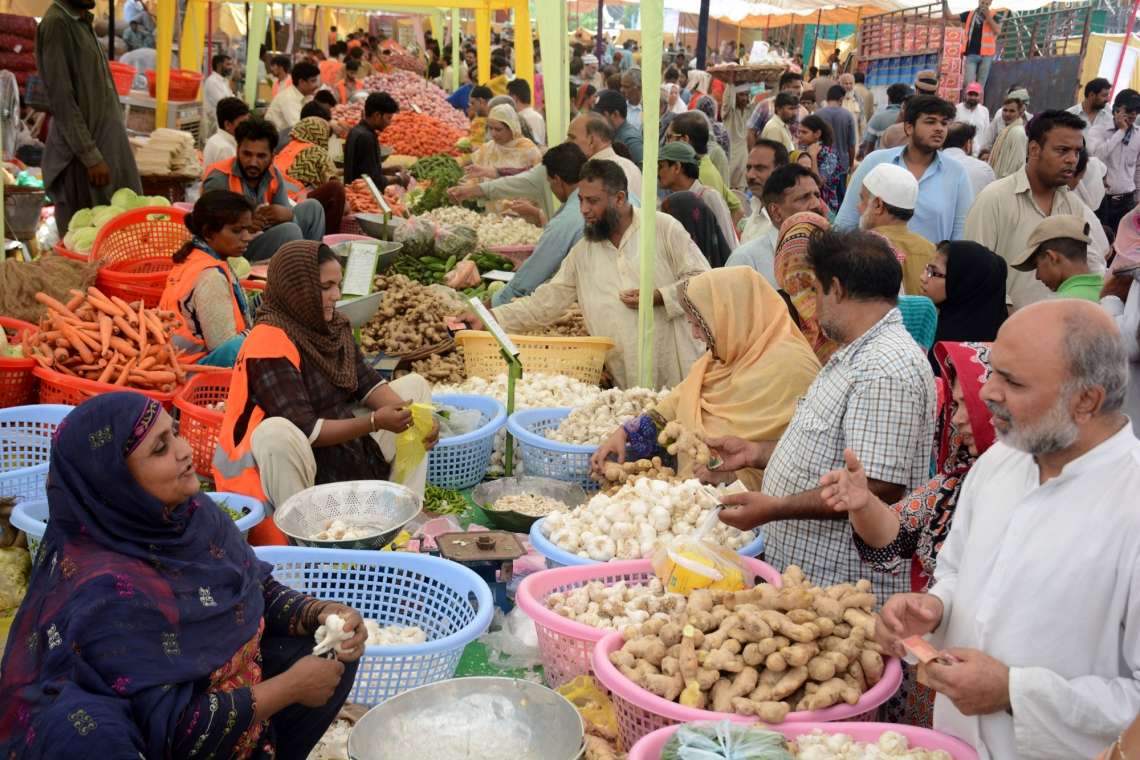
Other goods and services registered an alarming 18.2 percent increase. Household budgets were particularly strained by extraordinary spikes in essential food items: tomatoes surged by 127 percent, sugar by an astonishing 345 percent, butter by 30 percent, wheat by 23 percent, and wheat flour by 15.7 percent. Non‑food items also added to the burden, with gas charges rising 23 percent, footwear 12.67 percent, and transport services 11 percent.
Short‑term inflation, measured by the Sensitive Price Index (SPI), reinforced this trend. SPI inflation increased 4.15 percent year‑on‑year in the week ending November 13, marking the fifteenth consecutive week of upward movement. The surge was driven by perishable products such as onions, tomatoes, potatoes, and wheat flour, as well as LPG cylinders. Border closures with Afghanistan disrupted the flow of food and fuel, while floods in Punjab swamped farmland and industrial hubs, killing more than 1,000 people, displacing 2.5 million, and damaging crops and factories. These shocks tightened food supplies and compounded inflationary pressures, particularly in northwestern regions.
Pakistan’s inflationary dynamics are shaped by a complex interplay of structural and cyclical factors.
The country’s monetary policy has been driven by fears of inflation coupled with a destabilising rupee, much at the cost of economic expansion. This has temporarily kept the rupee stable, but made borrowing super expensive for exporters, leaving Pakistan’s exports struggling.
On the supply side, climate‑induced disruptions such as floods have repeatedly undermined agricultural output, creating shortages of staple foods. Border closures and geopolitical tensions further exacerbate supply constraints, particularly for perishable goods and energy imports. On the demand side, rising household consumption and import dependency have fueled price increases, while weak export performance has limited the country’s ability to offset external imbalances.
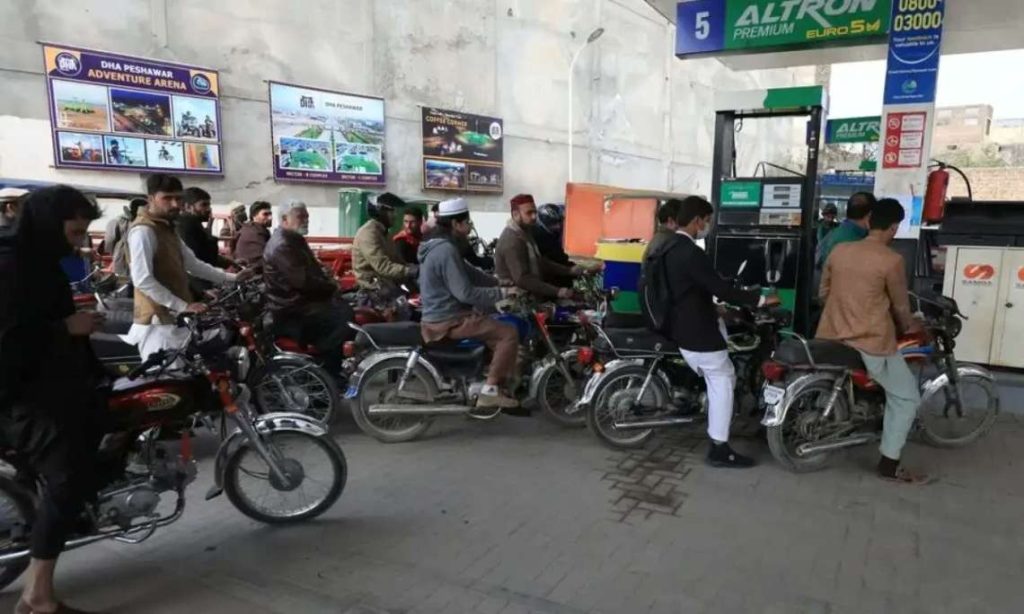
Energy prices remain an unrelenting driver of inflation. Gas charges, solid fuel, and transport services have all registered double‑digit increases, reflecting both global commodity volatility and domestic inefficiencies in energy distribution. Core inflation, which excludes food and energy, remains persistently high at over 7.5 percent, limiting the scope for meaningful structural reforms. This persistence suggests that inflation is not just a temporary shock but a deeply embedded challenge requiring comprehensive policy responses.
Recently, Pakistan borrowed approximately Rs 1.3 trillion from commercial banks, pushing its debt-to-GDP ratio higher to around 74 percent of the economy. At the same time, the growth rate only 2.68 percent for FY 2024-25, according to the Pakistan Economic Survey, remains far too low to counterbalance the expanding burden.
The trade deficit has emerged as a critical pressure point. In October, the deficit surged 56 percent year‑on‑year to $3.2 billion, raising concerns about the sustainability of current account gains. Economic experts have warned that unchecked import growth could widen the deficit further, jeopardizing the possibility of a surplus, eroding State Bank reserves, and destabilizing the exchange rate. Yet restricting imports carries its own risks: slowing economic growth, threatening jobs, and exacerbating poverty. This delicate balance underscores the dilemma facing policymakers, whether to prioritise growth through liberalised imports or stability through restrictions.
Inflation is intimately tied to this trade dilemma. Rising import bills, particularly for food and energy, feed directly into domestic prices. At the same time, sluggish export performance limits foreign exchange earnings, constraining the government’s ability to stabilize the currency and absorb external shocks. Without decisive measures to boost industrial output and diversify exports, inflationary pressures are likely to persist, undermining both macroeconomic stability and household welfare.
Pakistan’s inflationary challenges are aggravated by global headwinds. The International Monetary Fund (IMF), in its October 2025 World Economic Outlook, projected global growth to slow from 3.3 percent in 2024 to 3.2 percent in 2025 and 3.1 percent in 2026. On an end‑of‑year basis, growth is expected to decline from 3.6 percent in 2024 to 2.6 percent in 2025. For Pakistan, the IMF projected CPI‑based average inflation to rise to 6 percent this year from 4.5 percent last year, with the current account balance shifting from a 0.5 percent surplus to a 0.4 percent deficit. Importantly, these projections did not yet account for the impact of the devastating floods of summer 2025, making them tentative at best.
Global commodity volatility, particularly in energy and food markets, poses additional risks. As a net importer of fuel and essential commodities, Pakistan remains extremely vulnerable to external price shocks. Any escalation in global prices could quickly translate into domestic inflation, further straining household budgets and complicating policy responses.
Industrial output offers a mixed picture. The central bank has noted improvements in crop yields, stronger industrial activity, and a rebound in high‑frequency indicators. Yet private surveys paint a more cautious outlook. The HBL Pakistan Manufacturing PMI rose to 49.6 in October from 48.0 in September, but remained below the threshold of 50, indicating contraction. Firms cited weak demand, higher taxes, and power outages as key drags, even as business confidence remained cautiously optimistic. Persistent contraction in manufacturing activity suggests that supply‑side constraints may continue to fuel inflation, particularly if industrial output fails to keep pace with rising demand.
Inflation is more than a statistical measure of rising prices; it is a phenomenon that touches every household, reshaping consumption patterns, eroding purchasing power, and influencing the trajectory of national growth. Allowing imports to expand risks eroding current account gains, while restricting them could slow growth, increase unemployment, and exacerbate poverty. Managing this delicate balance will define Pakistan’s FY26’s economic trajectory.