Pakistan’s federal government debt has climbed 75 per cent to Rs 83.6 trillion over four years despite higher revenues and IMF-backed fiscal measures…reports Asian Lite News Desk
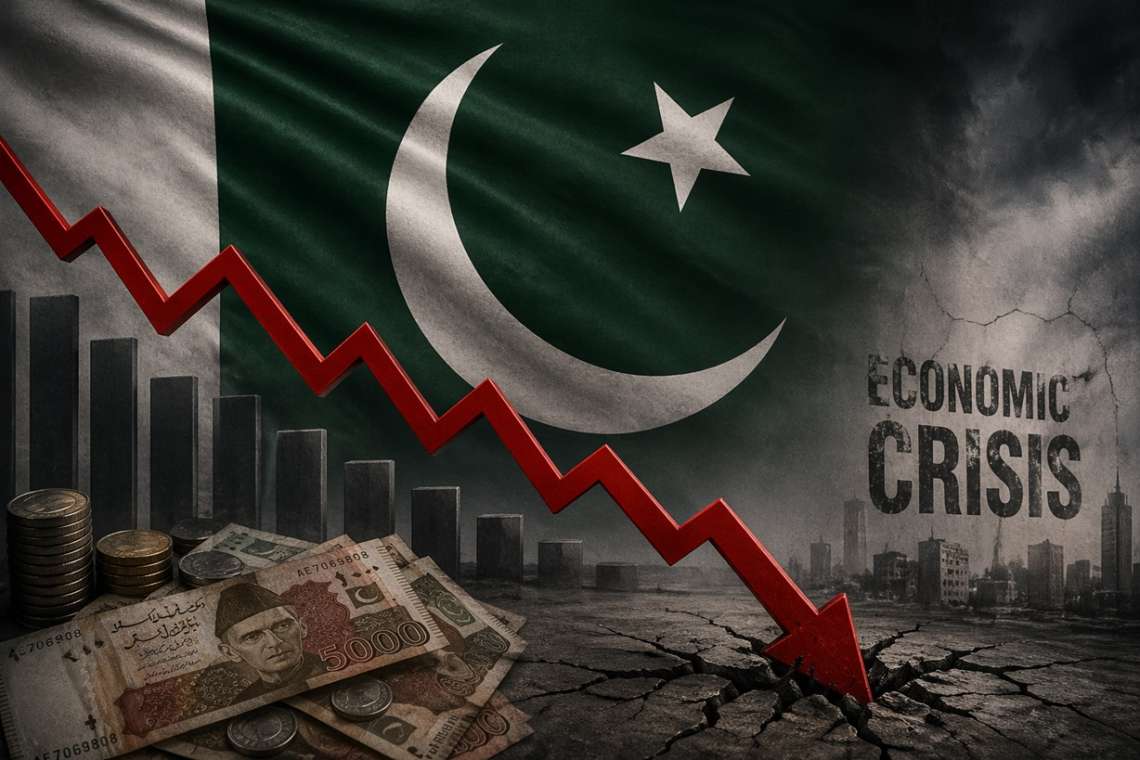
Pakistan’s federal government debt has increased by 75 per cent over the past four years, reaching Rs 83.6 trillion by the end of June 2026 despite higher government revenues and repeated fiscal tightening measures under programmes backed by the International Monetary Fund (IMF), according to a report.
The Express Tribune, citing data from the State Bank of Pakistan (SBP), reported that the federal government’s debt, excluding IMF borrowings and certain other liabilities held on the central bank’s balance sheet, rose to Rs 83.6 trillion in June 2026.
The debt stock increased by Rs 35.8 trillion compared with June 2022, when the Pakistan Democratic Movement-led government presented its first budget after taking office.
The report also found that federal debt increased by Rs 5.8 trillion, or 7.3 per cent, during the last financial year alone.
The rise has come despite a 107 per cent increase in federal government gross revenues over the four-year period. However, higher debt-servicing costs, continued fiscal deficits and elevated government spending have reduced the benefit of stronger revenue collection, according to the report.
Interest payments are estimated to account for between 42 per cent and 50 per cent of the annual budget, restricting the government’s ability to allocate funds to development and other productive areas.
For the current financial year, more than Rs 8 trillion has been allocated towards debt servicing. A further Rs 8.8 trillion has been earmarked for transfers to provincial governments under the National Finance Commission arrangement.
Domestic borrowing has also continued to increase. According to the report, domestic debt rose 9.1 per cent year-on-year to Rs 59.5 trillion in June 2026.
External debt stood at Rs 24.2 trillion, adding to the government’s overall financing burden.
The figures underline the scale of Pakistan’s fiscal challenges despite efforts to improve revenues and contain spending. The country has repeatedly turned to IMF-supported programmes as it attempts to stabilise public finances, strengthen revenue collection and address external financing pressures.
The continued rise in debt has renewed concerns over the country’s long-term fiscal position and debt sustainability. Rising interest costs can reduce the funds available for infrastructure, public services and other development priorities, while persistent financing requirements can increase pressure on government budgets.
The latest figures also illustrate the difficulty of reducing debt levels even when revenue collection improves. With a substantial share of annual government spending directed towards interest payments and provincial transfers, the scope for reducing borrowing through expenditure cuts remains limited.
The report noted that Pakistan’s growing dependence on borrowing and continuing financing needs have intensified concerns about the sustainability of its public finances.