Rights activists and labour leaders have accused the government of pursuing fiscal consolidation at the expense of workers, women and low income families….reports Asian Lite News Desk
Economists, labour leaders and civil society activists in Pakistan have criticised the country’s 2026-27 federal budget, arguing that its focus on fiscal consolidation and economic stabilisation comes at the expense of low-income households, workers and vulnerable groups.
The criticism was voiced during a seminar organised by the Human Rights Commission of Pakistan (HRCP) on Tuesday, where participants contended that the government’s economic policies risk deepening social inequalities while placing a disproportionate burden on ordinary citizens.
According to the HRCP, representatives from several civil society organisations, including South Asia Partnership-Pakistan, Simorgh, the Women’s Action Forum, the Aurat Foundation and the Joint Action Committee, as well as labour federations and trade unions, participated in the discussion.
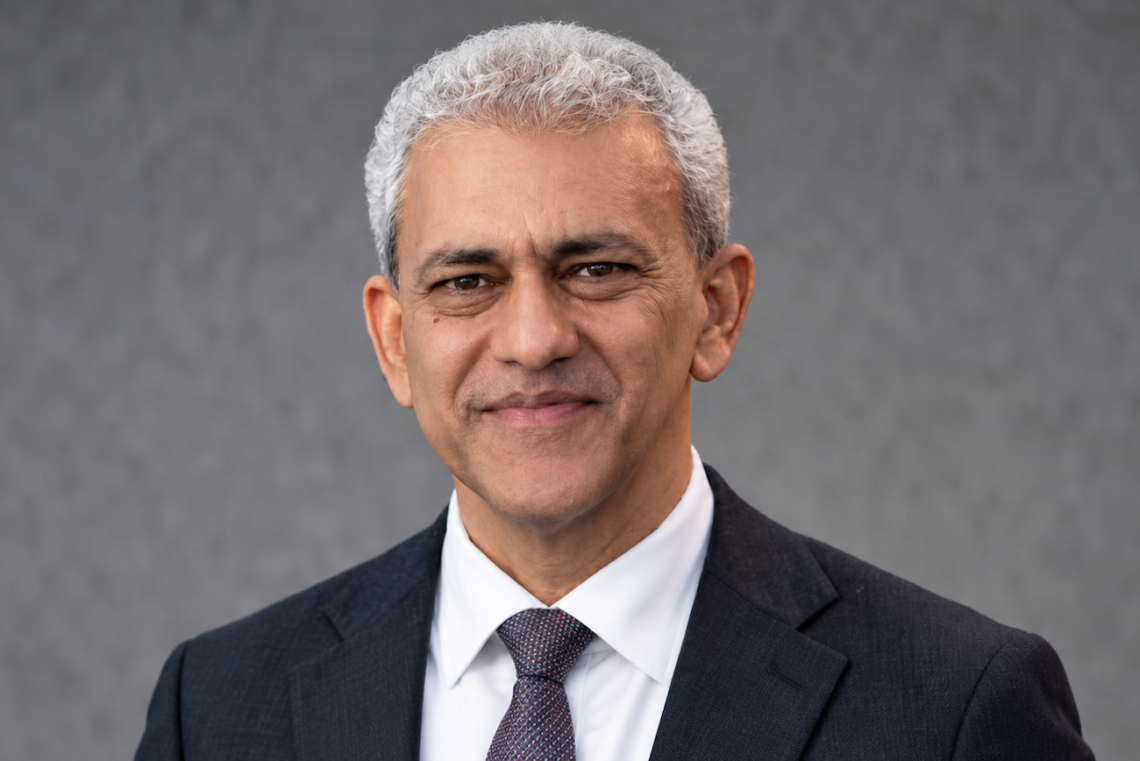
Economist Fahd Ali warned that reduced public spending on key sectors such as education, healthcare, social protection and nutrition could worsen existing inequalities and further strain vulnerable communities.
He argued that changing household consumption patterns and declining nutritional standards were signs of growing economic hardship among ordinary Pakistanis.
Economist Hadia Majid questioned the government’s commitment to gender equality, saying many of the budget’s pledges in this area appeared largely symbolic.
She argued that responsibilities for education, healthcare and social protection had increasingly been shifted to provinces already facing fiscal constraints. Majid also noted that announced tax relief measures were unlikely to benefit most women due to their limited participation in formal employment.
Despite persistent challenges in maternal healthcare, child welfare and girls’ education, the budget failed to address structural barriers preventing greater economic participation by women, she said.
Labour leader and All Pakistan Trade Union Federation Secretary General Rubina Jamil criticised the budget for failing to adequately protect workers and pensioners. She said it had been formulated without meaningful consultation with workers’ representatives and lacked targeted support for contract workers, domestic workers, home-based workers, agricultural labourers and employees in hazardous industries.
Jamil argued that the burden of economic adjustment was falling disproportionately on those least able to absorb it, reinforcing perceptions that the budget favours economic elites over working people.
Economist Aqdas Afzal also expressed concern over the government’s continued reliance on indirect taxation and limited efforts to broaden the tax base. He warned that fiscal tightening amid rising economic hardship was placing additional pressure on low-income households and salaried workers.
Afzal added that social protection measures remained inadequate and unevenly targeted, leaving many families below the poverty line vulnerable to further economic distress.