The choice is stark. Either Pakistan continues its love-hate affair with the IMF, returning every few years for another bailout, or it breaks the cycle by addressing corruption, broadening the tax base, and prioritising equitable governance, writes Dr Sakariya Kareem
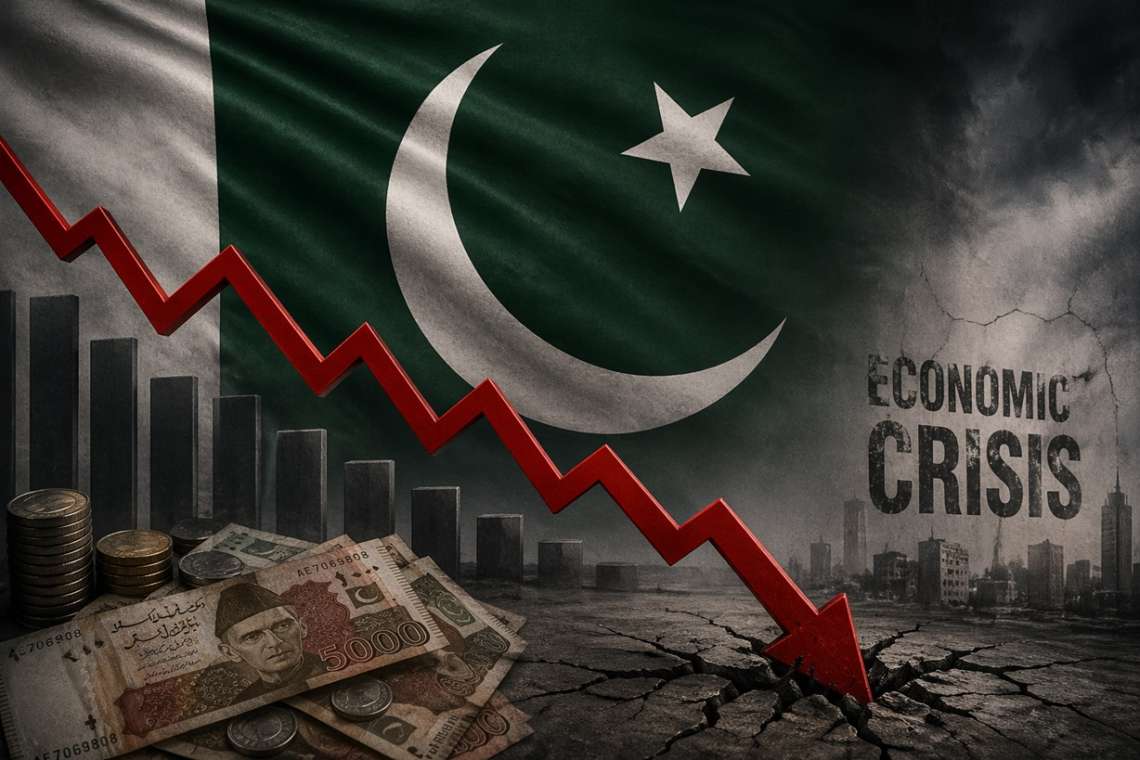
Pakistan’s economic history is marked by a recurring theme: the country’s perennial dependence on the International Monetary Fund (IMF). Since 1958, Pakistan has entered into 25 IMF programs, each promising stabilization and reform, yet each leaving the country no closer to sustainable economic independence. This cycle of bailouts has become so predictable that it resembles a ritual, repeated every few years as fiscal crises mount and policymakers scramble to secure the next tranche of foreign assistance. The latest $7 billion Extended Fund Facility (EFF), stretched over 37 months, and the accompanying $1.4 billion Resilience and Sustainability Fund (RSF), are but the newest chapters in this long, tumultuous relationship.
The $1.2 billion disbursement expected to land in Pakistan’s account on December 9, 2025, marks the 25th IMF agreement since independence. Under the Staff-Level Agreement reached in October, Pakistan will receive $1 billion under the EFF and $200 million under the RSF, bringing total disbursements under the two arrangements to about $3.3 billion. While this inflow offers temporary relief to a shaky market, it underscores the chronic dependence on external bailouts. Each program is designed to stabilize the economy through macroeconomic discipline, yet Pakistan continues to fall short of the structural reforms necessary to create long-term resilience.
The IMF’s role is not to micromanage domestic policy but to set fiscal targets, reduce deficits, increase revenue, and rationalize subsidies. How governments meet those targets remains their prerogative. Unfortunately, successive Pakistani administrations have opted for politically convenient but socially regressive measures, burdening the salaried class and consumers while shielding powerful interest groups such as agriculture, real estate, and retail from taxation. Only around two percent of Pakistanis pay income tax, a statistic that starkly illustrates the inequity of the system.
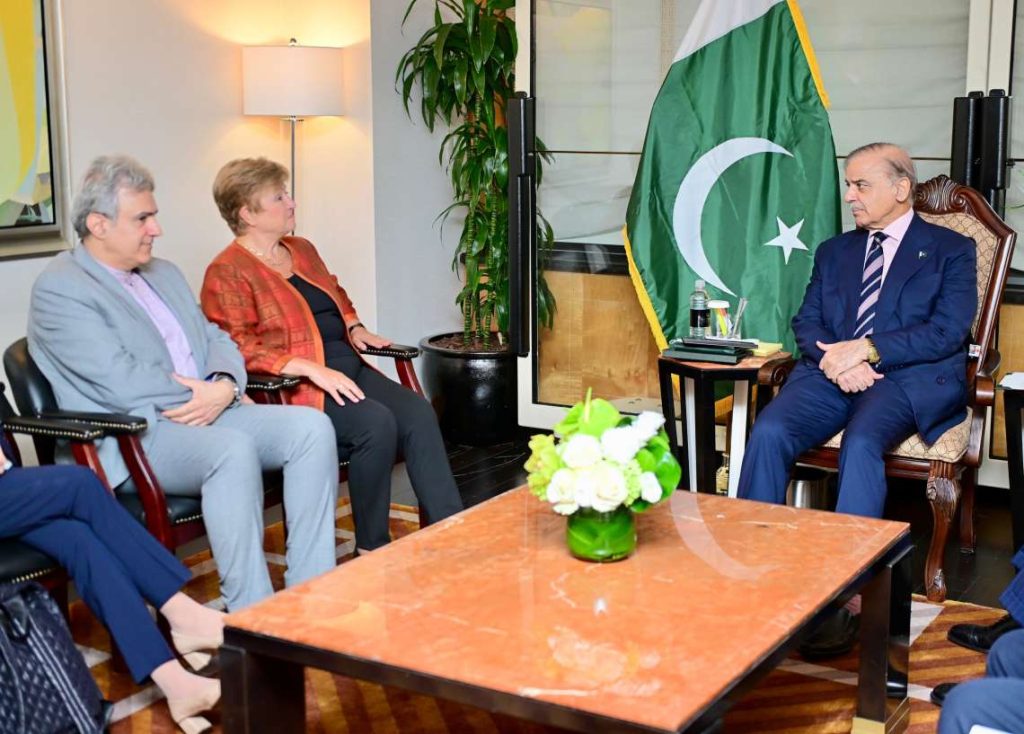
In November 2025, the IMF published its long-awaited Governance and Corruption Diagnostic Assessment (GCDA), a report that laid bare the systemic weaknesses across Pakistan’s institutions. Covering fiscal governance, market regulation, financial-sector oversight, anti-money laundering frameworks, and the rule of law, the report highlighted persistent corruption challenges and demanded immediate initiation of a 15-point reform agenda to improve transparency, fairness, and integrity. The IMF’s findings were not new; they echoed decades of criticism about weak budget credibility, poor cash monitoring, and misuse of public resources. Yet the report’s significance lies in its attempt to guide Pakistan toward reforms that could unlock long-delayed improvements in governance and economic management.
The GCDA noted that despite some progress in recent years, Pakistan continues to struggle with budget credibility. Approved projects often fail to receive funding over their life cycle, resulting in delays and cost overruns. Parliamentary oversight is weakened by substantial differences between approved budgets and actual expenditures. In 2024–25, the National Assembly approved Rs9.4 trillion in expenditure overruns, five times higher than the previous year. Constituency development funds under the direct control of legislators further skew capital investments and complicate oversight, creating fertile ground for misuse of public authority for private gain.
Critics argue that Pakistan’s reliance on IMF loans exacerbates its debt crisis. The Fund’s conditions, focused on fiscal austerity and regressive taxation, have deepened poverty and inequality. While temporary stabilization is achieved, the measures are unsustainable, pushing Pakistan further into a debt trap. The IMF prescribes fiscal discipline, but the deeper issue lies not in the conditions it sets but in the political unwillingness of Pakistan’s ruling elite to undertake reforms that would curtail their own privileges. Luxury expenditures by state institutions remain unchecked, subsidies are misdirected, and elite privileges persist even as pensioners face cuts and low-income consumers are burdened with fixed gas charges.
The energy sector exemplifies this inequity. Instead of usage-based billing, the government has imposed fixed charges that disproportionately hurt low-income households. While the IMF calls for cost recovery, equitable implementation through progressive tariffs and lifeline slabs remains entirely within Pakistan’s control. Similarly, tax evasion by powerful sectors continues unchecked, leaving the salaried class and consumers of petroleum products to shoulder the lion’s share of the burden.
Pakistan’s fiscal architecture is riddled with structural weaknesses. Weak financial management, fragmented administration, and complex legislation have created a system that is both inequitable and distortionary. The IMF has repeatedly pressed for data-based safeguards, due diligence, and guidelines against corruption, but implementation has been half-hearted. The Paris-based Financial Action Task Force (FATF) has also identified weaknesses and made recommendations, yet progress remains slow.
The problem is not a lack of diagnosis but a lack of political will. Successive governments have failed to broaden the tax base, preferring to rely on compliant taxpayers whose incomes are easily traceable. Agriculture, which contributes 20% of GDP and employs nearly half the workforce, contributes less than 0.1% of tax revenues. Real estate and retail, both lucrative sectors, remain largely untaxed. Meanwhile, the salaried class pays disproportionately more, and consumers bear the brunt of indirect taxes on fuel and utilities.
It is important to recognise the IMF’s limited mandate. The Fund operates as a facilitator of macroeconomic stability, not as an enforcer of social justice. Its programs are designed to restore fiscal discipline, not to dictate how governments achieve equity. The responsibility for equitable governance lies squarely with Pakistan’s leaders. Yet time and again, they have chosen expediency over reform, perpetuating a cycle of dependency that undermines both economic sovereignty and social justice.
The IMF has recommended pension reforms to reduce long-term fiscal liabilities, but implementation has been skewed. Cuts affect ordinary pensioners while elite privileges remain untouched. Similarly, subsidies are often directed toward politically influential groups rather than those most in need. The result is a system that entrenches inequality and erodes public trust.
Breaking free from this cycle requires more than another IMF program. It demands political courage to undertake reforms that successive governments have avoided. Luxury expenditures by state institutions must be capped. Subsidies should be redirected to the most vulnerable. Tax evasion must be addressed by bringing agriculture, real estate, and retail into the tax net. Parliamentary oversight must be strengthened to ensure budget credibility. Above all, governance must be reformed to close the gap between formal policy and actual practice.
The IMF’s conditions may be unpopular, but they are not the root of Pakistan’s problems. The deeper issue lies in the unwillingness of the ruling elite to curtail their own privileges and prioritize equitable economic governance. Until that changes, Pakistan will remain stuck in the same cycle, returning to the IMF every few years for yet another bailout.
Pakistan’s 25th IMF program is not just another financial arrangement; it is a symptom of chronic dependence and structural weakness. The $1.2 billion disbursement expected in December 2025 offers temporary relief, but it does not address the underlying issues. The IMF can prescribe fiscal discipline, but it cannot enforce political will. That responsibility lies with Pakistan’s leaders, who must choose between perpetuating a cycle of dependency or undertaking the reforms necessary for sustainable growth.
The choice is stark. Either Pakistan continues its love-hate affair with the IMF, returning every few years for another bailout, or it breaks the cycle by addressing corruption, broadening the tax base, and prioritising equitable governance. The deeper issue is not the IMF’s conditions but the political unwillingness to reform.