UN urges restraint as Trump escalates pressure on Venezuela, Maduro orders naval escorts, and global powers scramble diplomatically to avert a dangerous confrontation in energy-rich waters…reports Asian Lite News
The United Nations has stepped in to urge restraint as tensions between the United States and Venezuela escalate sharply, raising fears of a direct military confrontation in the Caribbean and northern South America. UN Secretary-General António Guterres has called on both sides to respect international law and de-escalate, warning that the standoff risks destabilising an already volatile region.
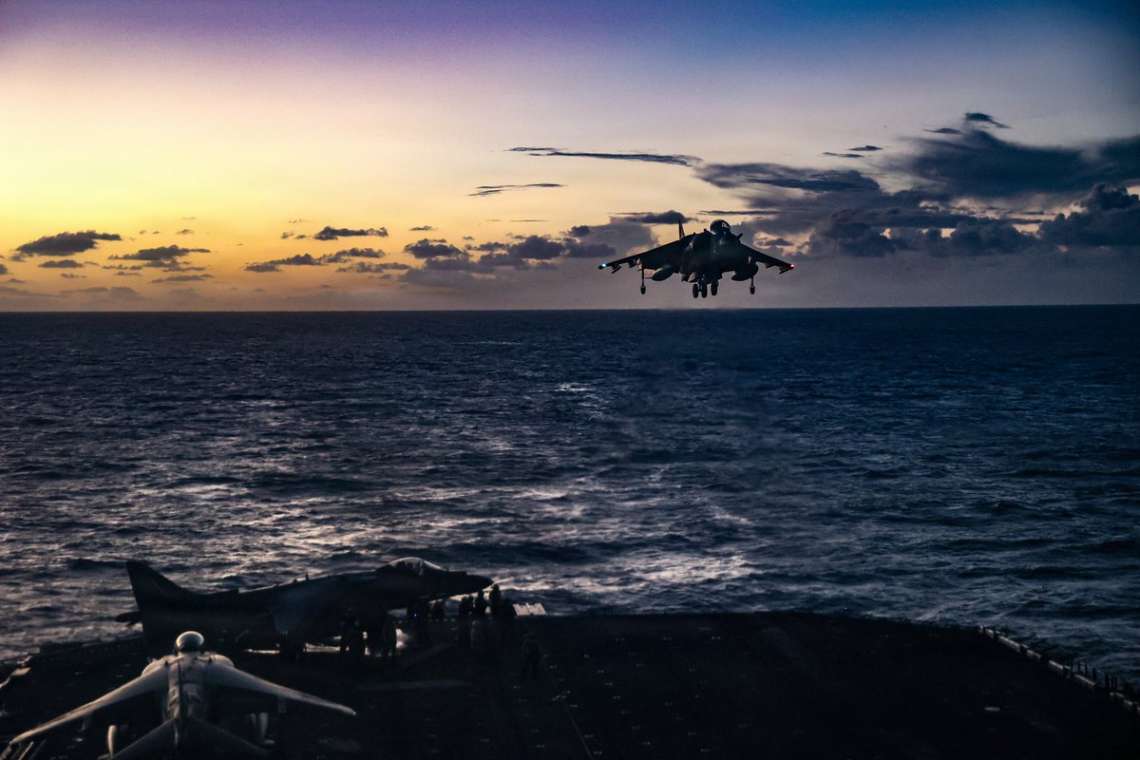
Guterres’ intervention came after a phone call from Venezuelan President Nicolás Maduro, who sought international attention over Washington’s recent actions, including a naval build-up and the announcement of what US President Donald Trump described as the “largest armada ever assembled in the history of South America”. The deployment is aimed at enforcing a blockade on Venezuelan shipping, ostensibly as part of Washington’s campaign against drug trafficking and sanctioned oil exports.
In a statement issued by the UN, the Secretary-General reaffirmed the organisation’s long-standing position that all member states must adhere to the principles of the UN Charter. He urged restraint, dialogue and de-escalation, stressing the need to preserve regional stability at a time of mounting geopolitical uncertainty. The UN has also confirmed that it is consulting members of the Security Council after receiving a formal communication from Venezuela regarding the US actions.
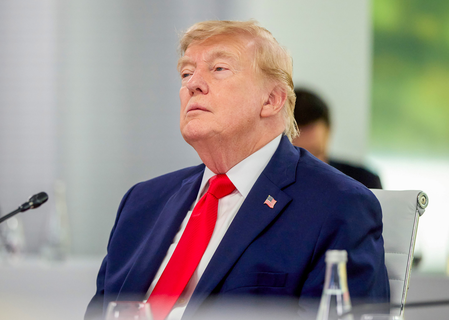
The diplomatic appeal follows a series of sharply worded statements from President Trump, who has accused Venezuela of having “stolen” American oil, land and energy assets. Writing on his Truth Social platform earlier this week, Trump warned that the US military presence around Venezuela would continue to grow until those assets were “returned”. He later told reporters that American companies had been unfairly forced out of Venezuela’s oil sector and that Washington intended to reclaim what it had lost.
Maduro has responded with defiance, accusing the United States of pursuing a thinly disguised agenda of regime change and economic colonisation. Speaking on state television and quoted by international media, the Venezuelan leader said Trump’s remarks had exposed Washington’s true intentions. He argued that the goal was not law enforcement or regional security, but the installation of a compliant government that would surrender Venezuela’s sovereignty and natural resources.
Venezuela nationalised its oil industry in the 1970s, sharply reducing the role of foreign companies, including major American firms, in its vast energy sector. Despite holding some of the world’s largest proven oil reserves, the country has struggled to capitalise on its resources due to years of political instability, corruption, sanctions and deteriorating relations with the West.
The situation escalated further this week after Maduro ordered the Venezuelan navy to escort oil tankers departing the country, a move widely interpreted as a direct challenge to the US blockade. Reports of naval escorts heading into international waters have heightened fears of a potential clash between American forces and Venezuelan vessels, particularly as US Coast Guard operations have already resulted in the seizure of at least one tanker accused of operating as part of a so-called “ghost fleet”.
The US has sought to frame its actions as limited and targeted. Officials have suggested that the blockade applies primarily to vessels already under sanctions and operating covertly, rather than to all Venezuelan shipping. One such vessel, the Skipper, was intercepted last week while reportedly en route to Cuba, with US Coast Guard personnel boarding the ship from helicopters. The operation was described as a civil enforcement action rather than a military one.
Despite these assurances, concerns have grown within the United States itself. Two resolutions introduced in the House of Representatives aimed at requiring congressional approval for any escalation narrowly failed, reflecting unease among lawmakers about the prospect of another overseas confrontation. Democratic Congressman Jim McGovern warned that the president was “beating the drums of war” without proper legislative oversight.
International reaction has also been swift. Mexico’s President Claudia Sheinbaum urged the United Nations to play an active role in preventing bloodshed and prioritising peaceful resolution. China, one of Venezuela’s largest oil customers, accused Washington of “bullying” and said the international community understood Caracas’ position in defending its legitimate interests. Chinese Foreign Minister Wang Yi reiterated Beijing’s opposition to unilateral pressure and coercive measures.
Trump, for his part, has remained unapologetic. He has repeatedly accused Maduro of clinging to power through electoral fraud and of posing a threat to US security through drug exports and the alleged release of criminals from Venezuelan prisons. The current confrontation has its roots in a US campaign launched in September against vessels accused of transporting narcotics, a campaign that has reportedly resulted in multiple boat bombings and dozens of deaths.
Against this backdrop, the UN’s appeal for calm underscores growing concern that rhetoric and posturing could tip into open conflict. While diplomatic channels remain open, the combination of naval deployments, economic pressure and political brinkmanship has created one of the most dangerous flashpoints in the region in years.