As Afghanistan nears the fourth anniversary of the Taliban takeover, Akhundzada, ruling largely from Kandahar, ordered ministers to drop the “caretaker” tag….reports Asian Lite News
The Taliban’s reclusive supreme leader, Mullah Hibatullah Akhundzada, has directed ministers in Afghanistan to remove the word “acting” or “caretaker” from their titles, signalling what experts say is a move toward formalising the group’s administration as a permanent government.
The Taliban took power in August 2021 following the collapse of the Western-backed Afghan government. Within weeks, they announced a caretaker administration composed almost entirely of senior Taliban figures, with no women or representatives from ethnic minorities included. That government structure has remained in place ever since, despite repeated international calls for inclusivity and reform.
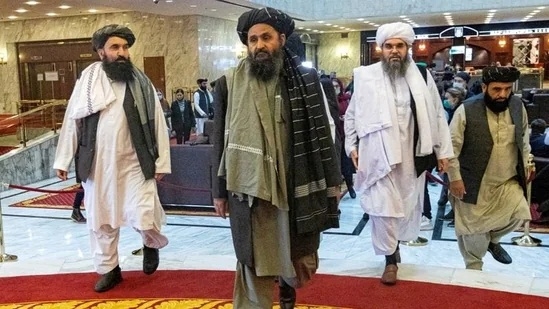
As Afghanistan approaches the fourth anniversary of the Taliban takeover on Friday, Akhundzada issued a statement from Kandahar, where he has governed largely out of public view, ordering ministers to adopt permanent titles. “All ministers and the cabinet of the Islamic Emirate should not use the word caretaker in their titles,” he declared. According to Arab News, analysts believe this order reflects the Taliban’s intention to signal that their rule is no longer temporary and that the government should be viewed as fully established.
When the caretaker administration was first introduced, Taliban officials had framed it as a transitional measure that would eventually give way to a permanent and more representative system. Many Afghans expected that a voting process — whether through elections or a traditional loya jirga (grand assembly) — would be used to form a government that included diverse political and social voices. But four years later, hopes for such a transition appear to have faded.
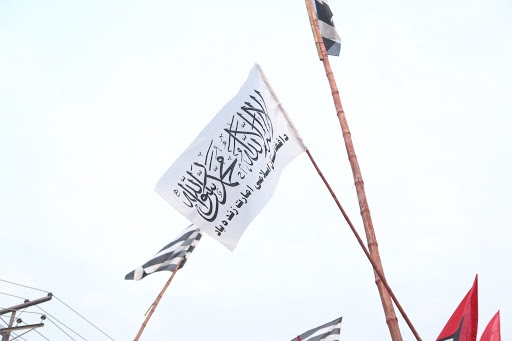
“The political implication of this decision could be that there is no hope for major change in the present form of government,” said Abdul Saboor Mubariz, a board member of the Center for Strategic and Regional Studies in Kabul, speaking to Arab News. He added that Akhundzada’s decree carries legal weight within the Taliban system, effectively replacing any need for a constitution. Mubariz also noted that the initial “caretaker” label had been intended to win international legitimacy, but with little progress on recognition — apart from Russia’s symbolic step in July — the Taliban now seem intent on consolidating their current model of rule.
Other experts suggest that removing the caretaker designation may empower ministers in Kabul with greater independence and authority. “It’s something positive. The ministries need to have a free hand and more authority in their relevant tasks,” said Naseer Ahmad Nawidy, a political science professor at Salam University. He explained that the earlier use of “caretaker” implied that ultimate authority rested exclusively with Akhundzada in Kandahar. The new decree, he argued, both strengthens ministers’ standing and reinforces the expectation that all officials must obey the supreme leader’s directives without question.
For observers, the decision marks a significant shift in how the Taliban wish to project their governance, moving from a provisional setup to what they now present as a permanent Islamic Emirate.