The President framed the new assistance as essential to stabilising the farm economy after what he repeatedly called inherited inflation and depressed commodity prices….reports Asian Lite News
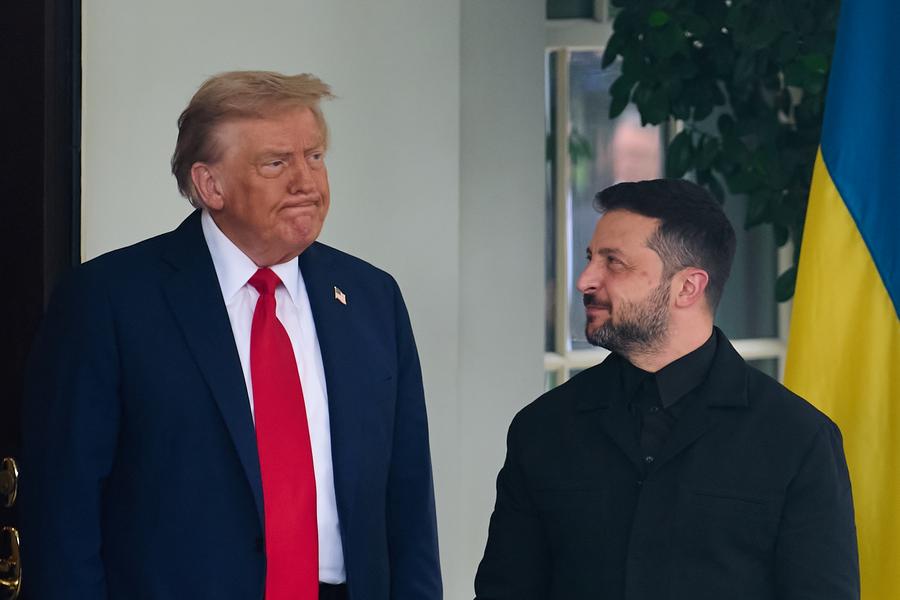
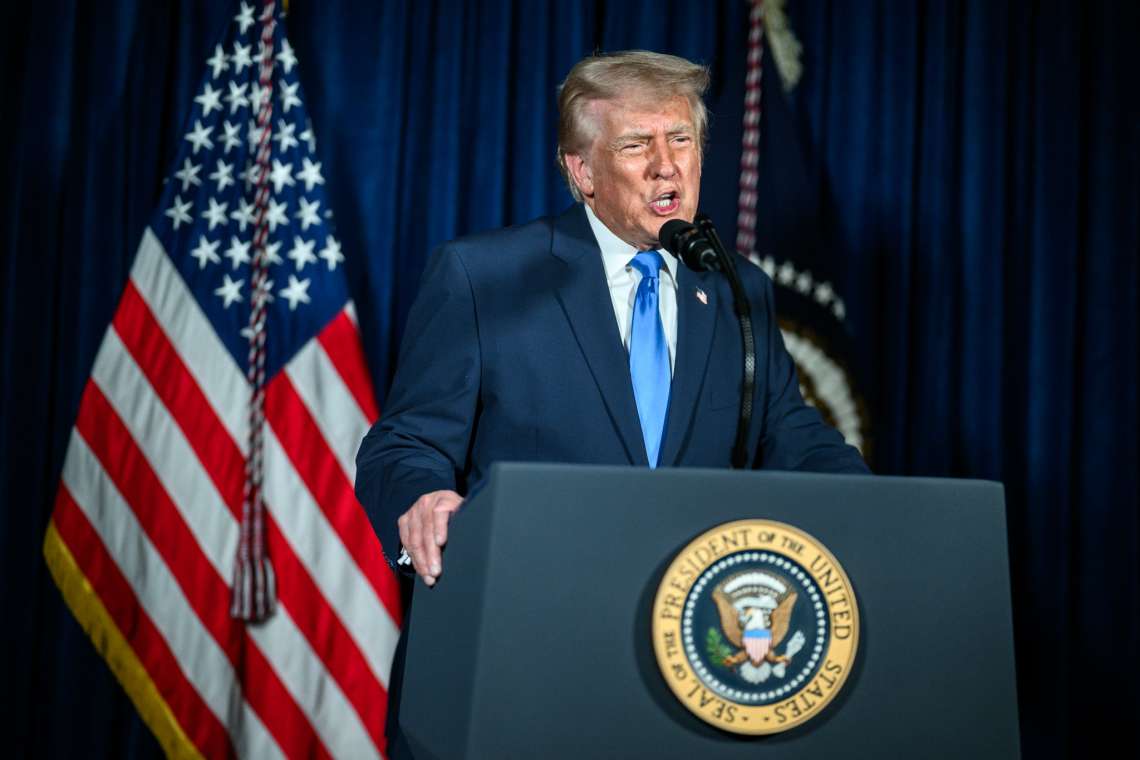
US President Donald Trump announced a multi-billion-dollar farm relief package and toughened his criticism of agricultural imports from India and other Asian suppliers, telling a White House roundtable that he would use tariffs aggressively to shield American producers.
Opening the session with farmers, lawmakers, and top cabinet officials, Trump on Moday, said the administration would direct “$12 billion in economic assistance to American farmers”, funded by tariff revenues the US is collecting from trading partners. “We’re really taking in trillions of dollars, if you think about it,” he said, adding that countries “took advantage of us like nobody’s ever seen.”
The President framed the new assistance as essential to stabilising the farm economy after what he repeatedly called inherited inflation and depressed commodity prices. “Farmers are an indispensable national asset, part of the backbone of America,” he said, arguing that tariff leverage was central to his strategy for reviving US agriculture.
India surfaced prominently as an example during a lengthy discussion on rice imports, which one Louisiana producer described as devastating for southern growers.
Meryl Kennedy, CEO of Kennedy Rice Mill, told the President that the US market was being hit by “countries… dumping rice into this country today,” adding: “The tariffs are working, but we need to double down.” She listed “India, Thailand, [and] China into Puerto Rico” as major sources of subsidised imports and said the trend was undermining domestic producers. “We’ve never seen imports this great,” she noted, pointing to a WTO case against India and urging tougher restrictions.
Trump pressed for specifics. “Why is India not allowed to do that? They have to pay tariffs,” he said, directing Treasury Secretary Scott Bessent to review potential actions. When told that Indian firms owned “the two largest brands” in the US retail rice market, Trump responded: “All right, and we’ll take care of it. That’s great. It’s so easy… Tariffs, again, solves the problem in two minutes.”
Tariffs also featured in a broader discussion of adversarial trade practices affecting soybeans and other crops. Trump said he had recently spoken with Chinese President Xi Jinping and expected large additional purchases. “China… is buying a tremendous amount of soybeans,” he said. “I think he’s going to do even more than he promised to do.”
Bessent said the Busan framework Trump negotiated with Xi included commitments for China to buy “at least $12 million metric tons of US soybeans this growing season, followed by a minimum of 25 million tons annually for the next three years.” He described the $11–12 billion farm package as a critical “liquidity bridge” and asserted that Trump was “ushering in a new golden age for agriculture.”
For many in the room, India-related trade issues were intertwined with concerns about global competition and the future of US commodity markets. Kennedy urged the administration to recognise rice as “a national security issue,” calling it “a currency in many of these countries.” She warned that subsidised foreign rice was displacing American products abroad, including in Puerto Rico, once a major market for US-grown grain.
Trump repeatedly argued that tariff authority—now subject to a Supreme Court case—was essential to confronting such practices. “If we had a president that said, no, you can’t do that… we would have never lost our chip industry,” he said while tying the argument back to agricultural imports.
Several farmers urged faster action. Iowa producer Cordt Holub thanked Trump for the “bridge payment” and said domestic policies such as E15 could boost markets at home. Trump replied, “So E15 is a big deal?” before promising continued review.
The event also saw administration officials highlight what they described as a dramatic deterioration in the rural economy under Biden. National Economic Council Director Kevin Hassett said “150,000 farms closed” during the previous administration, and that interest expenses had surged. “You wonder why it is that we need this $11 billion, maybe $12 billion… a hole was dug in the previous administration,” he said.
India-US agricultural trade has expanded over the past decade, with India exporting basmati, rice products, spices, and marine goods while importing US almonds, cotton, and pulses. Disputes over subsidies, market access and WTO complaints—particularly involving rice and sugar—have periodically strained bilateral negotiations.
China remains the largest buyer of US soybeans, and tariff-linked volatility has shaped global commodity flows since 2018. Trump’s renewed reliance on tariffs signals potential turbulence for Asian agricultural exporters in the months ahead.