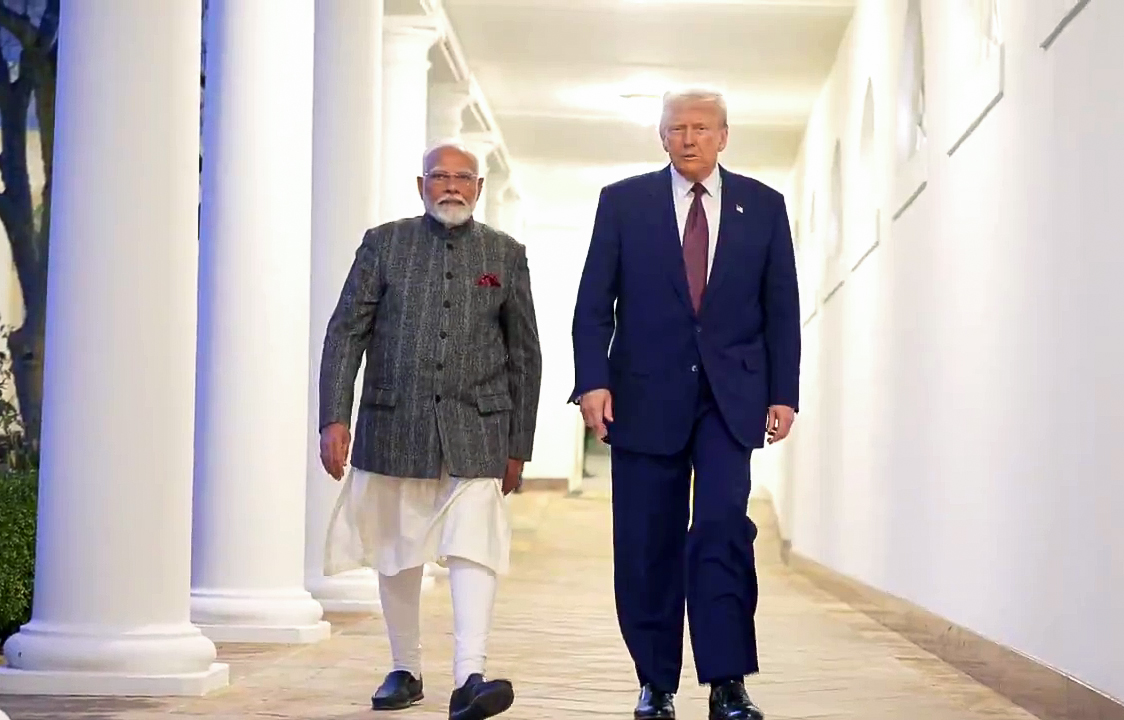
The so-called Trump–Modi “bromance” appears to have cooled when India refused to credit Trump for “stopping” the recent India-Pakistan flare-up, writes Loveena Tandon…reports Asian Lite News
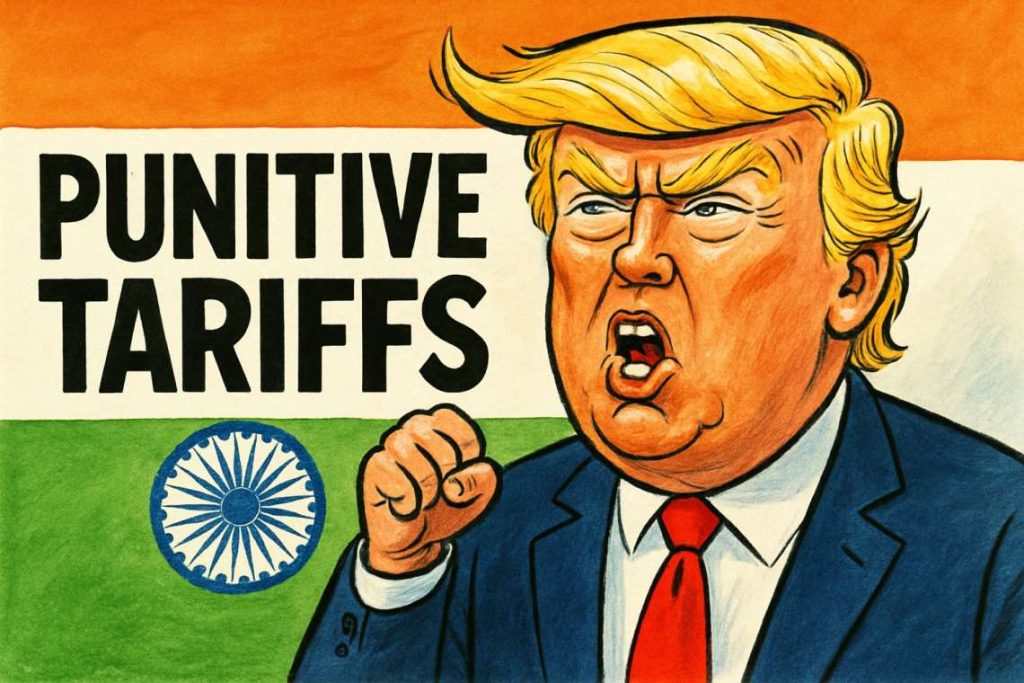
Trump’s 50% tariff on Indian goods is as much about showing off power as about economics. The irony is striking. While India is being targeted for buying Russian oil, EU countries quietly imported €21.9 billion in Russian fossil fuels last year—more than the €18.7 billion they sent in aid to Ukraine. The EU has been trying to reduce its dependency on Russia since the start of the Ukraine conflict, yet the numbers remain high.
So, is this really about energy morality—or is it messaging in a world order that’s in flux, where alliances, trade, and even climate priorities are shifting? Perhaps ego is also part of the story.
The so-called Trump–Modi “bromance” appears to have cooled when India refused to credit Trump for “stopping” the recent India-Pakistan flare-up. In May 2025, tensions surged after a terror attack in ‘Pahalgam’, prompting India to launch ‘Operation Sindoor’ in response. Trump, in his own account, claimed he had pressured both nations with trade threats to push for a ceasefire. India, however, insisted the truce came from direct military talks—no outside hand required.
The situation was complicated further when Pakistan suggested nominating Trump for the Nobel Peace Prize, praising his supposed role in the ceasefire. India, unsurprisingly, stayed away from the fanfare. And Trump, who has often hinted that he deserved the Nobel, now faced a scenario that may have marked the final crack in a relationship that once seemed firmly on friendly footing.
The tariffs on India will hit hard. Over $80 billion in exports are affected, covering around 70% of India–US trade. Labour-intensive sectors such as textiles, gems, seafood, and leather are on the front line, with garment makers potentially seeing revenues halved and smaller exporters facing sharp distress. Prolonged tariffs could shave 0.5–1% off India’s GDP growth.
To me, India’s response resonates with the historic Swadeshi movement—turning pressure into opportunity, though not without pain. Self-reliance and Make in India are the watchwords. The government is rolling out GST tweaks, credit support, and exploring new trade partners—a pragmatic push to soften the blow and open fresh avenues for exports.
The shifting geopolitics are equally dramatic. Brazil’s President Luiz Inácio Lula da Silva, facing similar 50% tariffs, declared:
“We will continue to sell [our products] … If the United States doesn’t want to buy [from us], we will find new partners. The world is big, and it’s eager to do business with Brazil.”
Meanwhile, China’s Xi Jinping called for unity against “unilateralism and protectionism”. Lula has been coordinating with both Modi and Putin, while Modi—once Trump’s trusted security ally—is set to visit China for the first time in seven years to restore flights and boost trade after years of tension.
What emerges is a bigger picture of strategic recalibration. BRICS is strengthening, and the India–China trade thaw appears pragmatic rather than emotional.
For the US, this could weaken the power of sanctions and shift the balance of global economic influence, some experts say. For me, this is exactly where the economic story truly hinges.
The Indo-US tariff saga brings to my mind the age-old saying: “When two fight, the third takes the cake.” In this case, former adversaries seem quietly to be aligning.
Trump may have intended to shake up geopolitics—but in an almost anti-clockwise direction. India isn’t fighting—it’s watching, adjusting, and quietly keeping its ‘cake’.