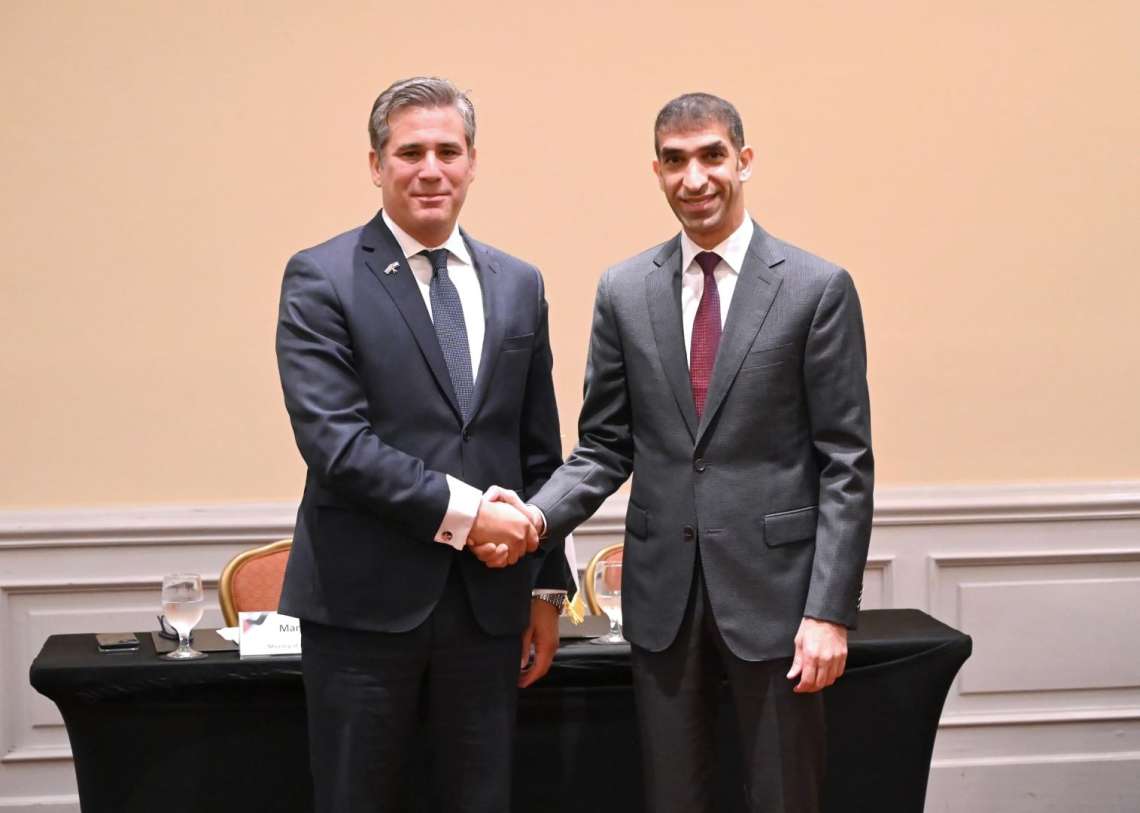
UAE strengthens economic ties with Latin America as CEPAs with Costa Rica and Chile take effect, boosting non-oil trade, investment flows and long-term development partnerships….reports Asian Lite News
The UAE is steadily deepening its economic footprint across global markets, with a growing focus on Latin America as part of its long-term strategy to diversify trade, expand investment flows and support sustainable economic growth beyond traditional partners.
In 2025, this strategy gathered fresh momentum as several Comprehensive Economic Partnership Agreements (CEPAs) between the UAE and Latin American countries entered into force. These agreements mark a significant step in Abu Dhabi’s efforts to broaden cooperation with emerging economies and unlock new opportunities for non-oil trade, services and cross-border investment.
One of the most prominent milestones was the entry into force of the UAE–Costa Rica CEPA on April 1, 2025. The agreement is designed to remove or substantially reduce customs duties, simplify trade procedures and improve market access for goods and services. It also places particular emphasis on creating new opportunities for small and medium-sized enterprises, a segment viewed by both countries as a key driver of job creation and innovation.
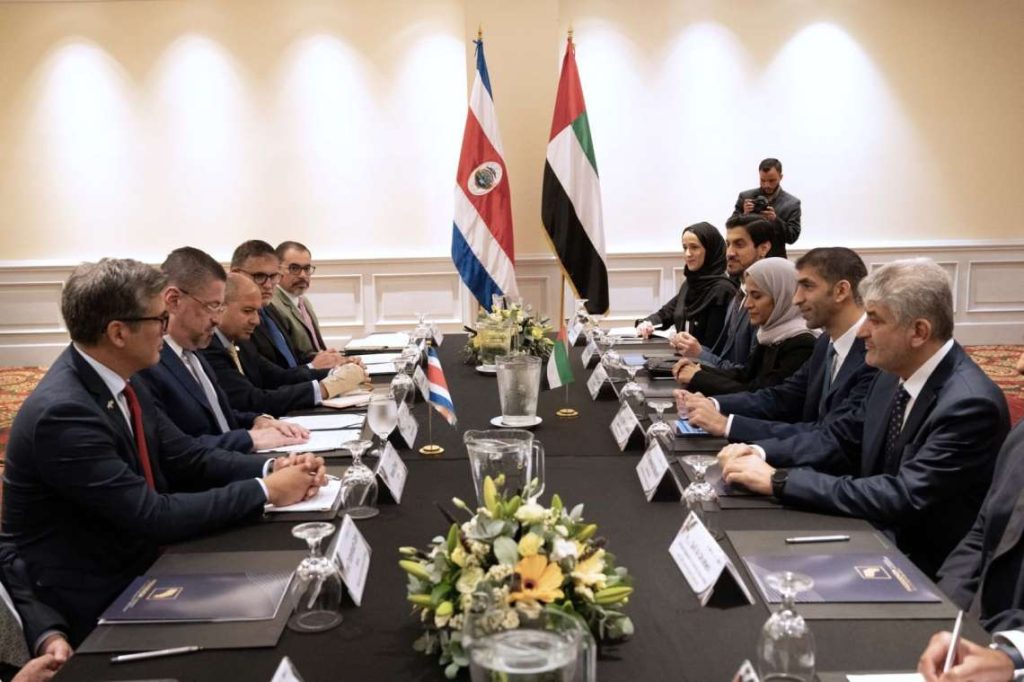
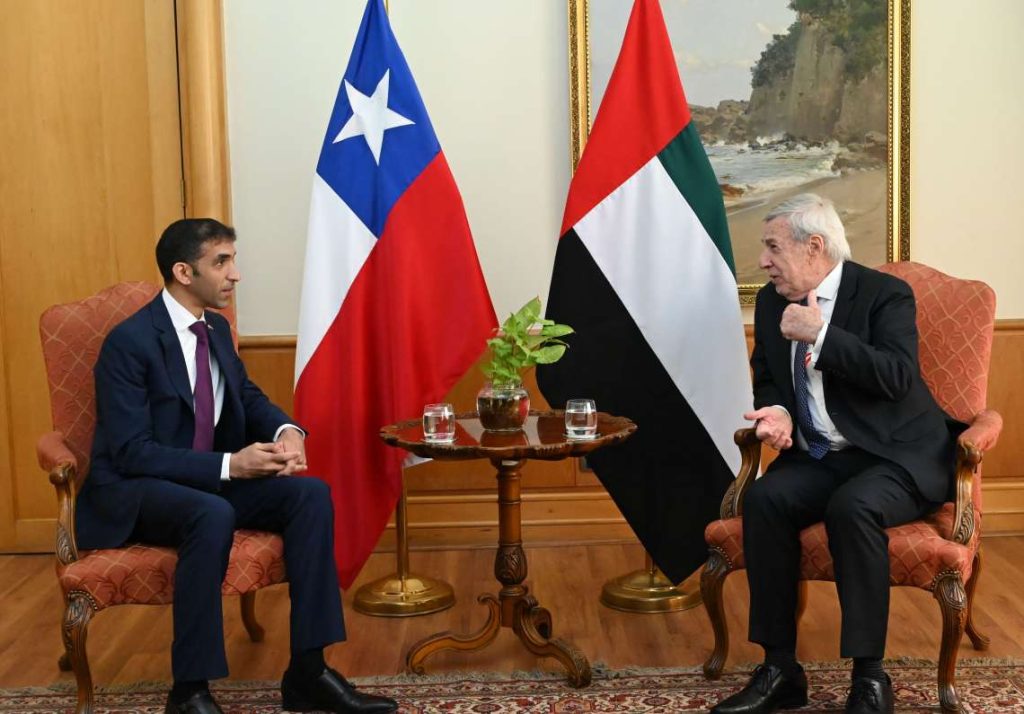
The UAE’s engagement with Latin America has been further strengthened by the implementation of the CEPA with Chile, which came into effect in November 2025 following its signing in July last year. This agreement aims to boost non-oil trade and facilitate mutual investment across a range of strategic sectors, including infrastructure, energy, logistics services, food security and advanced technology.
Officials on both sides see the agreement as a foundation for long-term economic collaboration rather than a narrow trade deal. It is also expected to support supply chain resilience and deepen cooperation in areas aligned with sustainability and future growth.
Karla Flores, Director of InvestChile, described the agreement’s entry into force as a qualitative leap in bilateral economic relations. She said it would help accelerate the interest of UAE companies and sovereign wealth funds in Chile’s investment landscape, while opening the door to a new phase of UAE foreign direct investment in the country.
In comments to the Emirates News Agency (WAM), Flores noted that the UAE has emerged as Chile’s most important economic partner in the Gulf region. She added that the CEPA builds on a strong institutional framework already in place, including the Double Taxation Avoidance Agreement that came into force in 2023 and the Customs Cooperation Agreement implemented in 2024. Together, these measures have enhanced investor confidence and strengthened the overall business environment.
Flores stressed that the agreement goes well beyond tariff reductions. It provides an integrated framework to promote investment, develop value chains and encourage collaboration between public and private sectors. Importantly, it also establishes structured mechanisms for dialogue between governments and businesses, supporting the shift towards long-term partnerships with tangible economic and developmental impact.
The UAE is not stopping with Costa Rica and Chile. Negotiations are ongoing with other countries in the region, including Peru, signalling Abu Dhabi’s intent to build a broader Latin American network of trade and investment ties.
As global economic dynamics continue to shift, the UAE’s expanding CEPA strategy reflects a deliberate push to position itself as a global trade hub linking Asia, the Middle East, Africa and Latin America. For Latin American partners, the agreements offer access to capital, technology and new markets, while reinforcing the UAE’s role as a gateway for regional and international growth.