From resilient growth to global diplomacy, infrastructure, innovation and culture, 2025 marked a year when the UAE steadily expanded its influence amid worldwide uncertainty….reports Asian Lite News
As the global economy navigated another year of subdued growth, geopolitical friction and accelerating technological change, the United Arab Emirates responded with composure rather than urgency. In 2025, while many economies struggled to regain momentum, the Emirates refined its role as a global connector — strengthening influence through consistency, diversification and long-term design.
This was not a year defined by dramatic pivots or policy shocks. Instead, it was shaped by steady, deliberate gains across economic growth, infrastructure, trade, diplomacy, technology and culture, reinforcing the UAE’s position as one of the most resilient and future-focused economies in an increasingly fragmented global order.
Poise amid global flux
Against a backdrop of restrained global expansion, with the International Monetary Fund estimating world GDP growth at around 3 per cent in 2025, the UAE continued to outperform many peer economies. Government and multilateral projections placed overall GDP growth at about 4.9 per cent for the year, revised upward from earlier forecasts, with momentum driven decisively by non-oil activity.
The non-oil economy remained the engine of growth. In the first half of 2025, real GDP expanded by 4.2 per cent, while non-oil activity rose by 5.7 per cent year-on-year, significantly above regional averages. The structural shift away from hydrocarbons became even more pronounced, with non-oil sectors contributing 77.5 per cent of total real GDP, an all-time high that underscored the success of long-term diversification strategies.
Preliminary official data showed GDP reaching AED 455 billion in the first quarter alone, supported by broad-based sectoral performance. Manufacturing grew by 7.7 per cent, while finance, insurance and construction all recorded growth exceeding 6 per cent, reflecting sustained domestic demand and investment activity.
The business landscape remained vibrant. Between January and November 2025, more than 220,000 new companies were registered nationwide, alongside over 36,000 new trademarks — a year-on-year increase of roughly 48 per cent — signalling strong investor confidence and entrepreneurial depth.
infra as an enabler of growth
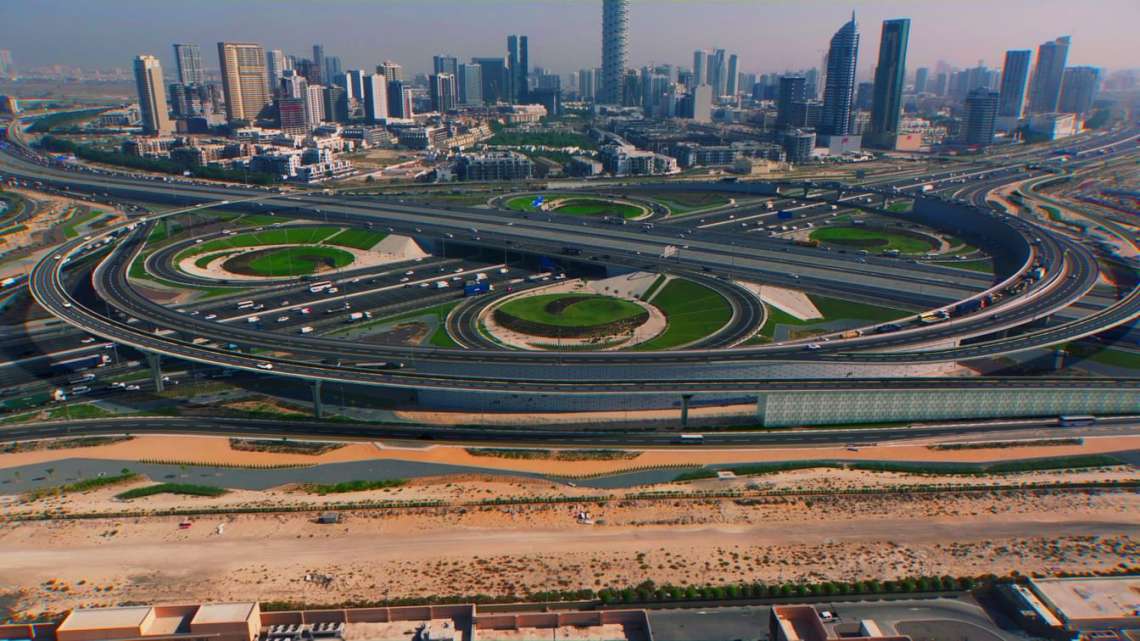
Supporting this economic momentum was a renewed focus on infrastructure as a platform for productivity, mobility and quality of life. Throughout 2025, the UAE advanced a series of strategic transport, utilities and urban development projects aligned with its long-term growth ambitions.
At the national level, the announcement of a high-speed rail link between Abu Dhabi and Dubai marked a significant milestone. Designed to reduce travel time to around 30 minutes at speeds of up to 350 kilometres per hour, the project is projected to generate an economic contribution exceeding AED145 billion over the next five decades, reinforcing inter-emirate connectivity and labour mobility.
Road infrastructure also featured prominently. National development programmes valued at more than AED170 billion through to 2030 were unveiled, aimed at improving the efficiency of the federal road network and easing traffic flows between emirates. Locally, Abu Dhabi accelerated public-private partnerships, with contracts worth AED22 billion signed during the year and more than 600 PPP projects under development, reflecting the growing role of private capital in public infrastructure delivery.
Dubai continued to invest heavily in urban resilience and transport capacity, advancing projects such as the Al Fay Street development, new access bridges to Dubai Islands, large-scale stormwater drainage upgrades under the Tasreef programme, and the expansion of the Metro network through the 30-kilometre Blue Line, set to serve around one million residents.
Across the northern emirates, projects ranged from upgraded power and water infrastructure in Sharjah and Fujairah to road expansions in Umm Al Qaiwain and Ajman, alongside aviation and tourism-related developments in Ras Al Khaimah. Collectively, these investments reinforced infrastructure’s role not just as an economic input, but as a foundation for long-term social stability and liveability.
Tourism scales new heights
Tourism remained a central pillar of growth. Forecasts from the World Travel & Tourism Council projected international visitor spending to reach a record AED 228.5 billion in 2025, a 37 per cent increase over the previous peak. Total travel and tourism activity was expected to contribute AED 267.5 billion, nearly 13 per cent of GDP, while supporting more than 925,000 jobs.
Strong hotel performance, rising visitor arrivals and resilient domestic tourism underscored the UAE’s appeal as both a luxury destination and a global business hub, supported by infrastructure, connectivity and high service standards.
Trade and global partnerships
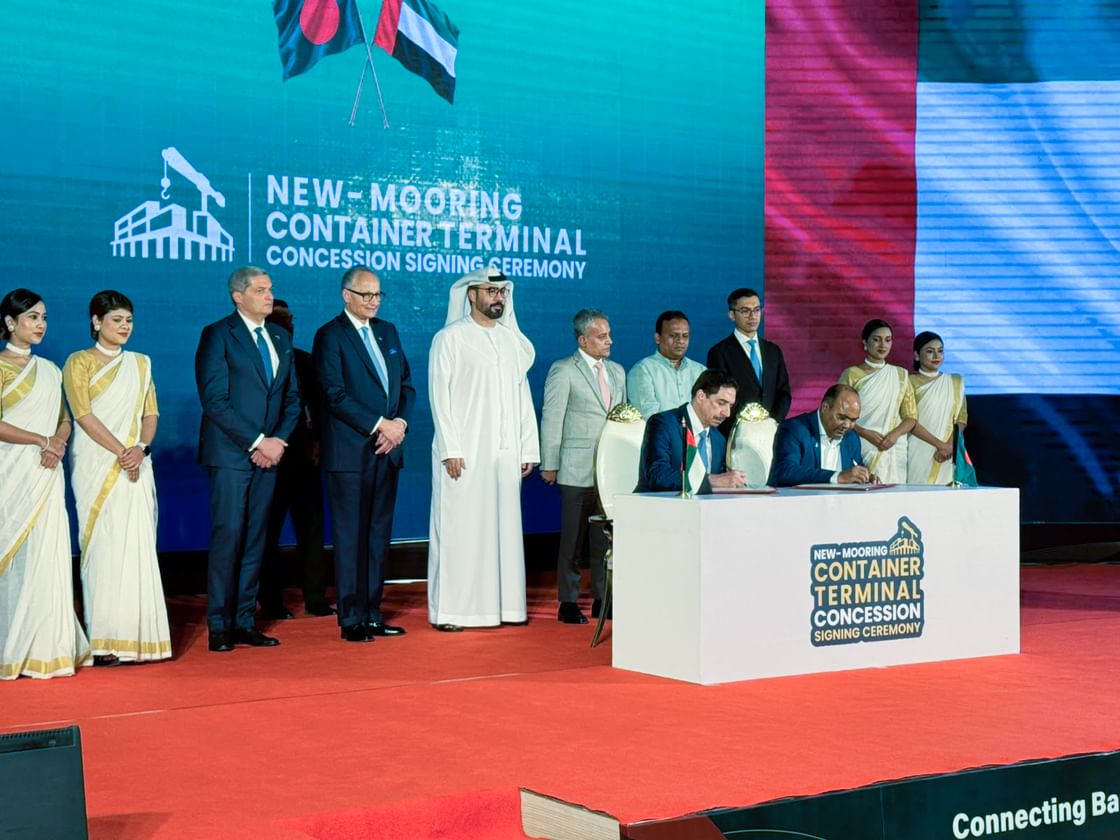
Trade continued to anchor the UAE’s outward-looking strategy. Positioned between Asia, Africa and Europe, the country reinforced its role as a logistics and commercial bridge. Abu Dhabi’s non-oil foreign trade rose by 34.7 per cent in the first half of 2025 to AED 195.4 billion, driven by exports and re-exports across manufacturing and high-value goods.
Trade diversification advanced through Comprehensive Economic Partnership Agreements and ongoing negotiations with major partners, including the European Union, aimed at unlocking future growth in goods, services and investment flows.
Diplomacy, technology and culture
Diplomatically, the UAE maintained a balanced and active posture, hosting international dialogues on technology governance, climate action, digital economies and cultural exchange. The country’s ability to convene across geopolitical divides strengthened its reputation as a trusted platform for dialogue.
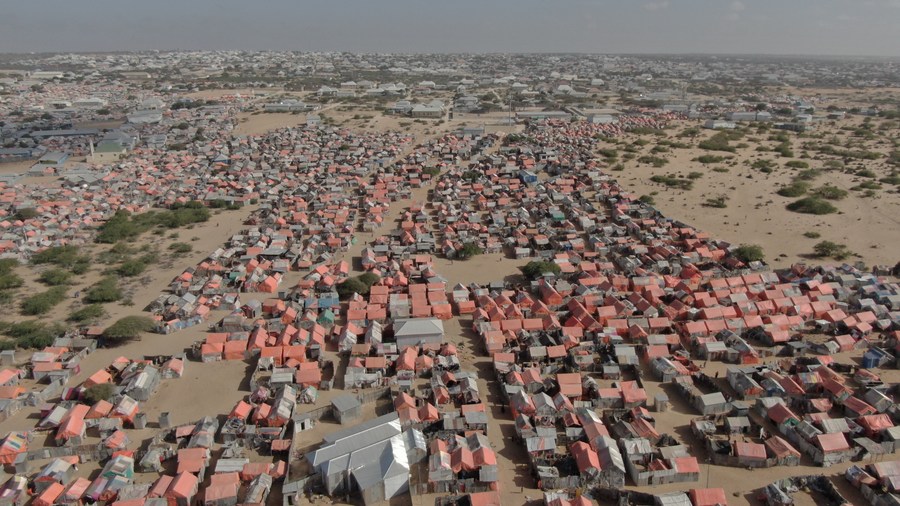
Humanitarian engagement remained visible, with continued aid delivery to conflict-affected and disaster-hit regions, combining emergency relief with infrastructure rebuilding and medical support.
Technology and innovation remained core priorities. Policies throughout 2025 advanced artificial intelligence adoption, digital government services and future-skills training, positioning the UAE as a testing ground for emerging technologies.
Culture and creative industries flourished alongside economic growth. New museums, exhibitions and cultural districts expanded the UAE’s artistic footprint, while global events, performances and sporting fixtures reinforced the country’s soft-power reach.