21.9 million people will need humanitarian assistance in 2026, a 4 per cent drop from 2025, while 17.4 million are expected to face acute food insecurity…reports Asian Lite News
The UN Office for the Coordination of Humanitarian Affairs on Tuesday launched a $1.71 billion humanitarian needs and response plan for 2026, warning that Afghanistan is set to remain one of the world’s largest humanitarian crises next year.
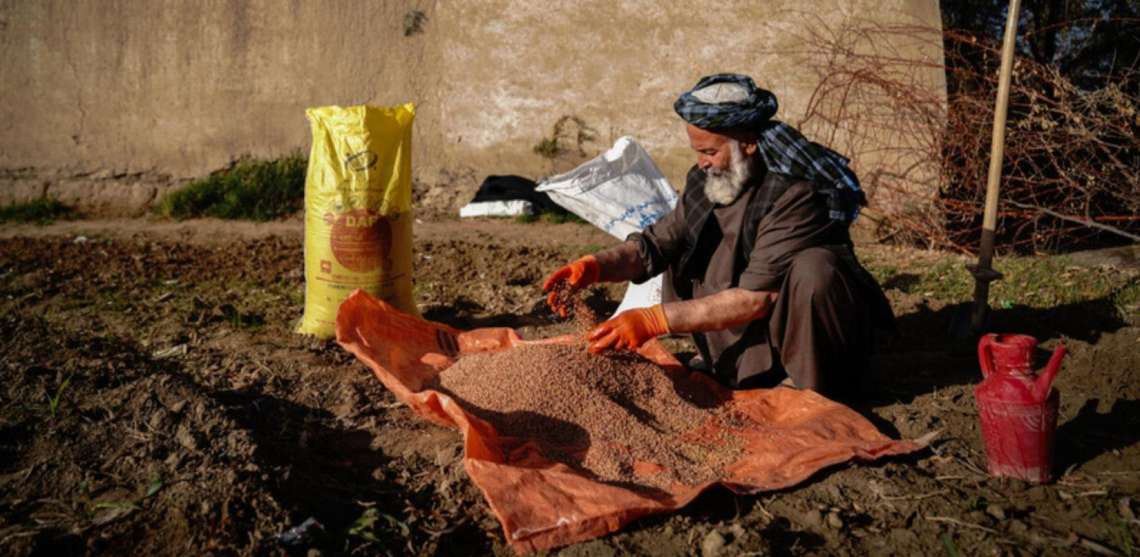
In 2026, an estimated 21.9 million people will require humanitarian assistance, a 4 per cent decrease from 2025, and 17.4 million people are projected to face acute food insecurity, including 4.7 million in IPC Phase 4 (Emergency), according to OCHA.
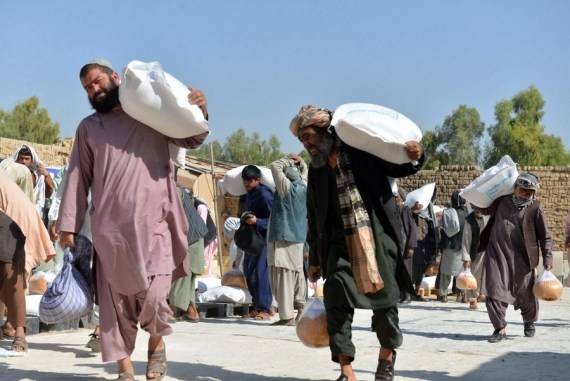
The office said that UN humanitarian partners will prioritize 17.5 million people for assistance in 2026, around 80 per cent of those in need, through a coordinated response costing 1.71 billion dollars. Assistance will focus on life-saving and protective interventions, including food, shelter, healthcare, nutrition, safe water, hygiene and multipurpose cash support, Xinhua news agency reported.
With needs remaining among the highest globally in a non-conflict setting, humanitarian conditions in Afghanistan continue to be driven by deep structural vulnerability, worsening food insecurity, and recurrent shocks, including climate-driven drought, large-scale returnee inflows, frequent earthquakes and floods, multiple disease outbreaks, and severe protection risks, especially for women and girls, the office said.
Mass cross-border returns further compound needs: more than 2.61 million Afghans returned from Iran and Pakistan in 2025 alone, placing significant pressure on host communities, basic services and livelihoods, OCHA said.