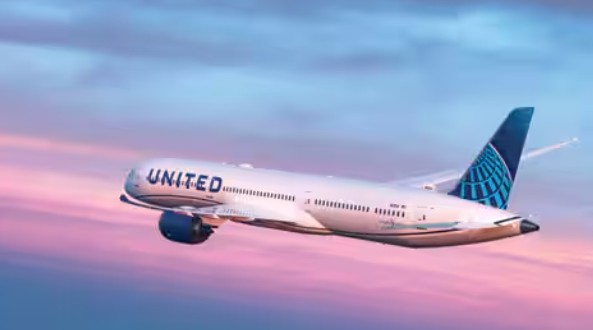
Airports in Atlanta, Chicago, Dallas, Denver, and Orlando also reported significant delays and cancellations
More than 1,000 US flights were canceled for a second consecutive day on Saturday as the Federal Aviation Administration (FAA) continued to scale back air traffic operations due to the ongoing government shutdown.
While widespread chaos has not yet taken hold, the ripple effects are already being felt across the travel and tourism sectors, with analysts warning that the disruption could intensify if cancellations continue into the Thanksgiving holiday season.
According to flight-tracking website FlightAware, both days of the FAA’s operational slowdown saw over 1,000 flight cancellations nationwide. On Saturday — typically a lighter travel day — Charlotte Douglas International Airport in North Carolina emerged as the hardest-hit, with 120 arriving and departing flights canceled by midday.
Airports in Atlanta, Chicago, Dallas, Denver, and Orlando also reported significant delays and cancellations, with staffing shortages in Charlotte and Newark contributing to the disruptions.
The FAA has announced that the reductions — currently affecting about 4 percent of flights at 40 major airports — will increase on Tuesday and are expected to hit 10 percent by Friday. Transportation Secretary Sean Duffy warned that further flight cuts could follow if the government shutdown persists and more air traffic controllers are forced off the job.
Passengers traveling this weekend experienced a mix of inconvenience and anxiety. “We all travel. We all have somewhere to be,” said Emmy Holguin, 36, who was flying from Miami to visit family in the Dominican Republic. “I’m hoping that the government can take care of this.”
For now, most airlines have managed to rebook stranded passengers, and long-haul international flights remain largely unaffected. Still, travelers are bracing for uncertainty in the days ahead. “Travel is stressful enough. Then you put these disruptions in place, and it really makes everything more challenging,” said Heather Xu, 46, from Puerto Rico, who had just finished a cruise in Miami.
Behind the cancellations lies a deepening staffing crisis among air traffic controllers, many of whom have gone unpaid for nearly a month as the federal impasse drags on. The National Air Traffic Controllers Association said many are working six-day weeks without pay, while some are taking on second jobs just to cover their bills. Increasing numbers have begun calling in sick, further straining an already short-staffed system.
Rental car companies have reported a surge in one-way bookings as stranded travelers seek alternative routes to reach their destinations. Others have opted to cancel travel plans altogether, unwilling to risk being stranded as uncertainty looms.
But experts warn that the fallout could extend far beyond passenger inconvenience. “This shutdown is going to impact everything from cargo aircraft to people getting to business meetings to tourists being able to travel,” said Greg Raiff, CEO of Elevate Aviation Group. “It’s going to hit the hotel taxes and city taxes. There’s a cascading effect that results from this thing.”
Nearly half of all US air freight moves in the cargo holds of passenger aircraft, meaning any significant slowdown in flights could have broader economic consequences. Patrick Penfield, a supply chain management professor at Syracuse University, said flight disruptions could drive up shipping costs, which would eventually be passed on to consumers through higher retail prices.
Analysts also warned that cities dependent on tourism could see declines in revenue if travelers postpone or cancel trips during the busy holiday period. Retailers and logistics firms, too, face the threat of delays in restocking shelves ahead of the festive shopping season.
For now, the situation remains fluid, but industry experts say the message is clear: the longer the shutdown drags on, the more its effects will ripple through the US economy — from airport terminals to store shelves and beyond.