May 22, 2025
3 mins read

‘Waqf not an essential part of Islam’

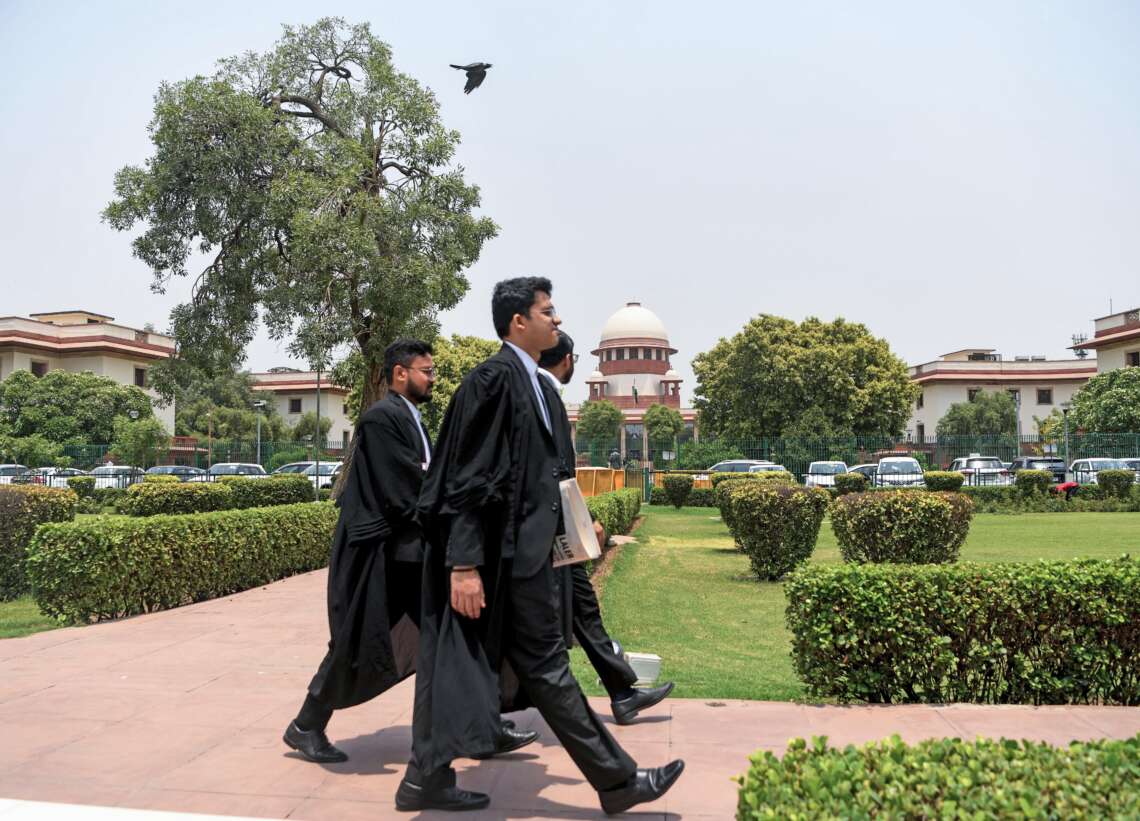
Solicitor General Tushar Mehta, representing the Centre, told a bench of Chief Justice of India BR Gavai and Justice Augustine George Masih Waqf Board does not touch upon any religious functions

The central government on Wednesday told the Supreme Court that Waqf is an Islamic concept, it is not an essential part of Islam and Waqf boards discharge secular functions.

Solicitor General Tushar Mehta, representing the Centre, told a bench of Chief Justice of India BR Gavai and Justice Augustine George Masih Waqf Board does not touch upon any religious functions.

“Waqf is an Islamic concept. But it is not an essential part of Islam. Waqf is nothing but just charity in Islam,” said Mehta, adding that charity is recognised in every religion, and it cannot be regarded as an essential tenet of any religion.

Defending the Inclusion of non-Muslims in the Waqf board, he said that it was for diversity and to take care of the secular aspects of the Board.

“Waqf Board discharges only secular function. Managing properties, register maintenance, and auditing accounts. Purely secular. There is a power to regulate secular practices in a religion. Administration of property has to be in accordance with law,” said Solicitor General, adding that having two non-Muslims on the Board will not affect any religious practice.

He said the amendments in Waqf Act were brought in after taking into confidence all stakeholders and were solely aimed at curbing mismanagement and misuse of Waqf.

Solicitor General said that the Amendment Act was passed after detailed deliberations by the Joint Parliamentary Committee, which took the views of various stakeholders across the country.

He further submitted that there was a lot of “mischief” going on in the name of Waqf-by-user, as there are cases across the country of government properties being claimed.

Abolition of Waqf-by-user is prospective, and the existing Waqfs won’t be affected if they are registered, he added. Also, Waqf-by-user is not a fundamental right, said the Solicitor General.

“Now a false narrative is being made that Waqf is being snatched. This is nothing but the country being misled. Waqf-by-user is not allowed prospectively with some exceptions. One, it should be registered,” he argued.

He also submitted that once a property comes into dispute only the Waqf character is taken away and not the possession or other rights with respect to the property.

Mehta also said that the 2025 Act included provisions regarding Waqf-Alal-Aulad, specifically concerning the protection of female inheritance rights in family endowments, ensuring that women heirs receive their rightful share before property is dedicated to Waqf.

The apex court has been hearing arguments on interim stay of the Act. The arguments will continue tomorrow as well.

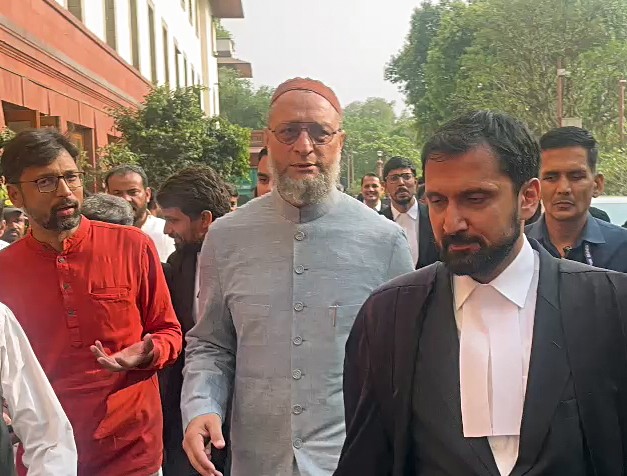
A batch of petitions challenging the Act was filed before the apex court, contending that it was discriminatory towards the Muslim community and violates their fundamental rights.

Six Bhartiya Janta Party-ruled states had also moved the apex court in the matter, in support of the amendment.

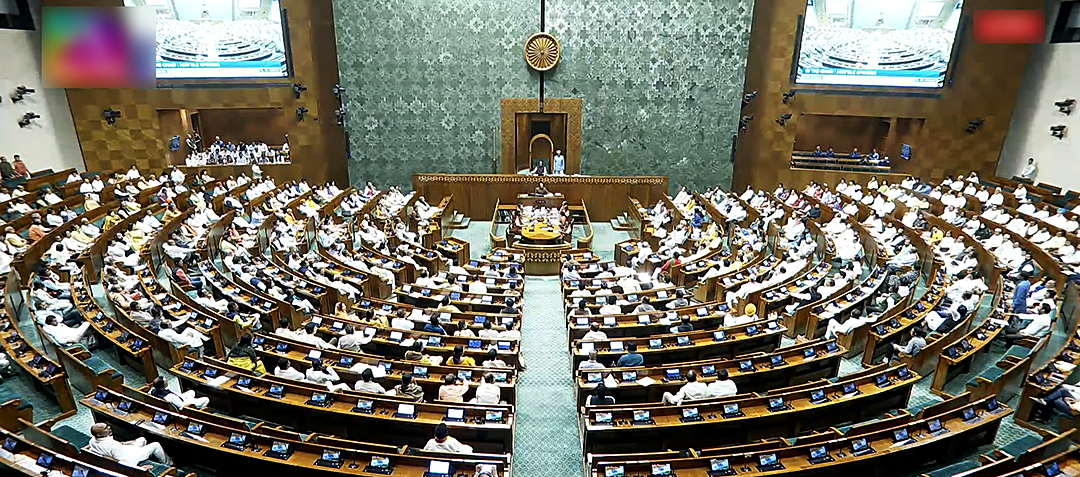
President Droupadi Murmu on April 5 gave her assent to the Waqf (Amendment) Bill, 2025, which was earlier passed by Parliament after heated debates in both Houses.

Central government had filed its preliminary affidavit in the Supreme Court while seeking dismissal of petitions challenging constitutional validity of Waqf (Amendment) Act, 2025 as it said law was not violative of the fundamental rights guaranteed under the Constitution.

The Centre in its affidavit had said the amendments are only for the regulation of the secular aspect regarding the management of the properties and hence, there was no violation of the religious freedoms guaranteed under Articles 25 and 26 of the Constitution.

The Central government had urged the court not to stay any provisions of the Act, saying that it is a settled position in law that constitutional courts would not stay a statutory provision, either directly or indirectly, and will decide the matter finally. (ANI)
Previous Story

India lost 18,200 hectares of primary forest in 2024

Next Story

Trump: No Place for Radicalism in US

Previous Story

India lost 18,200 hectares of primary forest in 2024

Next Story

Trump: No Place for Radicalism in US

Latest from -Top News

Pakistan Risks Overstretching Itself in Yemen War

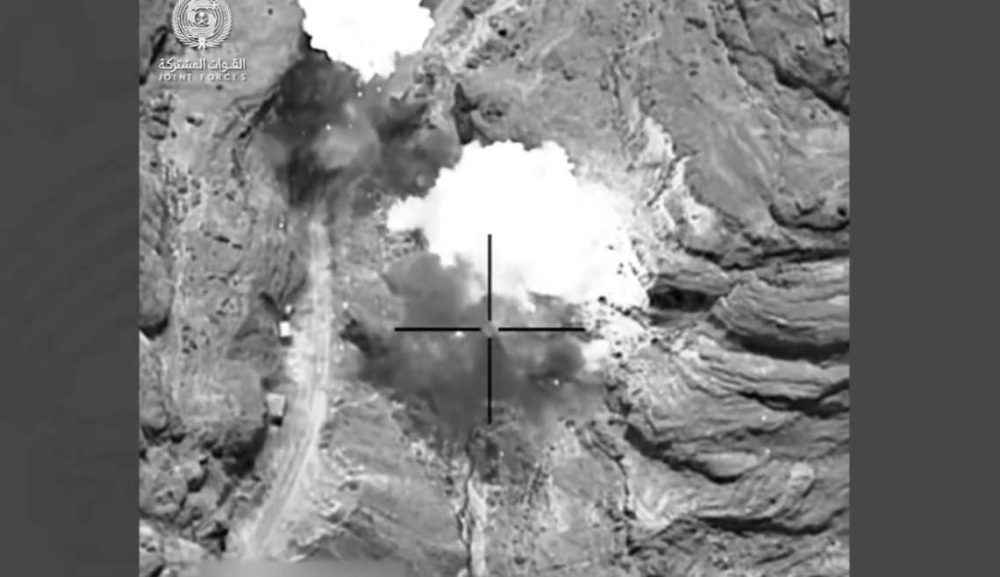
Pakistan’s expanding military role in Saudi Arabia amid the Yemen conflict could strain its defence resources and fragile finances…reports Asian Lite News Desk Pakistan’s military involvement in the war in Yemen may prove unsustainable because of mounting financial pressures and competing security demands, according to a new report. Islamabad’s growing military presence in Saudi Arabia risks stretching its defence resources while exposing the country to greater strategic and economic challenges. An article by Andrew Wilson in One World Outlook describes Pakistan’s involvement as a case of “fiscal and strategic overreach”, arguing that the country lacks the financial flexibility to sustain an expanded military commitment. Pakistan’s external finances depend heavily on an International Monetary Fund (IMF) programme, financial support from Gulf countries and remittances from Pakistani workers in the region. The report argues that deeper military involvement in the conflict could place additional pressure on these sources of financial stability. It also warns that deploying troops and military equipment abroad could weaken Pakistan’s capacity to address security challenges along its eastern border and deal with two domestic insurgencies. The move could also draw Islamabad into a conflict it has sought to approach cautiously. A Reuters report in May, citing Pakistani security and government sources, said Islamabad had deployed around 8,000 troops, a squadron of approximately 16 aircraft, mostly JF-17 fighter jets, two drone squadrons and a Chinese HQ-9 air-defence battery to Saudi Arabia. According to those sources, Riyadh was financing the deployment, with Pakistani personnel operating the equipment. The sources also said a confidential agreement contemplated the possibility of deploying up to 80,000 troops. Islamabad has not confirmed those figures, although it has acknowledged its military presence in Saudi Arabia, including the deployment of fighter jets at King Abdulaziz Air Base from April. The One World Outlook article argues that Saudi financial support can cover allowances and operating expenses but cannot easily replace military equipment needed elsewhere or resolve the political and strategic challenges of participating in the Yemen conflict. Pakistan’s defence budget is another concern. For the 2026-27 financial year, the federal government allocated PKR 3 trillion, or approximately $10.8 billion, to defence services. The allocation represents an 18 per cent increase from the original PKR 2.55 trillion provision and amounts to around 2.1 per cent of projected gross domestic product (GDP). Defence spending accounts for approximately 16 per cent of the federal government’s PKR 18.8 trillion expenditure. Military pensions are budgeted separately at PKR 822 billion, while debt servicing costs stand at approximately PKR 8 trillion, more than two-and-a-half times the defence allocation. The report argues that these competing financial obligations leave little room for additional military expenditure without placing further pressure on public finances. Pakistan’s reliance on IMF assistance also limits its fiscal flexibility. The country must meet the conditions attached to the programme, including a primary budget surplus target of 2 per cent of GDP and continued restraint on development spending. According to the article, these requirements make it difficult for Islamabad to finance an additional military commitment without compromising other budgetary priorities. Pakistan’s economic indicators offer limited reassurance. Economic growth for the 2025-26 financial year is estimated at between 3.6 and 3.7 per cent, while inflation reached approximately 10.3 per cent in September following an energy price shock. Foreign exchange reserves stood at around $21.5 billion at the end of September. Although this marks an improvement from the low levels recorded in 2023, the report notes that the reserves cover only a few months of imports. Financial assistance from Gulf partners remains central to Pakistan’s external stability. The article says Islamabad holds approximately $8 billion in Saudi deposits at its central bank. In July, the State Bank of Pakistan said Riyadh had extended the maturity of $5 billion in deposits to December 2028, easing the country’s immediate external financing requirements. A further $3 billion deposit was also extended in the spring. However, the article argues that these arrangements provide temporary relief rather than long-term financial independence, particularly as regional conflict threatens the stability of the Gulf economies on which Pakistan relies. The report concludes that Pakistan faces a difficult balance between supporting Saudi Arabia militarily and preserving the financial and military resources needed to address its domestic and regional challenges.
Go toTop

Don't Miss

India Govt Succumbs To Oppn Attack On Waqf Bill

Bill referred to a joint parliamentary committee after Union Minority

JPC on Waqf Bill gets extension till budget session 

Opposition members have been seeking an extension of the term