A year of political change, economic challenge and international uncertainty saw the UK navigate a demanding transition while pressing ahead with reform at home and a more active role abroad…reports Asian Lite News
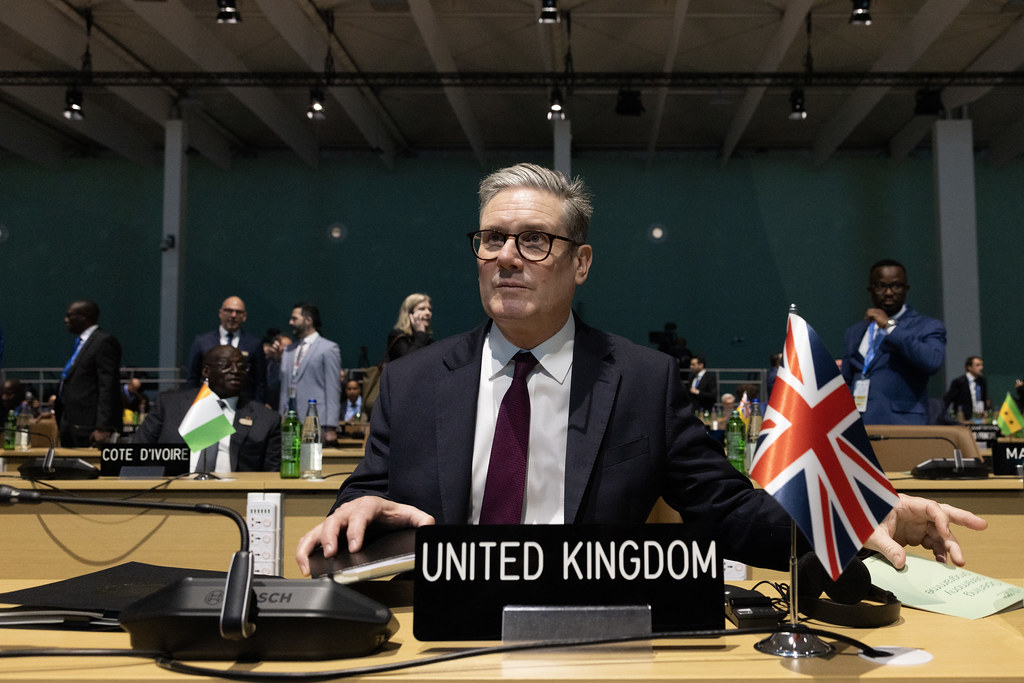
Keir Starmer once promised to make politics less of a soap opera, yet 2025 delivered a crowded and often dramatic opening chapter for the new Labour government. The year was marked by moments of tension and turbulence, but also by decisive action as ministers sought to move from opposition into the realities of governing. Against a backdrop of global instability, the UK pressed ahead with reforms, diplomatic engagement and long-term policy choices aimed at stability and renewal.
Britain’s political landscape continued to fragment as new and established forces competed for influence. Reform UK surged in the polls and delivered notable by-election and local election gains, reshaping the debate on immigration and public services. The Conservatives, adjusting to life after defeat, were pushed further to the margins, while the Green Party gained momentum under new leadership. Jeremy Corbyn’s new political project, Your Party, struggled to find coherence amid internal disagreements. Despite the noise, the overall direction of government remained focused on economic credibility, public service reform and international engagement.
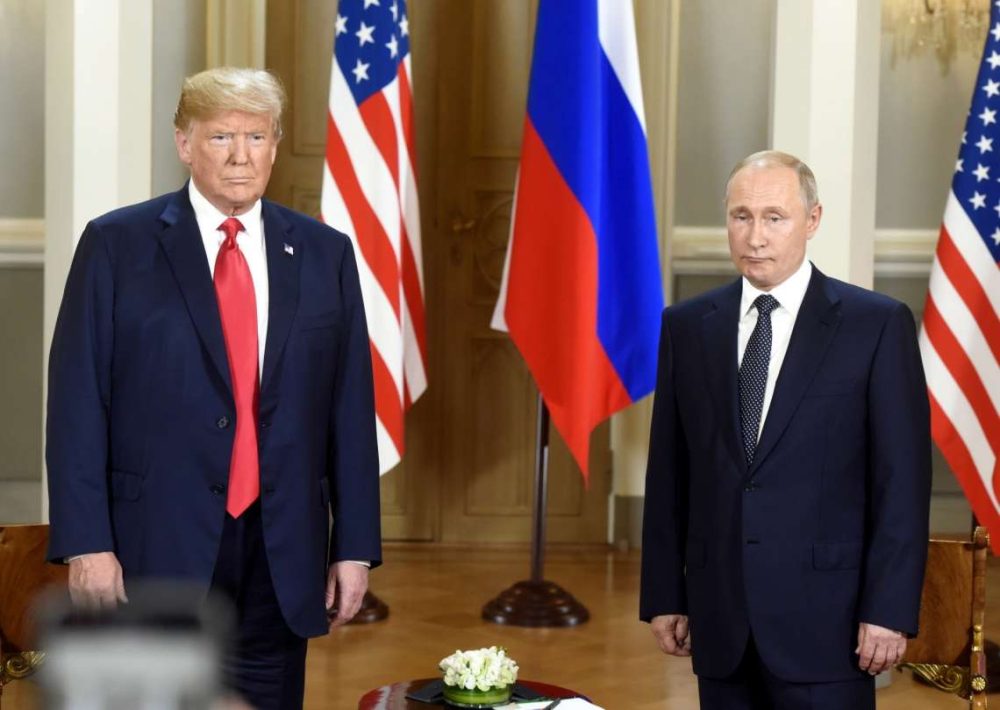
Overseas, the global picture was unsettled. Donald Trump began his second term in the White House with sweeping executive action, while conflicts in Gaza and Ukraine continued to dominate international diplomacy. A fragile peace in Gaza brought an end to active fighting, even as humanitarian concerns persisted. Russia’s war in Ukraine entered its fourth year, with efforts to secure a negotiated settlement repeatedly frustrated. In this environment, the UK positioned itself as a steady ally, reinforcing defence commitments and maintaining diplomatic pressure.
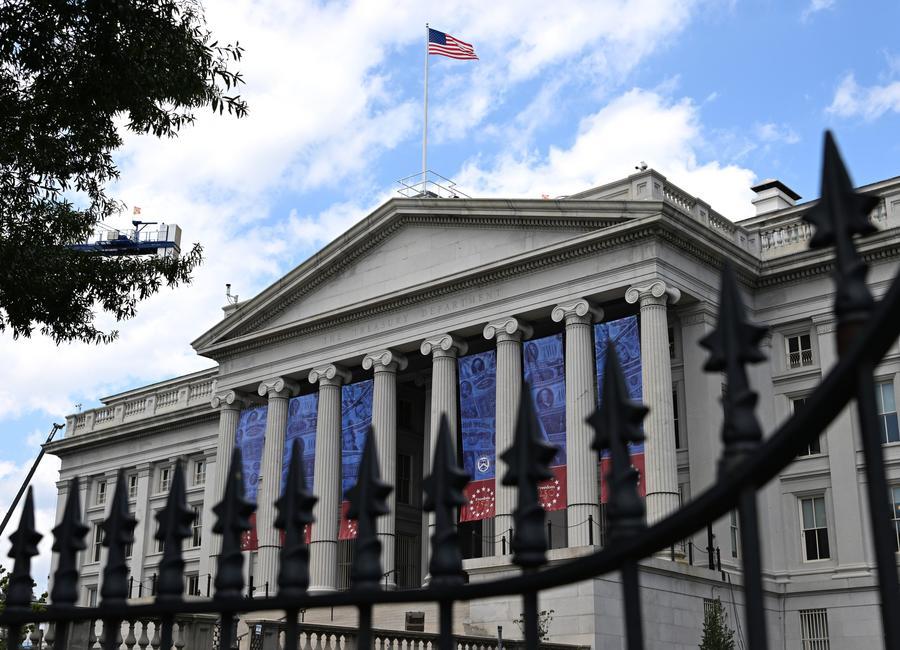
The year opened with controversy after Elon Musk entered the UK political debate, criticising the Prime Minister over grooming gangs. The government responded by ordering a rapid investigation into the abuse of young girls over several decades, signalling a willingness to confront long-standing failures. Chancellor Rachel Reeves travelled to China to court investment, underlining Labour’s emphasis on growth, even as global market volatility pushed up borrowing costs. The resignation of Treasury minister Tulip Siddiq over an anti-corruption probe added to early pressure on the new administration.
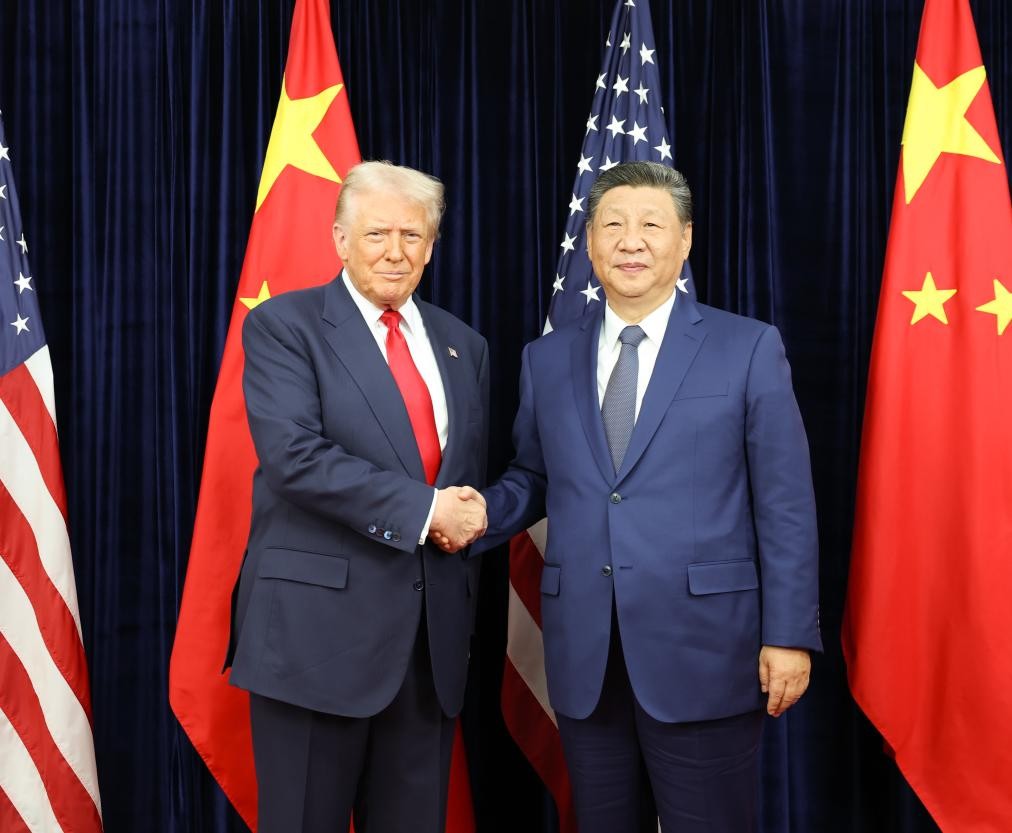
In February, Reform UK topped a national YouGov poll for the first time, underlining shifting political loyalties. The government moved to strengthen national security by committing to raise defence spending to 2.5 per cent of GDP by 2027, funded by cuts to the foreign aid budget. Starmer’s meeting with Donald Trump in Washington was seen as an effort to reset relations, combining diplomatic warmth with a clear emphasis on Britain’s strategic priorities.
March brought a show of solidarity with Ukraine as Starmer welcomed President Volodymyr Zelensky to Downing Street, helping rally international support around a future peace framework. Domestically, Labour announced plans to abolish NHS England and reduce bureaucracy, signalling a more interventionist approach to reforming public services. The Spring Statement sparked debate over welfare policy, but also reinforced the government’s commitment to fiscal discipline.

Economic intervention came to the fore in April when the government took control of the Scunthorpe steelworks to prevent closure, with Parliament recalled to approve emergency measures. The move was widely seen as a statement of intent on industrial policy. In May, Labour began the process of renationalising the railways, starting with South Western Railway, while Starmer signed a US-UK trade deal to protect British businesses from new tariffs and reached a fresh agreement with the EU to stabilise post-Brexit relations.
June focused on defence and social policy. The Prime Minister set out plans to move Britain’s armed forces towards war-fighting readiness, while Labour expanded free school meals to hundreds of thousands of children. A Spending Review boosted public services, even as internal debate continued over welfare reform. Britain also joined Nato allies in pledging to increase defence spending to 3.5 per cent of GDP by 2035.
The summer months were politically intense, with welfare reforms revised after backbench opposition and renewed scrutiny on immigration policy. The UK confirmed it would recognise a Palestinian state under strict conditions, and more seriously ill children from Gaza were evacuated to receive NHS treatment. Data breaches, resignations and diplomatic efforts all tested the government’s resilience.
In the autumn, the government pressed ahead with institutional reform. A law to prevent state cover-ups, long sought by the Hillsborough families, was introduced. Britain formally recognised Palestine at the United Nations, and plans for digital identity were accelerated. Security chiefs warned of rising threats from hostile states, reinforcing the case for increased defence investment.
The year ended with a high-stakes Budget that raised taxes, scrapped the two-child benefit limit and was overshadowed by an unprecedented document leak. Despite setbacks, key legislation passed, including the Employment Rights Bill, strengthening protections for millions of workers. By December, Labour had weathered a demanding first year, setting out a clearer sense of direction as Britain looked ahead with cautious confidence to the challenges and opportunities beyond 2025.