December 29, 2025
4 mins read

2025 sees highest British defence exports 

Britain is on course for its strongest year on record for defence exports after securing more than £20 billion worth of overseas deals in 2025…reports Asian Lite News

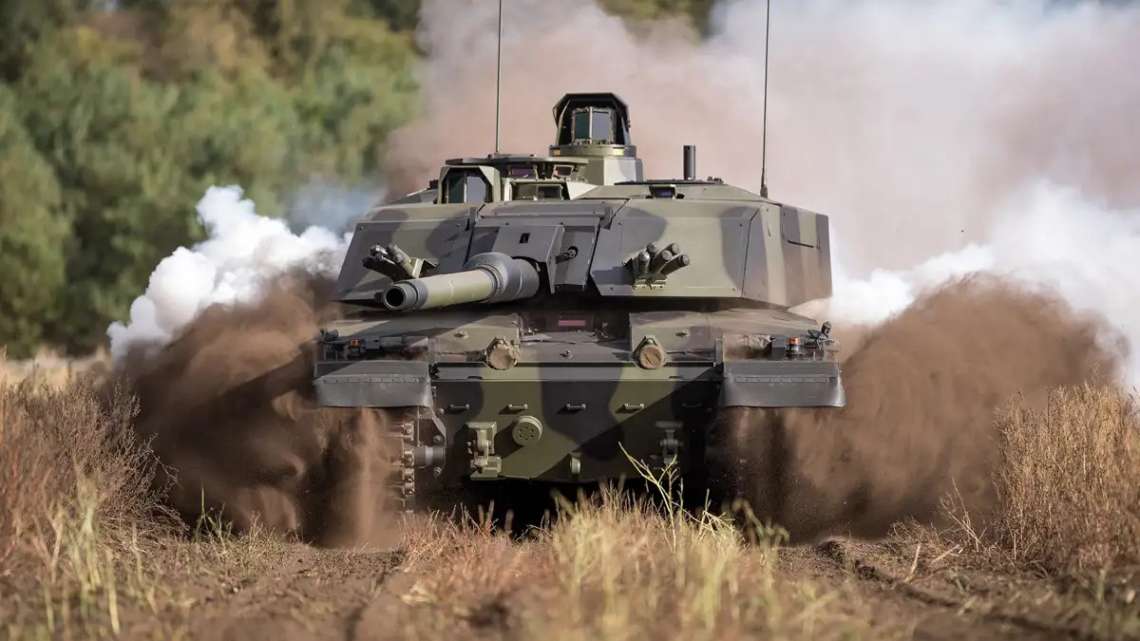
The government says 2025 is set to be the best year for UK defence exports since records began more than 40 years ago, with a series of high-value contracts agreed across Europe and beyond. Ministers argue the deals show rapid progress in delivering the ambitions set out in the Strategic Defence Review, which aims to make defence a driver of economic growth while strengthening collective security with NATO partners.

Among the largest agreements is a £10 billion deal with Norway to export at least five Type 26 frigates, described as the UK’s biggest ever warship export order. The contract is expected to support around 4,000 jobs across the country, involving more than 430 businesses of varying sizes. Shipbuilding work will be centred in Scotland but will draw on supply chains across the UK, according to the Ministry of Defence.

Luke Pollard MP, Minister for Defence Readiness and Industry, said: “We are showing again how this government is delivering on our pledge to make defence an engine for economic growth across the country while boosting our security and that of our allies. By winning the historic deal to build Type 26 frigates for Norway, we are driving growth in Scotland and across the UK while better equipping our combined navies to counter the threat from Russia in the North Atlantic. And by exporting Typhoon fighter jets to Türkiye, we are securing high-skilled jobs in Lancashire, Scotland and across the UK whilst helping strengthen NATO’s southern flank. We are committed to working with our allies and defence industries to make sure the UK is a leader in global defence exports, and there’s more to come in 2026.”

The frigate agreement has been complemented by closer operational cooperation between London and Oslo. This month the two countries signed the Lunna House agreement, under which the Royal Navy and Royal Norwegian Navy will operate more closely to counter threats in the North Atlantic. The UK has also announced the Atlantic Bastion transformation programme, aimed at strengthening submarine-hunting capabilities through the use of uncrewed systems as part of what ministers describe as a hybrid navy.

Another major element of this year’s export total is the largest fighter jet deal in a generation. The sale of 20 Typhoon aircraft to Türkiye is valued at £8 billion and is expected to secure around 20,000 jobs across the UK. The government says the agreement will bolster NATO’s collective security while sustaining high-skilled employment in aerospace hubs including Lancashire and Scotland.

In addition to the Typhoon order, the UK has agreed the export and sale of 12 C-130 aircraft to Türkiye. The combined value of these aircraft to UK defence and Marshall Aerospace Group is more than £550 million, safeguarding around 1,400 skilled jobs in Cambridge. Separately, Devon-based company Supacat has secured an order to supply 18 transporter vehicles to the Czech armed forces, adding to the breadth of defence exports concluded this year.

Beyond Europe, the UK is also looking to longer-term opportunities through its security partnerships. Earlier in the year, Britain signed a new AUKUS treaty with Australia, designed to deepen cooperation and better protect shared maritime interests. The government says the agreement has the potential to generate up to £20 billion in exports over time and support more than 21,000 UK jobs, although specific contracts linked to AUKUS are still expected to emerge over the coming years.

Ministers say they are already working to build on 2025’s performance in the year ahead. The UK is actively seeking further export opportunities in 2026, including for advanced aircraft, maritime technology and armoured vehicles such as the Boxer. To support this push, Britain has joined the Agreement on Defence Export Controls alongside France, Germany and Spain, a move intended to make it easier for British firms to export equipment to partner nations.

The export successes come as the Ministry of Defence rolls out what it describes as the largest programme of reform in more than five decades. Central to this is the creation of the National Armaments Director Group and a new International Collaboration and Exports team, designed to bring together industry, government and international partners more effectively.

UK Defence and Security Exports statistics date back to 1983, providing the basis for the claim that 2025 will mark a record year. Officials argue the scale and diversity of deals secured underline the competitiveness of British defence manufacturing and its ability to meet allied requirements at pace.

Rupert Pearce, National Armaments Director, said: “These export successes reflect the NAD Group’s mission to strengthen international partnerships while driving economic growth at home. By working as one integrated organisation, we’re facilitating access to UK defence capability for our allies to access world-leading UK defence capability, creating jobs and prosperity across the country whilst building the collective deterrence we all need.” 

Previous Story

Britain Moves Forward in 2025

Next Story

Marmite Deodorant Tops Xmas Dud List

Previous Story

Britain Moves Forward in 2025

Next Story

Marmite Deodorant Tops Xmas Dud List

Latest from -Top News

Pakistan Risks Overstretching Itself in Yemen War

Pakistan’s expanding military role in Saudi Arabia amid the Yemen conflict could strain its defence resources and fragile finances…reports Asian Lite News Desk Pakistan’s military involvement in the war in Yemen may prove unsustainable because of mounting financial pressures and competing security demands, according to a new report. Islamabad’s growing military presence in Saudi Arabia risks stretching its defence resources while exposing the country to greater strategic and economic challenges. An article by Andrew Wilson in One World Outlook describes Pakistan’s involvement as a case of “fiscal and strategic overreach”, arguing that the country lacks the financial flexibility to sustain an expanded military commitment. Pakistan’s external finances depend heavily on an International Monetary Fund (IMF) programme, financial support from Gulf countries and remittances from Pakistani workers in the region. The report argues that deeper military involvement in the conflict could place additional pressure on these sources of financial stability. It also warns that deploying troops and military equipment abroad could weaken Pakistan’s capacity to address security challenges along its eastern border and deal with two domestic insurgencies. The move could also draw Islamabad into a conflict it has sought to approach cautiously. A Reuters report in May, citing Pakistani security and government sources, said Islamabad had deployed around 8,000 troops, a squadron of approximately 16 aircraft, mostly JF-17 fighter jets, two drone squadrons and a Chinese HQ-9 air-defence battery to Saudi Arabia. According to those sources, Riyadh was financing the deployment, with Pakistani personnel operating the equipment. The sources also said a confidential agreement contemplated the possibility of deploying up to 80,000 troops. Islamabad has not confirmed those figures, although it has acknowledged its military presence in Saudi Arabia, including the deployment of fighter jets at King Abdulaziz Air Base from April. The One World Outlook article argues that Saudi financial support can cover allowances and operating expenses but cannot easily replace military equipment needed elsewhere or resolve the political and strategic challenges of participating in the Yemen conflict. Pakistan’s defence budget is another concern. For the 2026-27 financial year, the federal government allocated PKR 3 trillion, or approximately $10.8 billion, to defence services. The allocation represents an 18 per cent increase from the original PKR 2.55 trillion provision and amounts to around 2.1 per cent of projected gross domestic product (GDP). Defence spending accounts for approximately 16 per cent of the federal government’s PKR 18.8 trillion expenditure. Military pensions are budgeted separately at PKR 822 billion, while debt servicing costs stand at approximately PKR 8 trillion, more than two-and-a-half times the defence allocation. The report argues that these competing financial obligations leave little room for additional military expenditure without placing further pressure on public finances. Pakistan’s reliance on IMF assistance also limits its fiscal flexibility. The country must meet the conditions attached to the programme, including a primary budget surplus target of 2 per cent of GDP and continued restraint on development spending. According to the article, these requirements make it difficult for Islamabad to finance an additional military commitment without compromising other budgetary priorities. Pakistan’s economic indicators offer limited reassurance. Economic growth for the 2025-26 financial year is estimated at between 3.6 and 3.7 per cent, while inflation reached approximately 10.3 per cent in September following an energy price shock. Foreign exchange reserves stood at around $21.5 billion at the end of September. Although this marks an improvement from the low levels recorded in 2023, the report notes that the reserves cover only a few months of imports. Financial assistance from Gulf partners remains central to Pakistan’s external stability. The article says Islamabad holds approximately $8 billion in Saudi deposits at its central bank. In July, the State Bank of Pakistan said Riyadh had extended the maturity of $5 billion in deposits to December 2028, easing the country’s immediate external financing requirements. A further $3 billion deposit was also extended in the spring. However, the article argues that these arrangements provide temporary relief rather than long-term financial independence, particularly as regional conflict threatens the stability of the Gulf economies on which Pakistan relies. The report concludes that Pakistan faces a difficult balance between supporting Saudi Arabia militarily and preserving the financial and military resources needed to address its domestic and regional challenges.
Go toTop

Don't Miss

Regulated rail fares to rise by 4.6%  

While Rachel Reeves made no reference to train fares in

UK invites applications for Chevening scholarship

The scholarship will cover tuition fees for the selected course;