August 1, 2025
3 mins read

High-altitude intel balloon soars to new heights

The UK has successfully trialed high-altitude balloons which can conduct intelligence, surveillance and reconnaissance missions…reports Asian Lite News

The United Kingdom has made a significant leap in its defence capabilities with the successful trials of high-altitude balloons designed for intelligence, surveillance, and reconnaissance (ISR) missions. These uncrewed balloons, capable of operating at altitudes between 60,000 and 80,000 feet, offer a cost-effective alternative to traditional military aircraft and satellites, providing continuous surveillance and communications capabilities.

The trials, conducted earlier this year in South Dakota, USA, as part of Project AETHER, were led by UK company Voltitude in partnership with Landguard Systems (UK) and Aerostar (US). The balloons, each carrying an ISR payload of up to 3kg, demonstrated the ability to travel over 2,000 nautical miles and remain airborne for more than five days without maintenance. This endurance and altitude capability significantly exceed those of most military aircraft, positioning the balloons as a valuable asset for long-duration missions.

Minister for Defence Procurement and Industry, Maria Eagle, highlighted the innovation’s potential to give the UK Armed Forces a strategic edge. She noted that the technology could transform operations in complex environments, enhancing situational awareness and operational security while reducing maintenance needs. This aligns with the government’s Plan for Change, which aims to modernise and enhance national security capabilities.

“This innovation is about giving our Armed Forces the edge – better awareness, better communications, and lower maintenance needs – supporting the government’s Plan for Change. Stratospheric technology like this could transform how we operate in complex environments, keeping our people safer and better informed than ever before. This successful trial is another example of UK defence pushing boundaries, with real potential to strengthen our future capabilities,” said Eagle.

Beyond military applications, the balloons could provide critical support in disaster zones and remote areas with limited or no communication infrastructure. They can offer reliable communication and fast internet connections, aiding in humanitarian efforts and climate research. The balloons’ ability to gather meteorological data also makes them a valuable tool for weather forecasting and climate studies.

The Ministry of Defence is exploring future operational uses of the stratosphere, including vehicles capable of carrying higher payloads for mission durations of 6-12 months. This development marks a tangible step toward deploying a stratospheric ISR constellation, which could redefine the balance between cost, capability, and resilience in intelligence operations.

The successful trials have been hailed as another example of UK defence pushing boundaries, with real potential to strengthen future capabilities. The UK-developed technology represents a significant advancement in stratospheric surveillance platforms for defence applications, providing continuous ISR capability while maintaining remarkably low operating costs.

Head of UK Defence Innovation, Prove and Exploit team, James Gavin, emphasised that defence procurement is making strides in the innovation space, pushing the boundaries and scoping new technologies. These latest trials have been incredibly fruitful and pave the way for more collaborative work with allies to develop capabilities that will benefit the UK Armed Forces.

“Defence procurement is making strides in the innovation space and DE&S is looking more at the art of the possible, pushing the boundaries and scoping new technologies. These latest trials have been incredibly fruitful and pave the way for more collaborative working with our allies to develop capabilities that will benefit our Armed Forces,” said Gavin.

The use of balloons for information collection is not new, but the recent trials mark a significant advancement in their application for ISR and communications. The ability to sustain long-duration missions at high altitude may ultimately provide the UK with renewed strategic depth in the exploitation of the upper air domain.


Previous Story

Google launches new AI search feature in Britain

Next Story

Don’t care what India does with Russia, says Trump

Previous Story

Google launches new AI search feature in Britain

Next Story

Don’t care what India does with Russia, says Trump

Latest from -Top News

Pakistan Risks Overstretching Itself in Yemen War

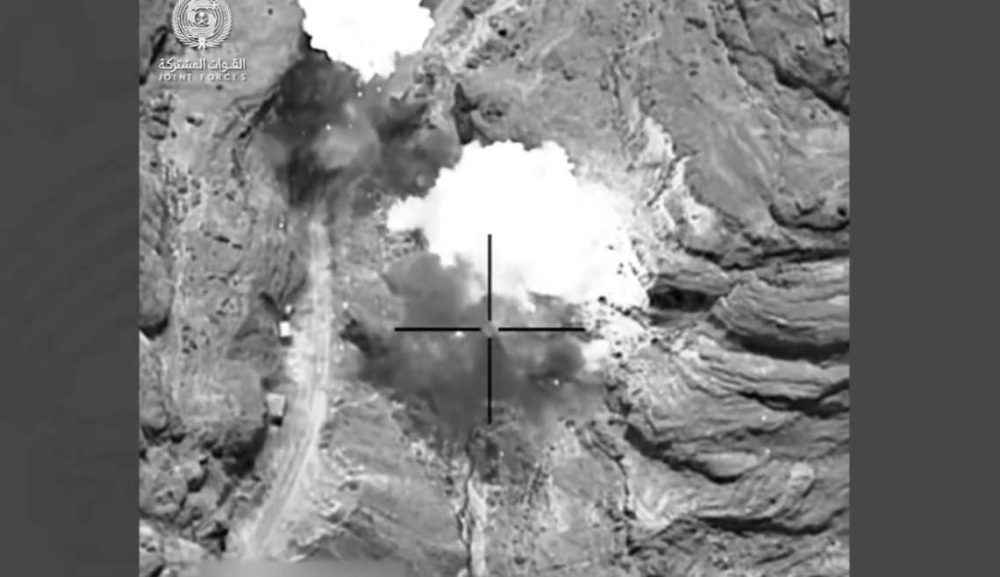
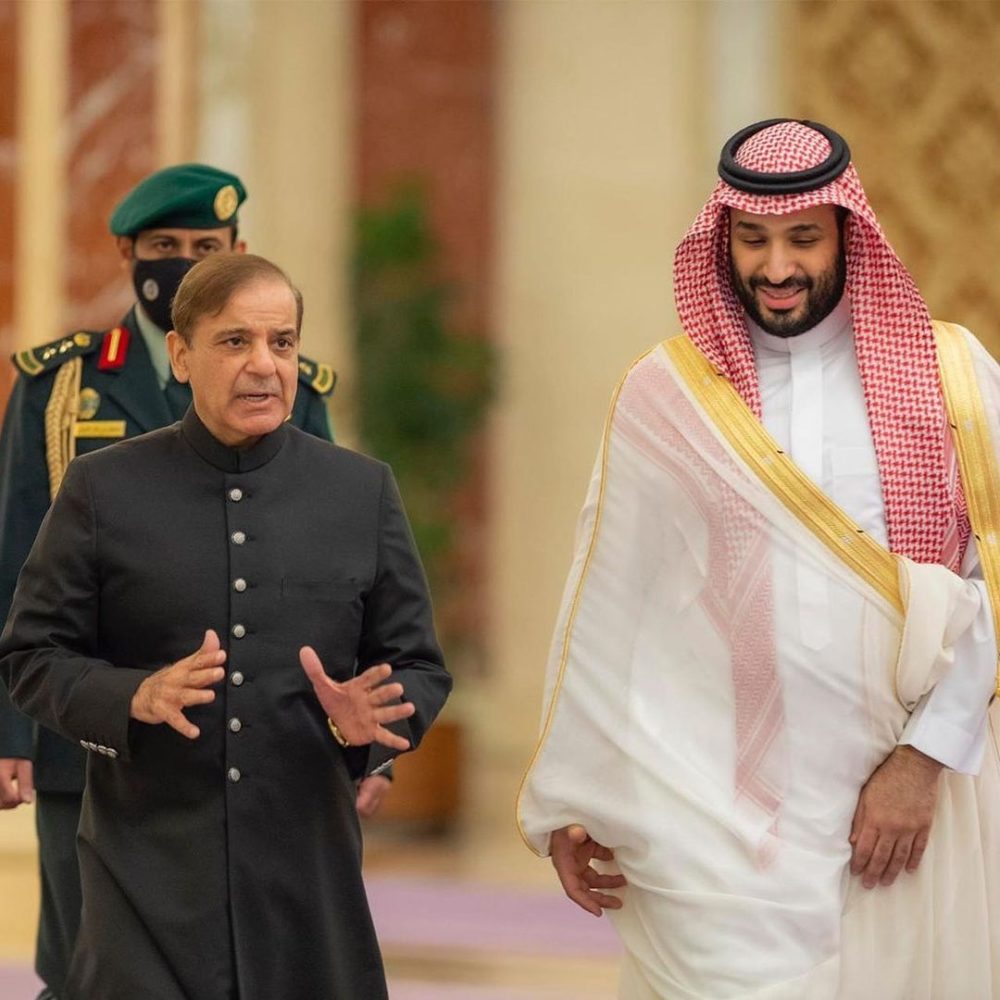
Pakistan’s expanding military role in Saudi Arabia amid the Yemen conflict could strain its defence resources and fragile finances…reports Asian Lite News Desk Pakistan’s military involvement in the war in Yemen may prove unsustainable because of mounting financial pressures and competing security demands, according to a new report. Islamabad’s growing military presence in Saudi Arabia risks stretching its defence resources while exposing the country to greater strategic and economic challenges. An article by Andrew Wilson in One World Outlook describes Pakistan’s involvement as a case of “fiscal and strategic overreach”, arguing that the country lacks the financial flexibility to sustain an expanded military commitment. Pakistan’s external finances depend heavily on an International Monetary Fund (IMF) programme, financial support from Gulf countries and remittances from Pakistani workers in the region. The report argues that deeper military involvement in the conflict could place additional pressure on these sources of financial stability. It also warns that deploying troops and military equipment abroad could weaken Pakistan’s capacity to address security challenges along its eastern border and deal with two domestic insurgencies. The move could also draw Islamabad into a conflict it has sought to approach cautiously. A Reuters report in May, citing Pakistani security and government sources, said Islamabad had deployed around 8,000 troops, a squadron of approximately 16 aircraft, mostly JF-17 fighter jets, two drone squadrons and a Chinese HQ-9 air-defence battery to Saudi Arabia. According to those sources, Riyadh was financing the deployment, with Pakistani personnel operating the equipment. The sources also said a confidential agreement contemplated the possibility of deploying up to 80,000 troops. Islamabad has not confirmed those figures, although it has acknowledged its military presence in Saudi Arabia, including the deployment of fighter jets at King Abdulaziz Air Base from April. The One World Outlook article argues that Saudi financial support can cover allowances and operating expenses but cannot easily replace military equipment needed elsewhere or resolve the political and strategic challenges of participating in the Yemen conflict. Pakistan’s defence budget is another concern. For the 2026-27 financial year, the federal government allocated PKR 3 trillion, or approximately $10.8 billion, to defence services. The allocation represents an 18 per cent increase from the original PKR 2.55 trillion provision and amounts to around 2.1 per cent of projected gross domestic product (GDP). Defence spending accounts for approximately 16 per cent of the federal government’s PKR 18.8 trillion expenditure. Military pensions are budgeted separately at PKR 822 billion, while debt servicing costs stand at approximately PKR 8 trillion, more than two-and-a-half times the defence allocation. The report argues that these competing financial obligations leave little room for additional military expenditure without placing further pressure on public finances. Pakistan’s reliance on IMF assistance also limits its fiscal flexibility. The country must meet the conditions attached to the programme, including a primary budget surplus target of 2 per cent of GDP and continued restraint on development spending. According to the article, these requirements make it difficult for Islamabad to finance an additional military commitment without compromising other budgetary priorities. Pakistan’s economic indicators offer limited reassurance. Economic growth for the 2025-26 financial year is estimated at between 3.6 and 3.7 per cent, while inflation reached approximately 10.3 per cent in September following an energy price shock. Foreign exchange reserves stood at around $21.5 billion at the end of September. Although this marks an improvement from the low levels recorded in 2023, the report notes that the reserves cover only a few months of imports. Financial assistance from Gulf partners remains central to Pakistan’s external stability. The article says Islamabad holds approximately $8 billion in Saudi deposits at its central bank. In July, the State Bank of Pakistan said Riyadh had extended the maturity of $5 billion in deposits to December 2028, easing the country’s immediate external financing requirements. A further $3 billion deposit was also extended in the spring. However, the article argues that these arrangements provide temporary relief rather than long-term financial independence, particularly as regional conflict threatens the stability of the Gulf economies on which Pakistan relies. The report concludes that Pakistan faces a difficult balance between supporting Saudi Arabia militarily and preserving the financial and military resources needed to address its domestic and regional challenges.
Go toTop

Don't Miss

Lord Nazir Ahmed found guilty of child sex offences

In March 2019, Lord Ahmed was charged with historical sexual

Consumer confidence drops 

A gauge of job security also declined, which could be