June 20, 2025
4 mins read

MPs confident of dying bill’s passage

If the Terminally Ill Adults (End of Life) Bill is approved it will then go to the House of Lords for further scrutiny

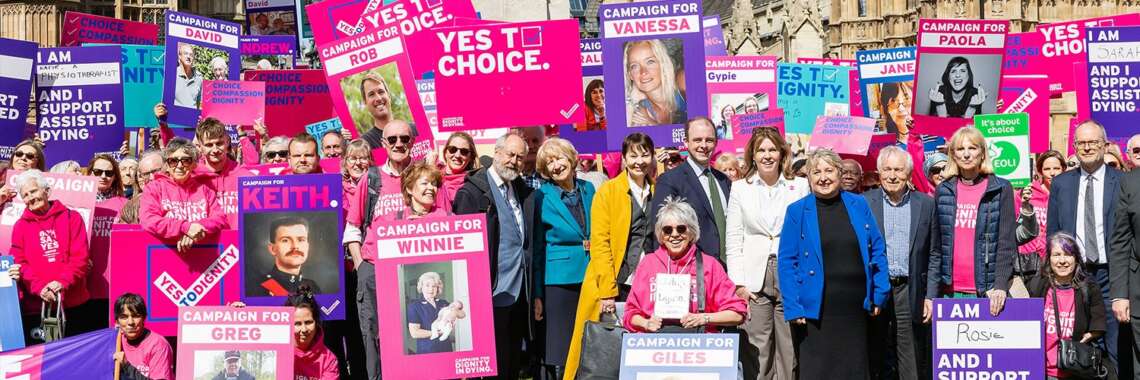
Kim Leadbeater, the MP behind the assisted dying bill, has said she is “confident” MPs will back the legislation when it returns for its final stage in the House of Commons on Friday.

If the Terminally Ill Adults (End of Life) Bill – which allows terminally ill adults to get medical assistance to end their own lives – is approved it will then go to the House of Lords for further scrutiny. If it is not approved, the bill will not go on to become law, making Friday a decisive moment for this landmark legislation.

MPs gave the proposal their initial backing in November, with 330 MPs voting in favour and 275 against but debate over the bill has become increasingly fractious. Since last year at least a dozen MPs who backed or abstained on the bill had said they were likely to oppose it.

On Thursday, a further four Labour MPs said they were switching sides to oppose the bill. Markus Campbell-Savours, Kanishka Narayan, Paul Foster and Jonathan Hinder said the bill had been “drastically weakened” since last year’s vote.

In a letter to colleagues, they warned that safeguards in the bill were “insufficient” and would “put vulnerable people in harm’s way”. Speaking at a press conference in central London, Leadbeater said the bill was “the most robust piece of legislation in the world”.

She said it had got a “good majority” of 55 in November, adding: “There might be some small movement in the middle, some people might change their mind one way, others will change their mind the other way.

“But fundamentally, I don’t anticipate that that majority would be heavily eroded. So I do feel confident we can get through tomorrow successfully.” She added that if the bill didn’t pass, it “could be another decade before this issue is brought back to Parliament”.

Some MPs have complained that the bill was not given enough scrutiny and earlier this week 50 Labour MPs urged the government to allow more time for debate.

Leadbeater insisted it was “not being rushed through”, adding: “This has been going on since November. This is not a quick thing that’s happened overnight. It has gone through hours and hours and hours of scrutiny.”

As is usual for matters of conscience, MPs will get a free vote, meaning that they do not have to follow any particular party line.

Prime Minister Keir Starmer voted in favour of the bill last year and has indicated that he will do so again on Friday. Earlier this week he told reporters his position was “long-standing and well-known”.

Conservative leader Kemi Badenoch has said that although she previously supported the principle of assisted dying, she would not vote for the bill. “This bill is a bad bill. It is not going to deliver. It has not been done properly,” she said.

“This is not how we should put through legislation like this. I don’t believe that the NHS and other services are ready to carry out assisted suicide, so I’ll be voting no, and I hope as many Conservative MPs as possible will be supporting me in that.”

Broadcaster Esther Rantzen, who is terminally ill, has been a vocal supporter of the bill. She said it would help those “for whom life has become unbearable and who need assistance, not to shorten their lives but to shorten an agonising death”. Leadbeater’s bill would let terminally ill people end their life if they:

  • are over 18, live in England or Wales, and have been registered with a GP for at least 12 months
  • have the mental capacity to make the choice and are deemed to have expressed a clear, settled and informed wish, free from coercion or pressure
  • are expected to die within six months
  • make two separate declarations, witnessed and signed, about their wish to die
  • satisfy two independent doctors that they are eligible – with at least seven days between each assessment.

Since the first vote in November, the bill has been scrutinised and amended.

Originally the bill said a High Court judge would have to approve each request to end a life.

However, this has now been replaced by a three-person panel including a senior legal figure, a psychiatrist and a social worker.

Other changes include doubling the maximum time allowed between the bill being passed and becoming law from two years to four; allowing health workers to opt out of the process; and introducing a ban on advertising assisted dying services. The bill will only become law if it is approved by both MPs and peers in the House of Lords.

Previous Story

Foxcroft quits over cuts to disability benefits

Next Story

Over 300 stars join call to ‘end UK complicity’ in Gaza

Previous Story

Foxcroft quits over cuts to disability benefits

Next Story

Over 300 stars join call to ‘end UK complicity’ in Gaza

Latest from -Top News

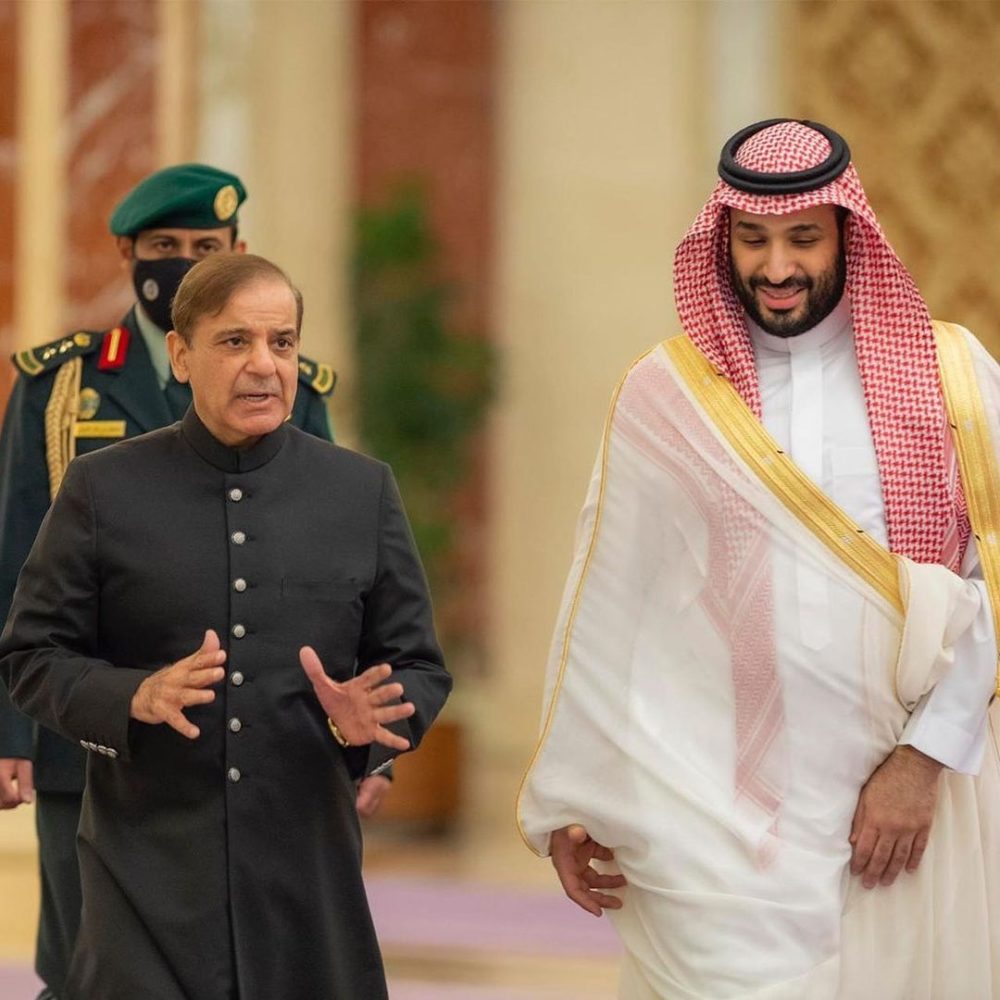
Pakistan Risks Overstretching Itself in Yemen War

Pakistan’s expanding military role in Saudi Arabia amid the Yemen conflict could strain its defence resources and fragile finances…reports Asian Lite News Desk Pakistan’s military involvement in the war in Yemen may prove unsustainable because of mounting financial pressures and competing security demands, according to a new report. Islamabad’s growing military presence in Saudi Arabia risks stretching its defence resources while exposing the country to greater strategic and economic challenges. An article by Andrew Wilson in One World Outlook describes Pakistan’s involvement as a case of “fiscal and strategic overreach”, arguing that the country lacks the financial flexibility to sustain an expanded military commitment. Pakistan’s external finances depend heavily on an International Monetary Fund (IMF) programme, financial support from Gulf countries and remittances from Pakistani workers in the region. The report argues that deeper military involvement in the conflict could place additional pressure on these sources of financial stability. It also warns that deploying troops and military equipment abroad could weaken Pakistan’s capacity to address security challenges along its eastern border and deal with two domestic insurgencies. The move could also draw Islamabad into a conflict it has sought to approach cautiously. A Reuters report in May, citing Pakistani security and government sources, said Islamabad had deployed around 8,000 troops, a squadron of approximately 16 aircraft, mostly JF-17 fighter jets, two drone squadrons and a Chinese HQ-9 air-defence battery to Saudi Arabia. According to those sources, Riyadh was financing the deployment, with Pakistani personnel operating the equipment. The sources also said a confidential agreement contemplated the possibility of deploying up to 80,000 troops. Islamabad has not confirmed those figures, although it has acknowledged its military presence in Saudi Arabia, including the deployment of fighter jets at King Abdulaziz Air Base from April. The One World Outlook article argues that Saudi financial support can cover allowances and operating expenses but cannot easily replace military equipment needed elsewhere or resolve the political and strategic challenges of participating in the Yemen conflict. Pakistan’s defence budget is another concern. For the 2026-27 financial year, the federal government allocated PKR 3 trillion, or approximately $10.8 billion, to defence services. The allocation represents an 18 per cent increase from the original PKR 2.55 trillion provision and amounts to around 2.1 per cent of projected gross domestic product (GDP). Defence spending accounts for approximately 16 per cent of the federal government’s PKR 18.8 trillion expenditure. Military pensions are budgeted separately at PKR 822 billion, while debt servicing costs stand at approximately PKR 8 trillion, more than two-and-a-half times the defence allocation. The report argues that these competing financial obligations leave little room for additional military expenditure without placing further pressure on public finances. Pakistan’s reliance on IMF assistance also limits its fiscal flexibility. The country must meet the conditions attached to the programme, including a primary budget surplus target of 2 per cent of GDP and continued restraint on development spending. According to the article, these requirements make it difficult for Islamabad to finance an additional military commitment without compromising other budgetary priorities. Pakistan’s economic indicators offer limited reassurance. Economic growth for the 2025-26 financial year is estimated at between 3.6 and 3.7 per cent, while inflation reached approximately 10.3 per cent in September following an energy price shock. Foreign exchange reserves stood at around $21.5 billion at the end of September. Although this marks an improvement from the low levels recorded in 2023, the report notes that the reserves cover only a few months of imports. Financial assistance from Gulf partners remains central to Pakistan’s external stability. The article says Islamabad holds approximately $8 billion in Saudi deposits at its central bank. In July, the State Bank of Pakistan said Riyadh had extended the maturity of $5 billion in deposits to December 2028, easing the country’s immediate external financing requirements. A further $3 billion deposit was also extended in the spring. However, the article argues that these arrangements provide temporary relief rather than long-term financial independence, particularly as regional conflict threatens the stability of the Gulf economies on which Pakistan relies. The report concludes that Pakistan faces a difficult balance between supporting Saudi Arabia militarily and preserving the financial and military resources needed to address its domestic and regional challenges.

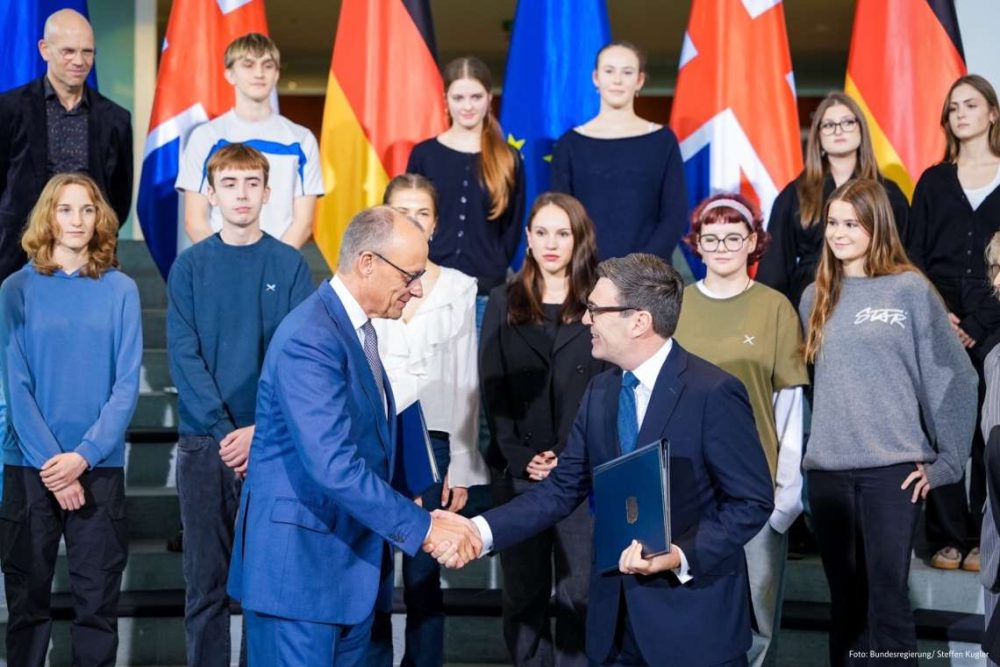
UK and Germany Ratify Kensington Treaty

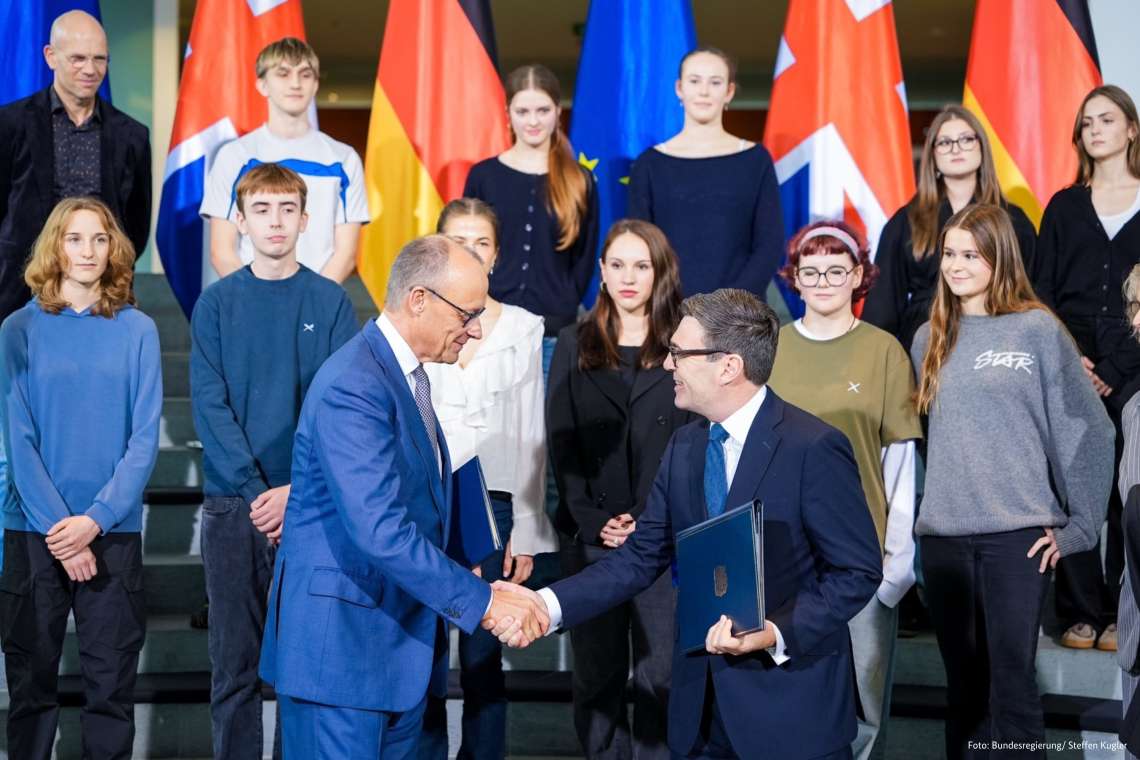
Britain and Germany ratify the Kensington Treaty, agreeing new cooperation on AI, quantum research, defence and security while targeting investment, jobs and Russian hybrid threats…reports Asian Lite News Desk Britain and Germany

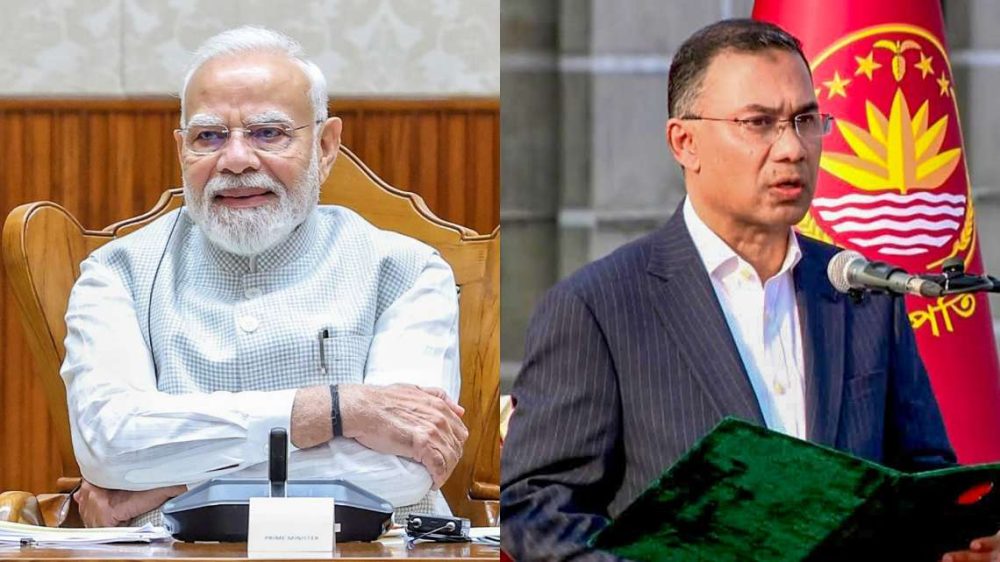
Economic tide is turning in Bangladesh

If there is one thing that can bring some comfort to the struggling Bangladeshi economy, it is good relations with India. Bangladesh should remember that Delhi’s backing, through easy supplies of essentials
Go toTop

Don't Miss

5th aide’s exit strains Johnson’s grip

Senior Conservative MPs on Friday issued a fresh warning to

SPECIAL: Onam Song ‘Ponnonachindhu’

Tutorsvalley Music Academy in London Unveils 2024 Onam Song “Ponnonachindhu”