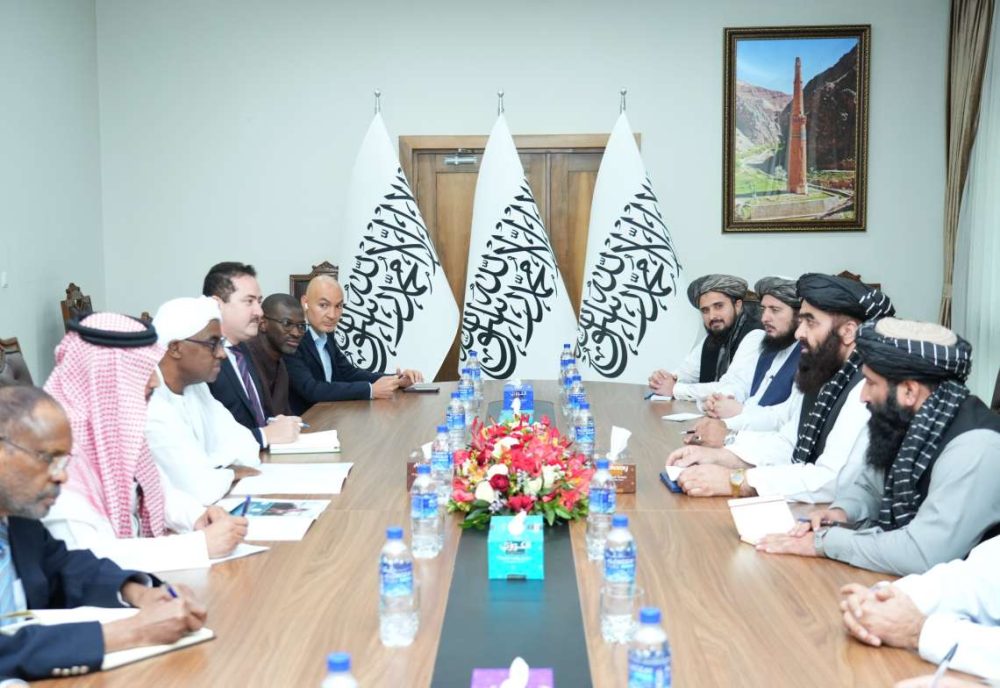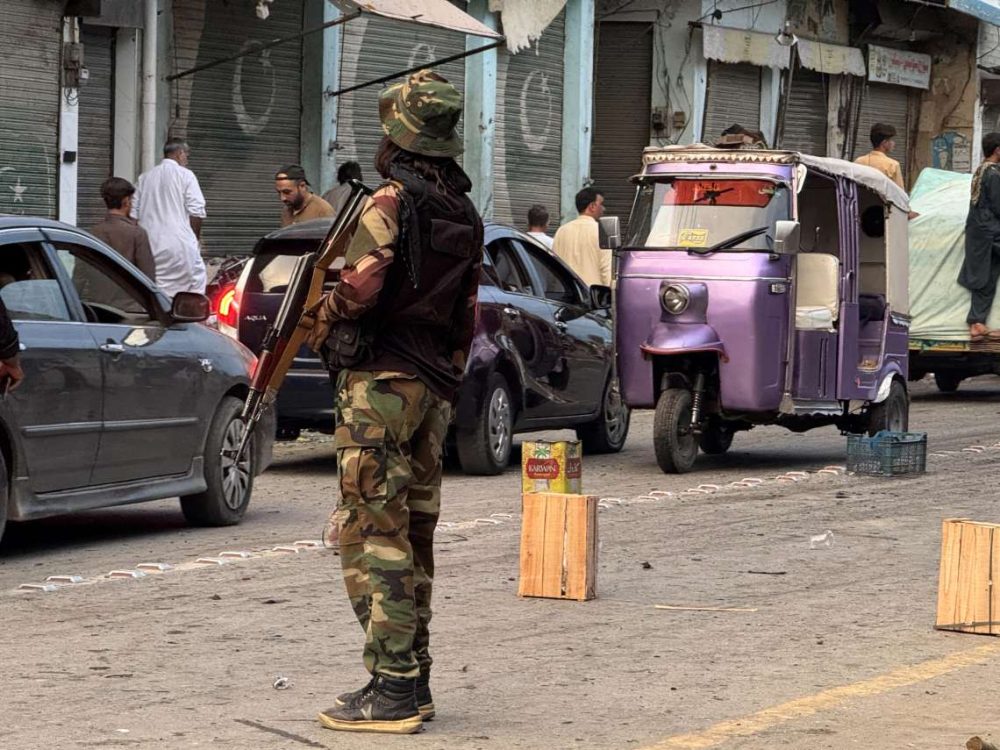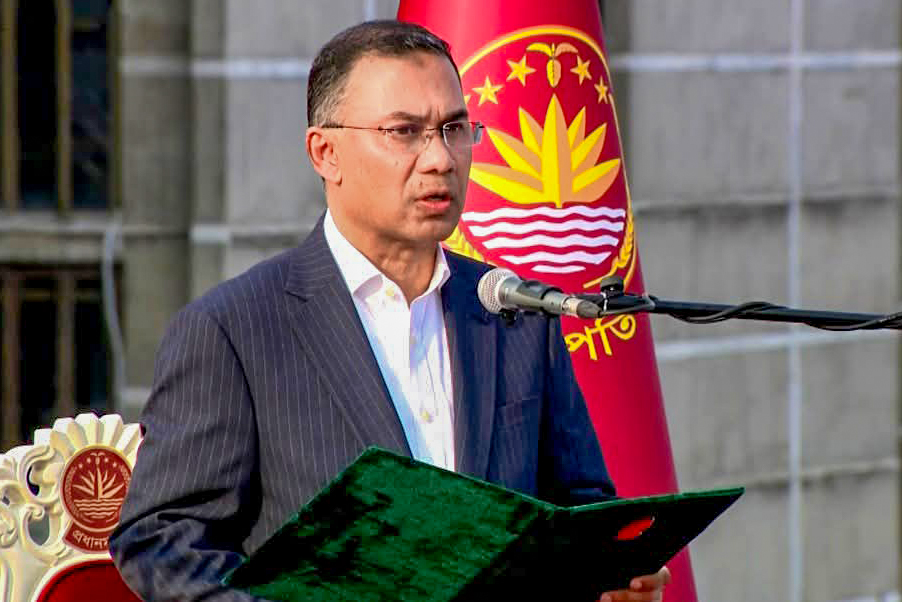
Tarique Rahman had emphasised on the need for unity across religious, political and ethnic lines and declared that the country “belongs to everyone.” The emphasis on the statement “whether living in the mountains or in the plains, the country belongs to all of us and we want to make this country a safe land for every citizen” is a ray of hope for the beleaguered minorities of Bangladesh, whether religious or ethnic, under the Bangladesh Nationalist Party government, writes Dr Sakariya Kareem
The rich heritage of assorted communities, culture and religion that Bangladesh had bequeathed as a part of its history was a powerful model of unity in diversity. It will be a sad day if the ruling dispensations in Bangladesh fail to protect this heritage from the onslaught of fundamentalist Islam.
Bangladesh is a confluence of four principal universal religious faiths: Islam, Hinduism, Buddhism and Christianity. Out of a total population of about 175 million in the country, 90 percent of people are followers of Islam, Hinduism is the faith of about eight percent of people while followers of Buddhism and Christianity constitute another two percent. Among the followers of Islam, the overwhelming majority are Sunni Muslims; while there are also Shia and Ahmadi Muslims.
Such a mosaic of religious faiths could have been like a bouquet of assorted flowers, but it is a measure of the level of intolerance prevailing in the country that the Hindus who constituted about 20 percent of the total population during the formation of Bangladesh in 1971 has now come down to only eight percent of the total. This decline has been attributed to three factors: the lower birth rate among Hindus compared to Muslims, migration of Hindus to India due to economic reasons, as well as religious pogrom. Even then, the Hindu community continues to play an important role in maintaining the diversity and heritage of Bangladesh.

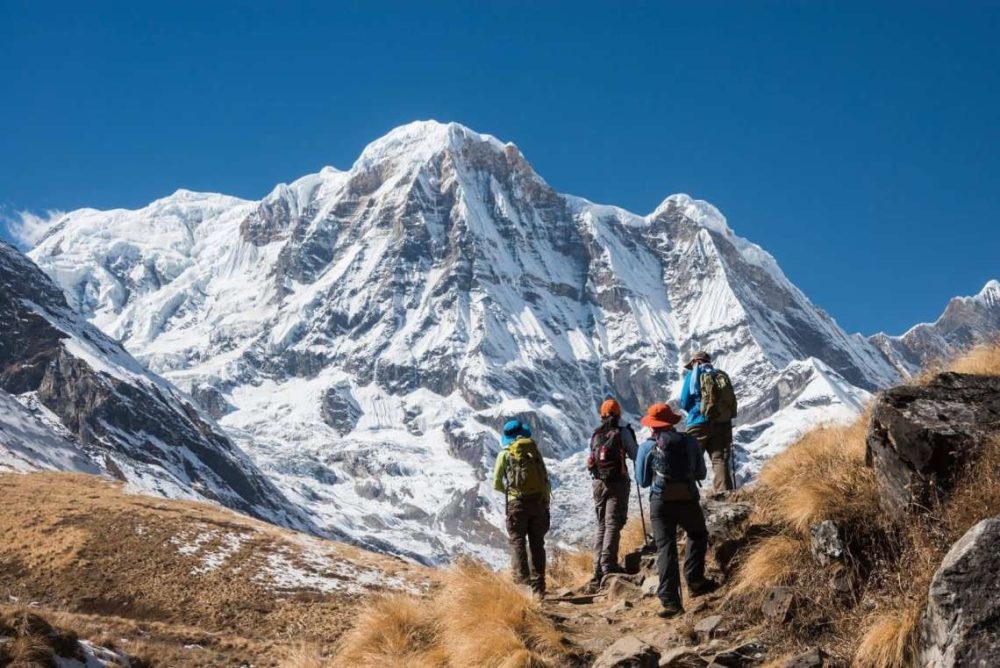
The concentration of Buddhists is in the Chittagong Hill Tracts, in the south eastern part of Bangladesh. Chakmas and Marmas, both Buddhists by faith, comprise the predominant ethnic groups in the CHT. This hilly and forested region is home to a dozen ethnic groups, also called the Jumma people; adding another dimension to the phenomenon of unity in diversity in Bangladesh. The concentration of Christians are mostly among the Garo people living in the Mymensingh district in the northern part of Bangladesh, as well as in Barisal, Khulna and Dhaka city.
The CHT is the least populated region of Bangladesh. But the population in the CHT has also increased rapidly because of migration of Bengalis from the plains. Relations between the ethnic groups in the CHT and the Bengali plainsmen have generally been strained, with the Bengalis controlling the bazaars and the trade in forest products. Under various ruling dispensations in Dhaka, the indigenous people in the CHT have faced repeated attacks from the settlers. Buddhists have naturally faced the brunt of these attacks.
In a statement before the UN Human Rights Council, Special Rapporteur in September 2025 on the rights of indigenous people Stefania Carrer drew attention to “the systematic and long-standing discrimination faced by indigenous Jumma people of the CHT in Bangladesh.” Since the formation of Bangladesh successive governments have tried the forcible assimilation of indigenous communities in the Bengali Muslim identity. The languages, cultures and religious practices of the Jumma people have been suppressed. The use of the term ‘adivasi’ to describe the indigenous people has been prohibited. Under settlement programmes backed by the Bangladesh army, indigenous communities have been displaced, their lands have been seized and they have been denied the right to food of their own choice. Villages and places have been renamed with Bengali-Islamic names.
The Minority Rights Group of Bangladesh, meanwhile, in 2024 expressed concern over attacks on indigenous people in the Rangamati and Kagrachhari districts of CHT; when the Interim Government of Mohammed Yunus was in power. Homes, shops and vehicles of indigenous people were set on fire and a Buddhist temple was vandalized on unverified reports of the death of a Bengali settler in an attack. Four indigenous people of the CHT were reported to have been killed in these attacks, according to the Minority Rights Group.
The forcible occupation of land and property is one of the reasons for persecution of minority religious and ethnic communities in Bangladesh. Hindus, Buddhists, Christians and members of a few other religious faiths, who are often also members of ethnic minority groups, report forced evictions over land ownership disputes; with the government following a discriminatory policy.
In the CHT, hate speeches in social media generate mistrust between Bengalis and the ethnic communities. Attacks by settlers on the indigenous communities are often fuelled by provocative speeches broadcast through loudspeakers in local mosques.
The Bangladesh Hindu Buddhist Christian Unity Council, an umbrella group representing minority communities, has documented more than 2,000 incidents of communal violence in the aftermath of the ouster of former Prime Minister Sheikh Hasina in August 2024. Among them were at least 61 killings, 28 incidents of violence against women, including rape and gang rape, and 95 attacks on places of worship. But such incidents have continued even afterwards. Between January and June this year, according to reports 44 people were killed in 40 separate incidents; besides rapes, kidnappings and vandalism in places of worship.
In his first national address after taking over as Prime Minister of Bangladesh, Tarique Rahman had emphasised on the need for unity across religious, political and ethnic lines and declared that the country “belongs to everyone.” The emphasis on the statement “whether living in the mountains or in the plains, the country belongs to all of us and we want to make this country a safe land for every citizen” is a ray of hope for the beleaguered minorities of Bangladesh, whether religious or ethnic, under the Bangladesh Nationalist Party government.
The landslide victory of the BNP, with 212 seats, in the general elections last February in which the fundamentalist Jamaat-e-Islami was marginalised with 78 seats, has given Tarique Rahman the necessary political strength to fulfil his assurance of protection to all communities, religions and cultures.