Former White House drug policy chief warns synthetic narcotics could become humanity’s defining challenge without coordinated global action…reports Asian Lite News Desk
India and China must work together to confront the growing threat of synthetic drugs and fentanyl trafficking, according to former White House drug policy chief Rahul Gupta, who warned that no nation is immune from what he described as a rapidly escalating global crisis.
Speaking in an exclusive interview with IANS, Gupta said cooperation between the world’s two most populous countries would be critical in tackling a problem that increasingly transcends borders and threatens public health systems across continents.
“No country is immune from the global synthetic threat,” Gupta told IANS. “Every third person walking the earth is either an Indian or a Chinese. So it’s important for those two countries to work together on this particular problem, which may become the defining problem of the future for humanity.”
Gupta, who served as Director of the White House Office of National Drug Control Policy during the Biden administration, said the fentanyl epidemic has evolved into a global challenge requiring coordinated action from governments, law enforcement agencies and healthcare systems.
The United States has experienced significant declines in overdose deaths in recent years, and Gupta attributed that progress to a combination of international cooperation and domestic public health measures.
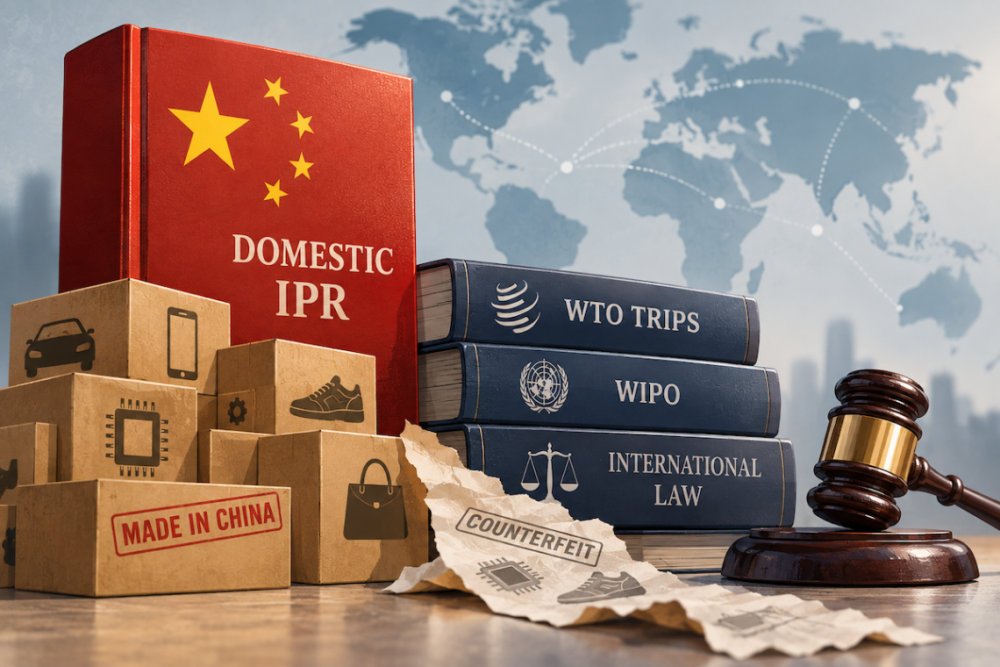
“We know as evidence that the precursors from China that are being shipped to Mexico to make fentanyl and we smuggled up to the United States have significantly dropped since about 2023,” Gupta said.
According to Gupta, a reduction in the movement of precursor chemicals has been accompanied by expanded access to treatment and overdose prevention measures across the United States.
He said wider availability of naloxone, increased treatment capacity and broader use of telehealth services had played a major role in reducing fatalities.
“These things combined have been very significant in saving tens of thousands of American lives for the last two to three years,” he said.
Gupta also welcomed continued engagement between Washington and Beijing on the issue, arguing that fentanyl remains a major priority in relations between the two powers.
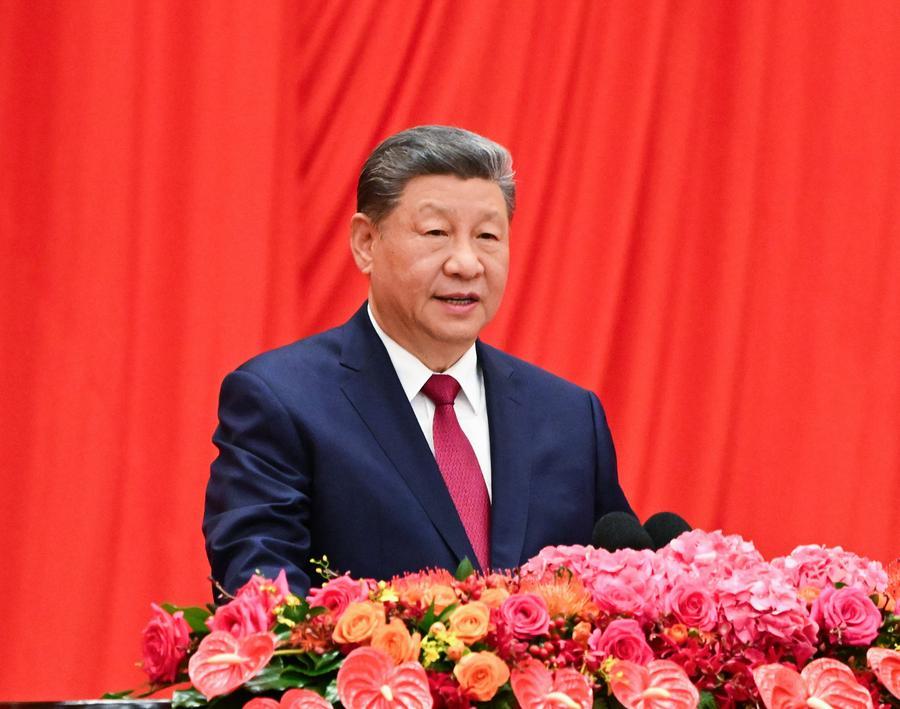
Referring to President Donald Trump’s recent meeting with Chinese President Xi Jinping, Gupta said the discussions demonstrated the continuing importance of the issue for American policymakers.
“It demonstrates that the United States will continue to focus on the issue of fentanyl,” he said. “It is important to continue that pressure on the People’s Republic of China because the relationship is important, but it’s also important as we seek results, and the results are gonna be measured in American lives.”
Despite signs of progress, Gupta cautioned that recent gains may be beginning to slow and warned against complacency.
“What we know from the recent numbers is that the drop in numbers is beginning to flatten. What that means is that the steep declines are no longer steep,” he said.
“So this is even more important than we double and triple down our efforts now to ensure that every American life that can be saved is saved.”
Turning to India, Gupta said authorities have recognised the seriousness of the challenge and demonstrated a willingness to act.
“India has been willing to step up and act as necessary,” he said.
He noted that India’s vast chemical manufacturing sector, while economically important, could also be vulnerable to exploitation by criminal networks involved in illicit drug production and trafficking.
Gupta highlighted Punjab as a region where continued attention would be required. The northern state has long battled drug abuse and addiction issues, prompting repeated government interventions.
“I was recently, this year, in Punjab. I met with the health minister as well as the director of health, who seemed to be very forward-leaning to address this issue and would like to see this expand to save lives,” he said.
He stressed that cooperation between India’s central and state governments would be essential in addressing the problem effectively. Gupta also noted that Prime Minister Narendra Modi has repeatedly raised concerns about drug trafficking and addiction at international forums.
The former White House official said efforts to expand treatment and prevention programmes should continue alongside robust enforcement action against traffickers and criminal organisations.
Synthetic opioids, particularly fentanyl, remain one of the most serious public health threats facing the United States. The drug has been linked to a large proportion of overdose deaths in recent years, prompting successive administrations to pursue a combination of law enforcement measures, treatment initiatives and international cooperation aimed at disrupting supply chains and saving lives.