Trans and LGBTIQ+ collectives call Amendment Bill 2026 regressive, warn of rollback of rights and dignity…reports Asian Lite News Desk
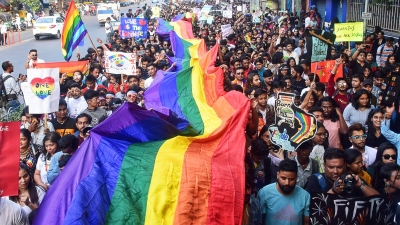
Transgender and LGBTIQ+ groups in Kerala have strongly opposed the proposed Transgender Persons (Protection of Rights) Amendment Bill, 2026, terming it regressive, exclusionary and unconstitutional.
The Joint Action Committee on Transgender and LGBTIQ+ Rights in Keralam, along with several national collectives and community organisations, raised serious concerns over key provisions of the Bill, particularly the removal of the right to self-perceived gender identity. The proposed amendment seeks to transfer this authority to state-appointed medical boards, introducing certification processes that activists describe as invasive and bureaucratic.
According to the groups, such provisions undermine fundamental rights of dignity, autonomy and privacy, which have been upheld by the Supreme Court of India. They also argue that the Bill contradicts international scientific understanding and evidence-based medical practices related to gender identity.
Another major point of contention is the narrowing of the definition of “transgender person”. Activists say the revised definition limits recognition to certain socio-cultural identities, effectively excluding a large section of the community, including trans men, transmasculine persons, non-binary and genderqueer individuals, as well as many trans women.
Community leaders have criticised the lack of adequate research, reliable data and meaningful consultation in drafting the Bill. They noted that even statutory bodies such as the National Council for Transgender Persons were not sufficiently engaged in the process.
The introduction of vague penal provisions has also raised alarm, with concerns that these could be misused against activists, healthcare providers, educators and even families supporting transgender persons.
Kerala, which became the first Indian state to adopt a comprehensive transgender policy in 2015, has implemented several welfare initiatives aimed at improving access to education, employment and healthcare for the community. Activists warn that restricting identity recognition at the national level could undermine access to these benefits and reverse years of progress.
The impact of the proposed amendment is already being felt, with reports of increased anxiety and distress within the community across states. Concerns over mental health, including heightened risks of self-harm, have also been flagged.
In response, the Joint Action Committee has announced plans for a state-level convention in Kerala, bringing together stakeholders to strategise advocacy efforts and explore legal challenges to the Bill.