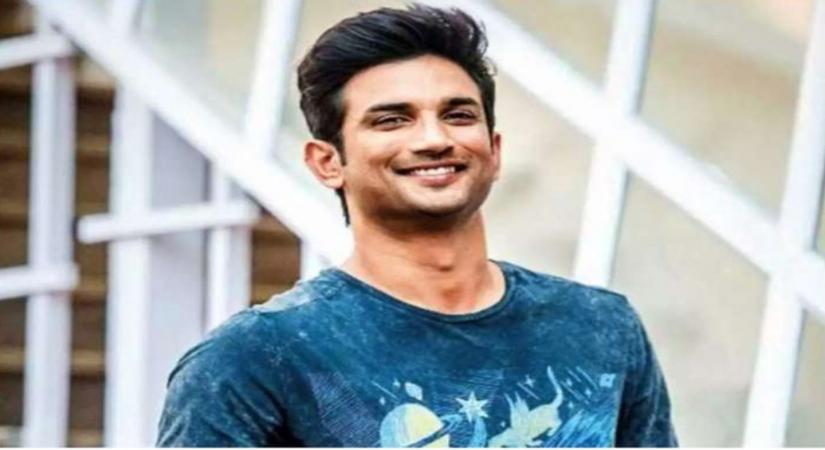
In Kedarnath (2018), Sushant softened further as Mansoor Khan, a humble porter whose love story unfolds against rigid social divides and the devastating 2013 floods. His grounded performance anchored the film’s emotional weight, making loss and sacrifice feel painfully real
Five years after Sushant Singh Rajput’s untimely death, his presence feels anything but distant. On what would have been his 40th birth anniversary, memories of the actor resurface not just through his films, but through the quiet, enduring impact he left on those who loved him and on audiences who continue to find pieces of themselves in his work.
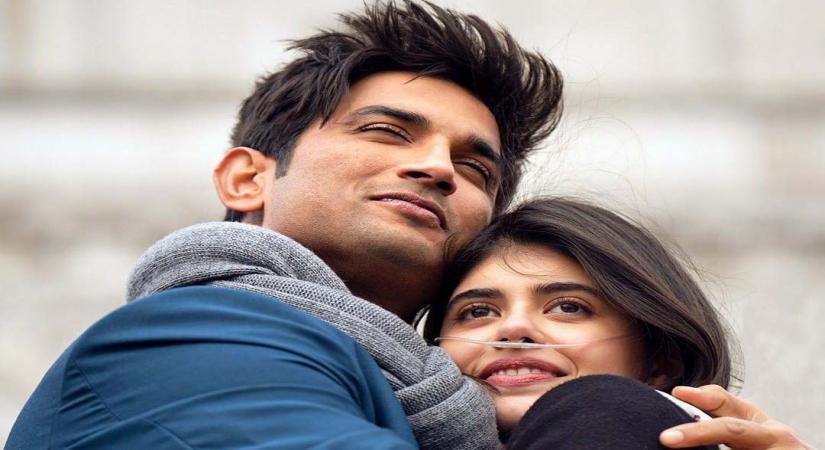
His sister, Shweta Singh Kirti, captured this feeling in a deeply moving tribute, writing that Sushant is no longer someone she “misses” because he has become her heartbeat. Her words echo what many admirers feel — that Sushant exists beyond time, as an energy, an idea, a reminder to live with curiosity and courage. To Shweta, he was not only a brother but a guiding light, a seeker whose essence remains eternal.
Sushant’s journey in cinema mirrored the person he was off screen: inquisitive, restless, and deeply human. He did not have a long Bollywood career, but he filled it with performances that carried honesty and emotional depth. His debut in Kai Po Che! (2013) immediately set him apart. As Ishaan, the passionate dreamer chasing a cricket academy with his friends, Sushant brought raw energy and vulnerability, marking the arrival of an actor unafraid of emotional exposure.
That sensitivity matured beautifully in Detective Byomkesh Bakshy! (2015). Though the film struggled commercially, his portrayal of the sharp, observant detective revealed his ability to internalise a character, letting silence and thought speak louder than dialogue. It was a performance that critics revisited, appreciating its restraint long after the credits rolled.
The defining milestone of his career came with MS Dhoni: The Untold Story (2016). Transforming into one of India’s most iconic cricketers, Sushant immersed himself fully — from Dhoni’s body language to his understated calm. The film cemented his place in mainstream cinema, but more importantly, it showcased his dedication to craft and detail.
In Kedarnath (2018), Sushant softened further as Mansoor Khan, a humble porter whose love story unfolds against rigid social divides and the devastating 2013 floods. His grounded performance anchored the film’s emotional weight, making loss and sacrifice feel painfully real.

Perhaps one of his most emotionally resonant roles came in Chhichhore (2019). Playing Anirudh Pathak, a man confronting failure and guiding his son through despair, Sushant delivered a message that would later feel heartbreakingly prophetic — that failure is not the end, and life is always worth fighting for.
Sushant Singh Rajput was more than an actor. As Shweta described, he was a thinker, a dreamer, someone who looked at the stars and dared to ask questions. Though his life ended too soon, his legacy lives on — in films that still move us, in thoughts that still inspire, and in a light that continues to guide millions.