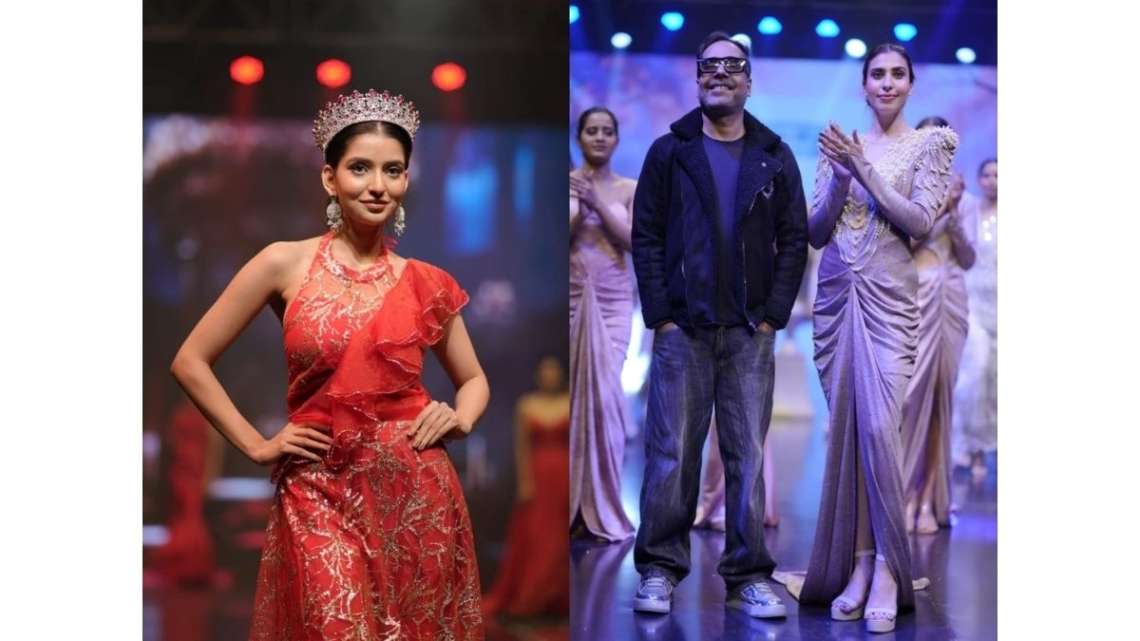
At first glance, Sanvii’s Instagram feed feels familiar—graceful poses, striking outfits and carefully curated aesthetics. But a closer look reveals something quietly revolutionary. Sanvii is not human. She is an AI-powered virtual influencer created by Xhadow Media, and her rapid rise to over 100,000 followers marks a defining moment in India’s evolving digital and influencer landscape.
What makes Sanvii distinctly Indian is her carefully crafted content strategy. Unlike many virtual influencers who lean heavily into Western fashion and globalised aesthetics, Sanvii’s feed celebrates Indian identity. From elaborate ethnic ensembles and festive wear to contemporary silhouettes rooted in Indian sensibilities, her wardrobe reflects a thoughtful blend of tradition and modernity. According to Xhadow Media, this was a deliberate creative decision—to design a virtual personality that feels authentically Indian rather than a generic digital model.

A simple scroll through her profile reveals traditional jewellery, festive colours and settings that could belong to any urban Indian landscape. Described as a “Selenophile”, or moon lover, Sanvii is also given subtle personality traits that make her feel relatable and human. These carefully added details soften the technological edge, helping audiences connect with her as more than just an algorithm.
Behind this polished digital persona lies sophisticated proprietary AI technology. Xhadow Media has developed systems that generate high-quality visuals while maintaining strict visual consistency—one of the biggest technical challenges in virtual influencer creation. Every post is meticulously planned to ensure Sanvii looks like the same individual across different outfits, locations and poses.
The payoff is immense flexibility. Unlike human creators, Sanvii is not limited by time, travel or physical fatigue. A single week can feature multiple photoshoots, varied locations and dozens of outfit changes—all without logistical hurdles. This ability to scale content effortlessly is a major reason brands are increasingly drawn to virtual influencers.
Sanvii’s success also comes at a crucial juncture for India’s digital economy. Influencer marketing in the country is expanding rapidly, driven by social media penetration and a young, aspirational audience. Virtual influencers offer brands complete creative control, instant adaptability and zero reputational unpredictability—advantages that traditional influencer partnerships cannot always guarantee.
What is particularly striking is audience acceptance. Sanvii’s growing follower base suggests that many users no longer require influencers to be human. For younger demographics, engaging visuals, aspirational storytelling and consistent content matter more than the creator’s physical existence. If AI can deliver authenticity in emotion and aesthetics, the technology behind it becomes secondary.
Crossing the 100,000-follower milestone positions Sanvii among India’s fastest-growing AI influencers. While virtual influencers have already gained traction globally, India presents unique opportunities. The country’s cultural depth combined with rapid technological adoption creates space for digital personalities that respect tradition while pushing creative boundaries.
Xhadow Media has not revealed detailed future plans for Sanvii, but the indicators are clear. With a monthly reach exceeding 5 million users and growing brand interest, Sanvii is poised for further expansion. The company’s broader ambitions in AI-driven content creation hint that this virtual influencer may just be the beginning.
For human influencers, Sanvii represents both competition and foresight. She cannot replace lived experience or human emotion, but her success proves there is strong appetite for AI-generated creators in India. As artificial intelligence grows more sophisticated, virtual influencers like Sanvii are likely to become a permanent fixture in the digital ecosystem.
For now, one thing is undeniable: by blending tradition with technology, Sanvii has shown that the future of influence in India has already arrived.