UNESCO has called for the immediate and unconditional restoration of education rights for Afghan girls and women…reports Asian Lite News Desk
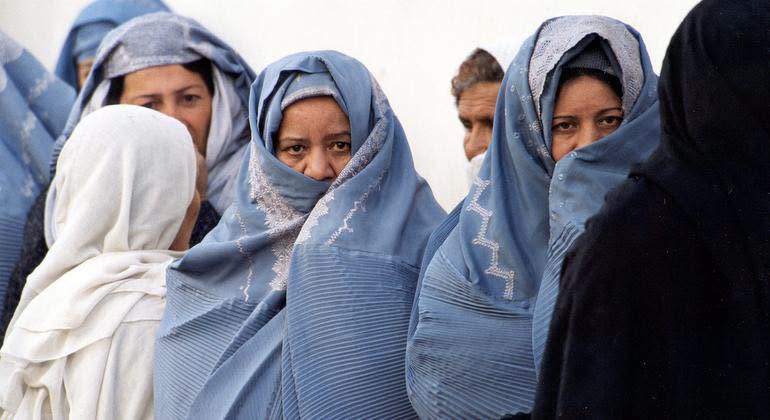
UNESCO has called for the full restoration of the right to education for girls and women in Afghanistan, saying their continued exclusion from learning represents a grave violation of their fundamental rights.
The UN agency said Afghanistan remains the only country in the world to formally prohibit girls and women from accessing education beyond the primary level.
As of 2026, an estimated 2.4 million girls are excluded from secondary education, UNESCO said. The restrictions have reversed years of progress in expanding access to education, with nearly one million girls enrolled in secondary schools by 2021.
UNESCO said the restrictions imposed over the past five years have also severely limited women’s access to employment and public life. Women face restrictions on travel and legal barriers in seeking protection from violence, while the requirement for a male guardian, or mahram, further limits their freedom of movement.
The agency warned that denying education to girls and women could leave Afghanistan facing decades of lost potential, deeper poverty and long-term economic damage.
Nearly half of Afghanistan’s population lives below the poverty line, UNESCO said, adding that restrictions on education and employment prevent women from supporting their families and contributing to the country’s economic development.
The education ban is also affecting the wellbeing and mental and physical health of girls and women and increasing the risk of early marriage, according to UNESCO.
The agency said the decision by Afghanistan’s de facto authorities to prevent female teachers from teaching boys had further worsened teacher shortages and could undermine the quality of education across the country.
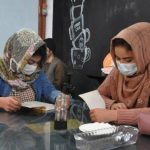
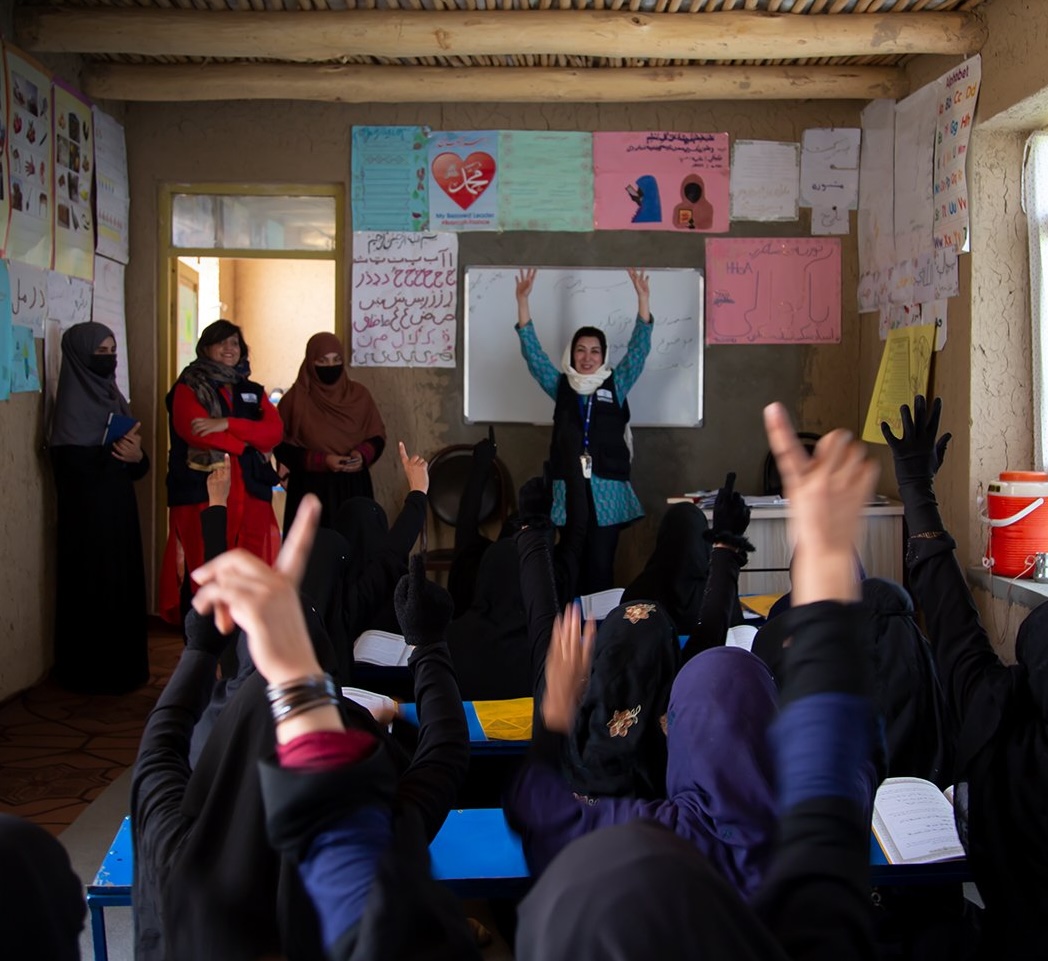
Despite the restrictions, UNESCO said it was continuing to provide alternative learning opportunities through community-based education, literacy and skills development programmes, along with psychosocial support.
While such programmes cannot replace formal schooling, they are helping maintain access to education and provide safe spaces for learners, the agency said.
UNESCO said nearly 70,000 learners have benefited from its programmes so far, with women accounting for 73 per cent of participants. The programmes are supported by partners including the Global Partnership for Education, the European Union and Canada.
The agency also pointed to evidence that literacy and skills development programmes can help improve household incomes and livelihoods.
Beyond economic benefits, UNESCO said education provides women with dignity, confidence and resilience, helping them and their families cope with uncertainty and maintain hope for the future.
“Afghanistan’s girls and women have the right to learn, to work, to move freely, and to shape their own futures — and the world must not look away until their human rights are restored,” UNESCO said.
The agency reiterated its call for the immediate restoration of education rights and said it would continue working with communities and trusted partners to preserve pathways to learning and opportunity for Afghan girls and women.