Limited shipping continues through the Strait of Hormuz despite conflict, with Iranian exports largely intact…reports Asian Lite News
About 90 ships, including oil tankers, have crossed the Strait of Hormuz since the start of the war with Iran, even as the vital waterway has been effectively closed and most commercial traffic halted, according to maritime and trade data.
Many of the vessels that transited the strait were so-called “dark” passages, avoiding Western sanctions and oversight and likely linked to Iran, maritime data firm Lloyd’s List Intelligence said. More recently, ships connected to India and Pakistan have also crossed successfully as governments intensified negotiations with Tehran.
The Strait of Hormuz, which carries roughly one-fifth of the world’s crude oil, has seen most shipping activity stop since early March following the outbreak of conflict. Around 20 vessels have been attacked in the area, contributing to a sharp reduction in traffic from pre-war levels of 100 to 135 daily passages.
Despite the disruption, Iran has continued exporting oil. Trade analytics platform Kpler estimates the country has shipped well above 16 million barrels since the beginning of March, with China remaining the largest buyer due to Western sanctions.
“There has been ”continued resilience” in Iran’s oil export volumes,” said Kpler trade risk analyst Ana Subasic.
Analysts say Tehran has maintained exports while exerting control over the chokepoint. Iran has managed to profit from oil sales and also “preserve its own export artery” by using control over the chokepoint, said Kun Cao, client director at consulting firm Reddal.
Maritime data broadly supports these export estimates. Lloyd’s List Intelligence recorded at least 89 ships crossing the strait between March 1 and 15, including 16 oil tankers. More than one-fifth were believed to be affiliated with Iran, while others were linked to China and Greece.
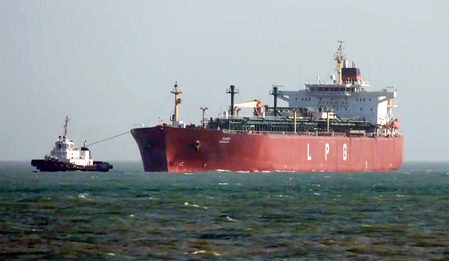
Some non-Iranian vessels have also made the passage. The Pakistan-flagged crude oil tanker Karachi, operated by the Pakistan National Shipping Corporation, crossed the strait, although Pakistani authorities declined to confirm its route. India-linked vessels, including the LPG carriers Shivalik and Nanda Devi owned by the Shipping Corporation of India, also transited the strait around mid-March. LPG is widely used as a primary cooking fuel in India.
India’s foreign minister, Subrahmanyam Jaishankar, told the Financial Times the two vessels’ were able to pass following talks with Iran. Iraq has also been in discussions with Tehran to allow its tankers safe passage, according to its state news agency.
“Vessels may be transiting “with at least some level of diplomatic intervention,” said Richard Meade, editor-in-chief of Lloyd’s List, adding that Iran may have “effectively created a safe corridor” near its coastline.
Some ships have attempted to reduce risk by identifying themselves as linked to China or carrying Chinese crews, reflecting Beijing’s closer ties with Iran, according to earlier analysis from MarineTraffic.
Oil prices have risen more than 40 per cent since the conflict began, exceeding $100 a barrel. US President Donald Trump has pressed allies to deploy naval forces to reopen the strait and ease prices.
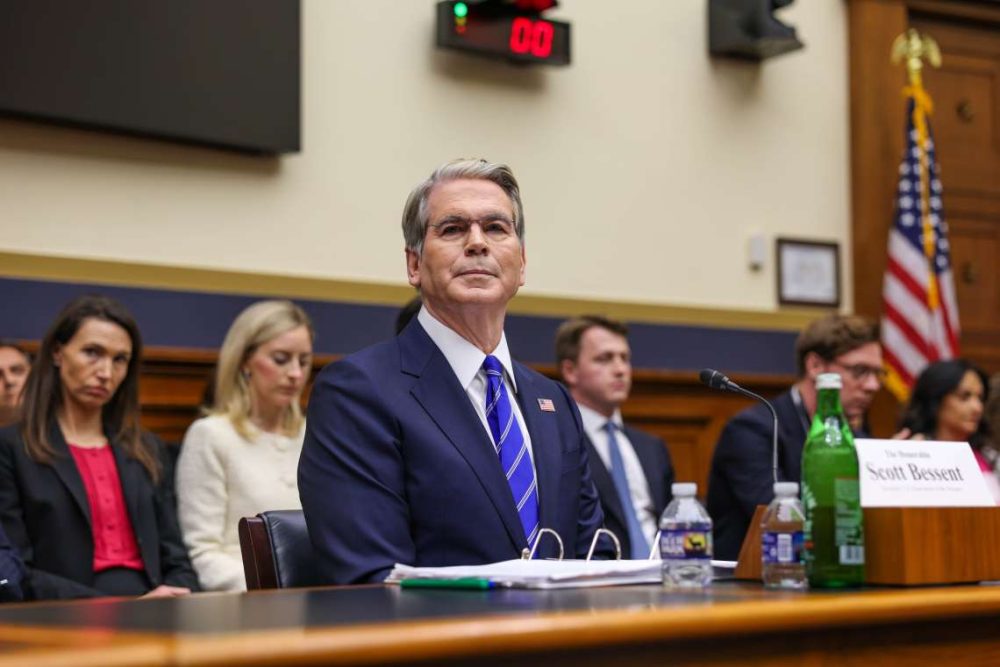
At the same time, Washington has allowed Iranian tankers to continue transiting. “The Iranian ships have been getting out already, and we’ve let that happen to supply the rest of the world,” Treasury Secretary Scott Bessent said. The US has carried out strikes on military sites on Kharg Island, a key hub in Iran’s oil network, although Trump said oil infrastructure had not been targeted.
Analysts say the latest shipping patterns suggest the strait is not fully shut. “It is better understood as closed selectively against some traffic, while still functioning for Iranian exports and a narrow set of tolerated non-Iranian movements,” Cao said. However, the flow of tankers remains constrained. ING strategists Warren Patterson and Ewa Manthey said that if Iran aims to drive up energy prices, “the number of tankers it allows through the Strait of Hormuz may be very limited.”